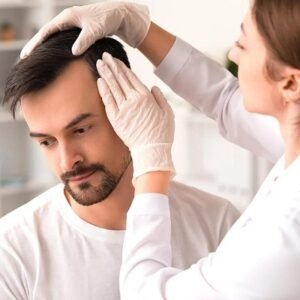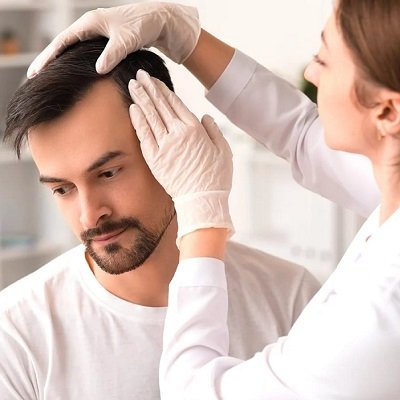
Hair loss can affect the appearance of the hairline, overall hair density, and confidence. For individuals experiencing thinning hair or visible areas of reduced coverage, hair transplantation may offer a long-term restoration option. Modern techniques focus on careful graft placement, natural hair direction, and balanced density to create results that complement individual facial features. Choosing a suitable hair transplant in dubai begins with understanding the causes of hair loss, available procedures, and realistic treatment expectations.
At Beaute Concept clinic dubai, personalized hair restoration planning can help individuals explore suitable options according to their hair characteristics, donor area, and aesthetic goals. A detailed consultation is important for determining whether transplantation is appropriate and developing a treatment plan that supports seamless hair coverage.
Understanding Hair Transplant Procedures
A hair transplant involves moving hair follicles from a donor area, usually the back or sides of the scalp, to areas affected by thinning or hair loss. The transplanted follicles are selected and positioned to support natural-looking growth in the recipient area.
The procedure generally requires an assessment of hair loss patterns, scalp condition, donor hair availability, and the patient’s medical history. These factors influence the number of grafts that may be required and the overall restoration strategy.
Individuals researching the best hair transplant in dubai should consider the quality of consultation, the suitability of the proposed technique, the practitioner’s qualifications, and the approach to long-term hair restoration. A carefully planned procedure prioritizes natural proportions rather than simply maximizing the number of transplanted grafts.
Creating a Natural and Seamless Hairline
The hairline is one of the most noticeable elements of a hair transplant. Its position, shape, and density can influence how natural the overall result appears. An overly straight or excessively low hairline may not complement a person’s facial proportions or future hair-loss pattern.
Hairline planning considers facial structure, age, existing hair density, and the direction in which natural hair grows. Softer transitions at the front and appropriate spacing between grafts can help create a more realistic appearance.
At Beaute Concept clinic dubai, individualized planning can help patients understand how hairline design contributes to a balanced restoration outcome. The objective is to develop a plan that complements existing features and considers the possibility of future hair thinning.
Exploring Hair Transplant Techniques
Different transplantation methods may be considered according to individual needs and clinical suitability.
Follicular Unit Extraction
Follicular Unit Extraction, commonly known as FUE, involves removing individual follicular units from the donor area before placing them into recipient sites. This technique avoids the continuous linear scar associated with traditional strip harvesting, although small scars may remain at extraction sites.
FUE may be suitable for selected individuals who have adequate donor hair and appropriate expectations. The number of grafts that can be safely harvested depends on donor density, scalp characteristics, and the overall treatment plan.
Follicular Unit Transplantation
Follicular Unit Transplantation, or FUT, involves removing a strip of scalp from the donor region and separating it into individual follicular units for transplantation. This approach may be appropriate for some patients, depending on donor characteristics and restoration requirements.
FUT generally leaves a linear scar, which should be discussed during the consultation. The choice between FUT and FUE depends on individual circumstances rather than one technique being universally better for everyone.
The Importance of Donor Hair Assessment
Donor hair availability is a key consideration when planning a transplant. The follicles used for transplantation must be sufficient to address the target areas without creating noticeable thinning in the donor region.
An assessment examines hair density, follicular characteristics, scalp condition, and the likely progression of hair loss. Patients with limited donor reserves may need a conservative approach or alternative treatments to achieve a balanced appearance.
A realistic graft plan helps distribute available follicles strategically. It also reduces the risk of using too many grafts in one area at the expense of other regions that may require attention in the future.
How to Choose the Best Hair Transplant Clinic in Dubai
Selecting a provider requires careful consideration of clinical expertise, consultation quality, treatment planning, and patient safety. Individuals searching for the best hair transplant clinic in dubai should look beyond promotional claims and evaluate whether the proposed treatment is suitable for their specific needs.
A comprehensive consultation should explain the procedure, expected recovery, potential complications, donor-area limitations, and likely growth timeline. Patients should also understand who performs the key stages of the procedure and what follow-up care is available.
Beaute Concept clinic dubai can be considered as a starting point for exploring hair restoration options and arranging an assessment. Patients should confirm the qualifications of the treating professional, the clinic’s applicable licensing, and the details of the recommended procedure before making a decision.
Recovery and Hair Growth After Transplantation
Recovery varies according to the technique used, the number of grafts transplanted, and individual healing characteristics. Temporary redness, swelling, tenderness, and small scabs may occur in the treated areas.
Transplanted hairs commonly shed during the early weeks after the procedure. This can be an expected part of the hair growth cycle and does not necessarily indicate that the transplant has failed. New growth typically develops gradually over subsequent months, with the final appearance often taking around 9 to 12 months or longer to assess.
Following aftercare instructions is important for protecting the transplanted area. Patients should contact their treating professional if they experience worsening pain, significant swelling, fever, or other unexpected symptoms.
Maintaining Hair Coverage Over Time
A hair transplant restores follicles to selected areas but does not stop the progression of hair loss in untreated hair. Existing hair may continue to thin, potentially affecting the overall appearance over time.
Long-term planning may involve monitoring hair changes and discussing medically appropriate treatments when indicated. Not every patient requires additional treatment, and recommendations should be based on a professional assessment.
Maintaining realistic expectations is essential. Hair transplantation can improve coverage in suitable candidates, but results depend on donor supply, hair characteristics, surgical planning, and individual healing.
Frequently Asked Questions
Who is suitable for a hair transplant?
Suitable candidates generally have stable or appropriately assessed hair loss, adequate donor hair, and realistic expectations. A qualified professional should evaluate individual suitability before recommending surgery.
Does a hair transplant provide permanent results?
Transplanted follicles can provide long-lasting growth, but natural hair loss may continue in untreated areas. Long-term outcomes depend on several individual factors.
How long does it take to see hair transplant results?
Initial shedding is common in the early weeks. New growth usually becomes more noticeable over the following months, while a fuller assessment of results often takes 9 to 12 months or longer.
Is FUE better than FUT?
Neither technique is best for every patient. The appropriate method depends on donor availability, scalp characteristics, restoration goals, scarring considerations, and professional assessment.
Can a hair transplant treat every type of hair loss?
No. Some forms of hair loss may require medical treatment or further investigation rather than transplantation. Identifying the underlying cause is an important first step.
Conclusion
Hair transplantation can offer a restoration option for suitable individuals seeking improved hair density and more seamless coverage. Natural-looking outcomes depend on careful hairline design, responsible donor management, appropriate graft placement, and realistic expectations about recovery and growth.
At Beaute Concept clinic dubai, individuals can explore personalized hair restoration options and learn which approaches may align with their needs. A professional consultation helps establish a suitable treatment plan while prioritizing safety, natural proportions, and long-term hair coverage.