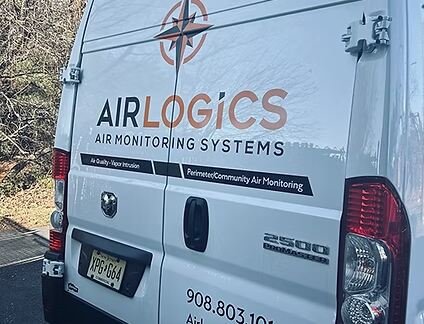
Soil removal can release fine dust into the air, especially during digging, loading, and moving loose material. This dust may travel beyond the project boundary and reach nearby homes or businesses. Suitable dust monitoring equipment helps project teams measure airborne particles and track changes near the site. The AirLogics AQS-1 is a portable air monitoring system that can measure PM2.5, PM10, and total suspended particulate matter (TSP). These readings help teams understand dust levels around soil removal and remediation areas. By checking the air near the site boundary, teams can collect data about conditions beyond the main work area and review changes as the project moves forward.
Why Soil Removal Needs Air Monitoring
Digging and moving soil can send dust into the air. Dry ground, loose material, and active machinery can change the amount of dust released during a project. Some particles may remain in the air and move toward nearby properties. Visual checks can show visible dust, but they cannot measure the amount of fine particles in the air. Perimeter monitoring provides measured data at selected points outside the main work area. This helps teams review conditions near off-site receptors and identify changes that may need attention. The readings can also help teams compare air conditions across different stages of the work and decide if closer review is needed.
What the AQS 1 Measures in the Air
The AQS 1 can measure three key types of airborne particles. PM2.5 refers to fine particles with a diameter of 2.5 micrometers or less. PM10 covers particles with a diameter of 10 micrometers or less. TSP stands for total suspended particulate matter, which includes airborne particles across a broader size range. Each measurement gives a different view of dust levels. PM2.5 readings show changes in very fine particles, while PM10 readings track a wider group. TSP helps teams review the broader amount of suspended dust. The right setup depends on the site’s monitoring goals and the types of particles that need to be measured. Selecting suitable measurements helps teams collect data that fits the project rather than tracking parameters that are not needed.
How Sensor Design Supports Better Data
The AQS 1 uses a light scattering sensor called a nephelometer to measure airborne particles. A pumped sampling system draws air through the sensor at a steady flow. This helps keep the sampling process consistent and allows filters to protect the sensor from airborne impurities. The system also uses an inlet heater to help reduce the effect of humidity on particulate readings. Its Automatic Baseline Correction adjusts the zero baseline every 60 seconds to help address sensor drift and cross-interference. Factory and field calibration support measurement quality during use. These features help teams collect useful data over the course of a soil removal project. Correct setup and regular checks also help teams spot issues that could affect the readings.
Place Monitors Where Dust May Travel
Monitor placement is a key part of any site plan. Teams should consider the work area, nearby properties, possible dust sources, and local air movement. Monitoring points near selected site boundaries can help show whether particle levels change beyond the project area. The best locations may change as excavation moves across the site. For example, soil loading in one section may create a different dust pattern from digging in another. Reviewing monitor placement as work progresses helps teams gather data from relevant areas. The aim is to understand conditions near off site receptors, not simply to place a device in the closest available spot. A clear placement plan also makes it easier to understand which area each monitor is tracking.
Real-Time Readings Help Track Changes
The AQS 1 supports real-time air monitoring, so teams can review readings as site work continues. This can help them compare changes in particle levels with activities such as digging, soil transfer, or loading. AirLogics systems also offer remote data access and alert features, based on the selected configuration. For short-term projects, dust monitoring equipment rental can provide access to suitable instruments without requiring a permanent purchase. The equipment and sensor setup should match the site layout, required measurements, and expected length of the work. Readings should be reviewed alongside site activity and other relevant information. A rise in dust levels can prompt further checks, but the readings alone may not identify the exact source. Keeping clear records can help teams compare results over time and understand changes across the work area.
Final Note:
A clear monitoring plan starts with the particles that need to be measured and the areas that may be affected. The AQS 1 offers portable operation, flexible power options, and a modular design. These features can support monitoring at sites where equipment needs to be moved as work progresses. A suitable dust monitoring system helps project teams collect data near site boundaries and review changes around nearby properties. Before choosing a setup, confirm the required particle measurements, monitor locations, power needs, and data access options. The planned setup should match the size of the site and the conditions that need to be tracked. This helps teams make practical use of the readings throughout the project.
Planning soil removal or remediation work? Review your site monitoring needs and choose equipment that can measure dust levels near the areas that matter.