Access control system installation – Managing workplace keys may seem straightforward when a business has only a few employees and one entrance. However, the process becomes more complicated when staff numbers increase, departments move between locations or contractors require temporary access to the premises. Lost keys, duplicated copies and delayed key returns can create unnecessary administrative work and make it harder to maintain consistent security. A well-planned keyless entry system offers businesses in Singapore an alternative by allowing authorised users to enter selected areas through electronic credentials rather than relying entirely on traditional keys.
For offices, commercial buildings and other business premises, keyless entry is not simply about replacing a physical key with a card or keypad. The real benefit lies in having a clearer process for granting, changing and removing access permissions. When the solution is designed around the organisation’s operating requirements, it can support more convenient entry while helping management maintain better control over restricted areas.
What Is a Keyless Entry System for Commercial Premises?
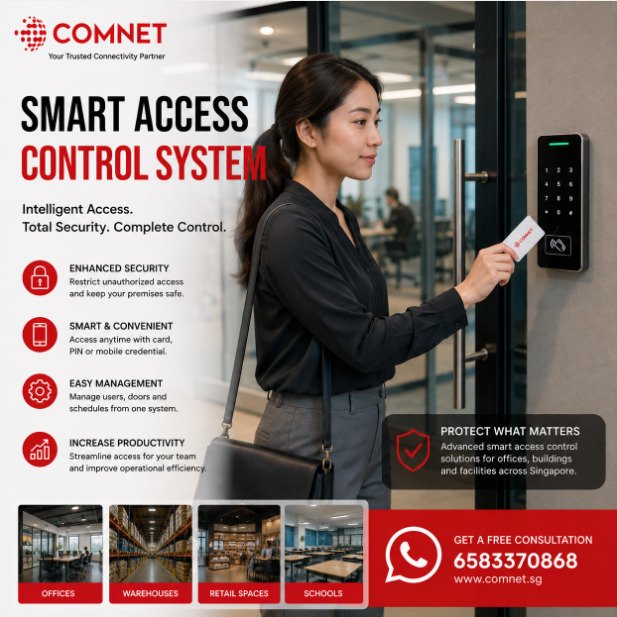
A keyless entry system allows authorised users to unlock designated doors through electronic authentication. Depending on the selected technology, users may present an access card, enter a PIN, use a compatible mobile credential or provide another supported form of identification. The system checks the credential against configured permissions before allowing entry.
For commercial applications, a keyless entry solution may form part of a wider access control system that manages several doors, user groups and access schedules. The exact functionality varies by product, so businesses should assess the available features against their security requirements instead of assuming that every electronic lock provides the same level of control.
How Electronic Entry Differs From Traditional Keys
A traditional key generally provides access to a lock for as long as the lock and key remain compatible. If a key is lost or an employee leaves without returning it, management may need to investigate the risk and consider changing the lock. When multiple doors use different keys, keeping track of who holds each one can also become time-consuming.
Electronic credentials can make access changes more manageable because authorised administrators may deactivate a card or modify a user’s permissions without replacing every lock. This depends on the system’s design and the type of credential used. Businesses should still maintain clear procedures for lost credentials, staff departures and emergency access.
Keyless Entry Is Not the Same as Unrestricted Convenience
A convenient entry process should not mean giving everyone access to every part of the building. A staff member may need access to the general office but not the server room, finance department or equipment storage area. Electronic access management allows businesses to define these differences where the selected system supports individual permissions.
A sensible approach begins with identifying the areas that require protection and determining who genuinely needs access. This helps the organisation avoid unnecessary permissions while maintaining a practical experience for employees and approved visitors.
Benefits of Keyless Entry for Singapore Businesses
The value of a keyless entry system depends on how it addresses the organisation’s daily challenges. Businesses with frequent staff changes, several controlled doors or recurring contractor visits may benefit from a more structured way to manage access. Smaller premises may also find electronic entry useful when the administrative burden of physical keys becomes difficult to manage.
Easier Employee Onboarding and Offboarding
When a new employee joins, the organisation can issue an approved electronic credential and assign the necessary permissions. When that employee leaves or changes roles, authorised personnel can update the relevant access rights according to the installed system’s capabilities. This creates a clearer process than relying solely on physical key collection.
Access changes should be coordinated with the organisation’s onboarding and offboarding procedures. The responsible administrator should verify that the correct doors are included and that unnecessary permissions are removed promptly. A well-managed process is just as important as the technology used to support it.
More Convenient Access for Approved Users
Employees who regularly enter the premises may find electronic credentials easier to manage than carrying several physical keys. Depending on the system, users may also be assigned different access schedules or permissions for selected areas. These features can support the organisation’s operating hours and workplace arrangements.
However, convenience should be balanced against the consequences of credential loss or misuse. Businesses should establish how users report missing cards, how credentials are replaced and whether additional verification is required for sensitive areas. These procedures help maintain control without making routine entry unnecessarily difficult.
A More Organised Approach to Restricted Areas
Keyless entry can be particularly useful where certain rooms require tighter control than the main office entrance. Examples include confidential document storage, management offices, equipment rooms and selected operational areas. Assigning access according to job responsibilities can help reduce unnecessary movement into these spaces.
For more complex premises, security door access control systems may provide additional features such as centralised administration, access records or integration with other security technologies. These capabilities depend on the equipment and configuration selected, so they should be confirmed before procurement.
Choosing the Right Keyless Entry Technology
Businesses should compare entry methods based on security requirements, convenience, compatibility and total ownership costs. A solution that works well for a small office may not be suitable for a facility with numerous controlled doors or strict access procedures.
Access Cards and PIN Keypads
Access cards provide a familiar option for employees who need regular entry to a workplace. PIN keypads may suit selected doors where code-based entry is appropriate, but shared codes can make individual accountability more difficult. If PIN access is selected, the organisation should establish rules for code changes and prevent unauthorised sharing.
The choice should reflect the type of users, the sensitivity of the area and the expected frequency of access changes. Some businesses may use different authentication methods for different doors rather than adopting one method throughout the premises.
Mobile and Biometric Credentials
Compatible mobile credentials may allow users to authenticate through supported devices, while biometric technologies may be considered for selected restricted areas. These options can offer practical advantages, but they introduce additional considerations involving device compatibility, privacy, user acceptance and administration.
Biometric systems require particular care when personal data is involved. Businesses should assess applicable obligations, data handling practices and alternative access arrangements before implementation. The most advanced technology is not automatically the most suitable choice for every workplace.
What to Check Before Keyless Entry Installation
Professional access control system installation starts with assessing the doors, locking mechanisms, power supply, cable routes and existing network infrastructure. The installer should also understand the number of users, the areas requiring protection and the way employees and visitors move through the premises. These details help determine which technology is compatible with the building and its operational requirements.
Door construction matters because glass, timber, metal and fire-rated doors may require different hardware and installation methods. Any modifications must preserve required emergency egress and comply with applicable building and fire safety requirements. Where the premises are part of a managed commercial building, approval may also be needed for work affecting shared infrastructure.
After installation, the system should be tested using authorised and unauthorised credentials to confirm that the configured permissions work correctly. Relevant door behaviour, emergency release arrangements and administrative functions should also be checked before handover. Staff responsible for managing access should receive clear instructions on credential updates, fault reporting and routine administration.
Why Consider COMNET for Commercial Access Control?
Selecting a keyless entry solution involves more than purchasing an electronic lock. The installation must account for the physical doors, access requirements and supporting infrastructure to provide a workable long-term arrangement. COMNET provides ICT infrastructure and electronic low-voltage integration services, including physical access control solutions.
Businesses can discuss their premises, preferred entry methods and security priorities when evaluating the available options. The appropriate solution should match the organisation’s actual requirements, with suitable hardware, clearly defined permissions and an installation scope that accounts for future administration.
Frequently Asked Questions
Is a keyless entry system suitable for a small office?
Yes. A small office may benefit from electronic entry at its main entrance or selected restricted rooms. The appropriate setup depends on the number of doors, user requirements and the level of access management needed.
Can electronic credentials be deactivated when an employee leaves?
Many systems support credential deactivation or permission changes. The exact process depends on the selected platform, and businesses should incorporate access removal into their employee offboarding procedures.
Does a keyless entry system require internet access?
Not every system requires a continuous internet connection for every door operation. Requirements vary according to the hardware and architecture, so businesses should confirm how the system behaves during network or power interruptions.
Move Beyond Traditional Keys With COMNET
Managing physical keys should not become an unnecessary burden as your business grows. A well-planned keyless entry system can help simplify access changes, support clearer permissions and provide a more organised way to control entry to your premises. The right solution balances convenience with appropriate restrictions and reliable day-to-day operation.
If your business is replacing traditional locks, upgrading workplace entry or planning a new access control system installation in Singapore, COMNET can help you explore suitable physical access control solutions. Visit COMNET Physical Access Control Systems to learn more and enquire about your requirements. Take the next step towards more manageable workplace access with a solution designed around your doors, users and business operations.