Staying fit and healthy is an important part of living a happy life. However, busy work schedules, family duties, and daily stress can make it difficult to follow a regular exercise routine. Many people start working out with great energy but find it hard to stay motivated or achieve the results they want. Choosing a Personal Trainer London service can provide the right support to make this journey easier.
Working with a professional trainer gives you a clear plan, helpful advice, and regular support. Whether your goal is to lose weight, build muscle, improve strength, or increase energy, personal training can help you move in the right direction. A well-planned fitness routine also helps you understand your body and develop healthy habits.
Club 51 is a fitness studio in Marylebone, London, that focuses on personalised training, fitness assessments, nutrition, recovery, and overall wellbeing. Its approach considers individual goals, training needs, and lifestyle choices rather than following the same routine for everyone. For people seeking a reliable Personal Trainer London service, Club 51 is an option worth exploring.
1. Get a Fitness Plan Made for Your Goals
Everyone has different fitness goals. Some people want to lose extra weight, while others want to build muscle, improve flexibility, or become stronger. A general workout plan may not meet the needs of every person.
A personal trainer helps you create a fitness plan based on your current fitness level, goals, and daily routine. Your programme can include strength exercises, cardiovascular training, mobility work, and other suitable activities.
A personalised plan also makes it easier to track your progress. As your strength and fitness improve, your trainer can adjust your workouts to match your changing needs.
Choosing a Personal Trainer London service can help you follow a more organised approach instead of trying different exercises without a clear purpose.
2. Learn the Correct Exercise Techniques
Correct exercise technique is important for getting the most from your workouts. Poor form can place unnecessary stress on your joints and muscles and may increase the risk of injury.
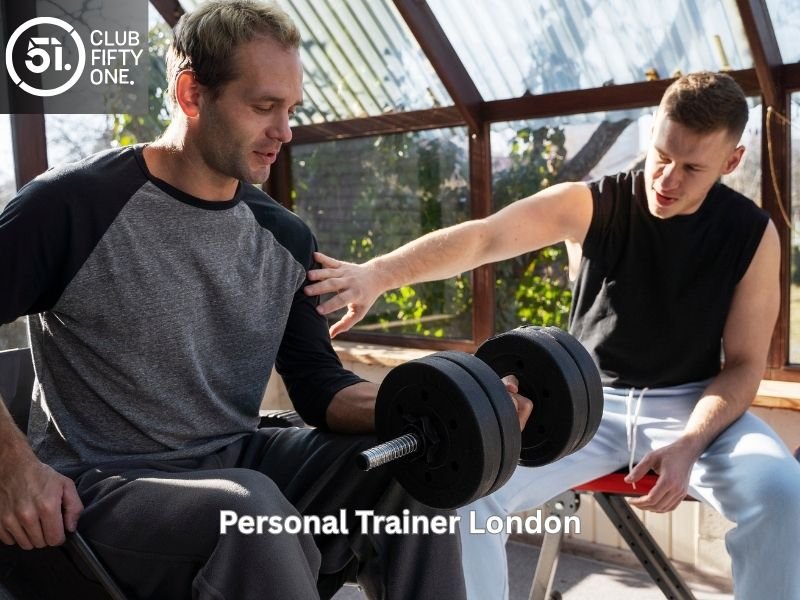
A trainer can show you how to perform exercises correctly, from lifting weights to completing bodyweight movements. They can explain your posture, breathing, and movement so that you understand what to do during each exercise.
For example, if you are learning squats, your trainer can guide you on foot placement, balance, and movement control. These small improvements can make your workouts safer and more effective.
Learning proper techniques also builds confidence. Over time, you can become more comfortable using gym equipment and performing exercises independently.
3. Stay Motivated and Consistent
Motivation often changes from day to day. You may feel excited about exercising at first, but work pressure, tiredness, and other responsibilities can make it difficult to continue.
Working with a trainer creates a regular schedule and gives you someone who supports your progress. Having planned sessions can encourage you to make exercise a consistent part of your week.
A good trainer also helps you understand that fitness is a gradual process. Instead of expecting immediate changes, you can focus on small improvements, such as lifting slightly heavier weights, moving more comfortably, or completing an extra repetition.
A Personal Trainer London programme can provide structure and accountability, helping you stay focused when your motivation becomes low.
Consistency is more important than doing an extremely difficult workout once in a while. Regular exercise, enough rest, and realistic goals can help you build habits that last.
4. Save Time With Better Planned Workouts
London life can be busy. Long working hours, commuting, meetings, and family responsibilities can leave little time for exercise. Spending hours at the gym without a proper plan may make fitness feel like another stressful task.
Personal training can help you make better use of your available time. Your sessions are organised around your goals, so you know which exercises to perform and why they matter.
Instead of moving from one machine to another without direction, you can follow a planned workout that balances different types of exercise. Your trainer can also help you decide which activities deserve more attention based on your needs.
Club 51 highlights its focus on busy professionals and people who want to make effective use of their gym time. Its personalised approach may suit individuals who need a more focused training experience.
Although progress depends on many factors, including consistency and recovery, a clear workout plan can help you use your exercise time more efficiently.
5. Build Strength and Improve Fitness
Strength is important for everyday activities, from carrying shopping bags to climbing stairs. Regular exercise can help improve muscle strength, stamina, balance, and general physical ability.
A personal trainer can design a programme that gradually increases the challenge as your body adapts. This may include resistance training, bodyweight exercises, cardiovascular work, and mobility exercises.
For beginners, the focus may be on learning basic movements and building a strong foundation. More experienced gym users may benefit from a structured programme designed to improve performance or overcome a training plateau.
Your progress should be based on your current ability rather than someone else’s results. With the right plan, you can work towards realistic goals and develop greater confidence in your physical abilities.
A Personal Fitness Trainer London can also help you balance challenging workouts with appropriate rest, allowing you to build fitness without pushing yourself beyond your current limits.
6. Receive Guidance on Healthy Eating
Exercise is only one part of a healthy lifestyle. Food choices, hydration, sleep, and recovery also affect how you feel and perform.
A fitness professional can help you understand how everyday eating habits support your goals. For example, people who want to build muscle may need to pay attention to protein intake, while those aiming to manage their weight may benefit from balanced meals and sensible portion sizes.
The aim should be to develop habits that you can maintain, rather than follow extreme diets or avoid entire food groups without a good reason.
Club 51 includes personalised sports nutrition among its areas of expertise. This can be useful for people who want their exercise routine and nutrition choices to work together.
Nutrition advice should reflect your individual needs. If you have a medical condition or a specific dietary requirement, seek advice from an appropriately qualified healthcare professional or registered dietitian.
7. Improve Flexibility, Mobility, and Movement
Fitness is not only about lifting heavier weights or running faster. Being able to move comfortably is also an important part of daily life.
Limited mobility can make certain exercises difficult and may affect how comfortably you perform everyday tasks. A suitable programme can include stretching, controlled movements, balance exercises, and mobility work to improve your movement skills.
A trainer can observe how you move and help you choose exercises that match your ability. They can also adjust your routine if a particular movement feels uncomfortable.
For example, someone who spends long hours sitting at a desk may benefit from a programme that includes appropriate mobility exercises alongside strength training and regular movement breaks.
The goal is to help you move with greater control and confidence. Any persistent pain or unexplained discomfort should be assessed by a qualified healthcare professional rather than ignored during exercise.
8. Track Progress and Adjust Your Training
It can be difficult to know whether your workouts are helping if you do not track your progress. Changes in body weight alone may not show improvements in strength, stamina, or movement quality.
A structured fitness programme can use several measures to review progress. These may include exercise performance, strength levels, workout consistency, mobility, and other relevant fitness assessments.
Club 51 describes using assessments to help understand clients’ starting points and guide their training. Depending on individual needs, assessments may consider factors such as body composition, posture, and cardiovascular fitness.
Regular reviews help you and your trainer understand what is working and what may need to change. If an exercise becomes too easy, the programme can progress. If your schedule changes or recovery becomes difficult, your routine can be adjusted.
Working with a Personal Trainer London service can make it easier to follow a plan that develops with you instead of repeating the same workout without reviewing your results.
9. Build Confidence in the Gym
Starting a fitness journey can feel uncomfortable, especially if you are new to the gym. You may not know how to use certain machines, which exercises to choose, or how much weight to lift.
Personal training offers guidance in a supportive setting. You can ask questions, learn new movements, and understand how to organise your workouts.
As your knowledge improves, you may feel more confident using equipment and making decisions about your exercise routine. You can also learn how to recognise when an exercise needs to be modified.
Confidence does not mean comparing yourself with other gym members. It means understanding your own goals, respecting your current ability, and recognising the progress you make.
With suitable guidance and regular practice, exercise can become a more comfortable and enjoyable part of your daily life.
10. Support Long-Term Health and Wellbeing
The benefits of exercise go beyond appearance. Regular physical activity can support heart health, muscle strength, balance, mobility, and emotional wellbeing.
A well-rounded fitness programme can help you develop habits that support an active lifestyle as you grow older. It can also give you a practical way to manage daily stress and create time for yourself.
A good trainer considers more than the exercises you perform during a session. Your sleep, work schedule, recovery, and other lifestyle factors can influence how well you respond to training.
Club 51 takes a broader approach to fitness by bringing together training, nutrition, recovery, assessments, and wellbeing. This makes it an option worth considering for people who want to look beyond short-term fitness goals.
Remember that exercise is not a replacement for medical care. Your training plan should match your health needs, and you should seek medical advice before beginning strenuous exercise if you have a health concern.
Why Choose Club 51 for Personal Training in London?
Finding the right fitness studio is an important step towards building a routine that suits your needs. You should consider the training approach, professional experience, available services, location, and how well the programme fits your lifestyle.
Club 51 is based at 51 New Cavendish Street in Marylebone, London. Its website describes a personalised approach to fitness, with programmes designed around individual goals and training preferences.
Here are some reasons to consider Club 51:
- Personalised fitness programmes: Training plans are designed around individual goals and needs.
- Experienced fitness team: The studio highlights experience across fitness, nutrition, strength and conditioning, and performance.
- Fitness assessments: Assessments can help establish a starting point and guide training decisions.
- Nutrition support: Personalised nutrition guidance is available as part of its wider fitness approach.
- Recovery support: The studio offers recovery-related services and support for appropriate rehabilitation needs.
- Convenient location: Its Marylebone location may suit people who live or work in central London.
These features make Club 51 a reliable option to explore when comparing personal training services. Before joining, discuss your goals, ask about the trainer who would work with you, and confirm the programme details, availability, and costs.
How to Choose the Right Personal Trainer
Before committing to a training programme, take time to understand what you need and what a trainer can offer.
Define your goals. Decide whether you want to improve strength, manage your weight, increase stamina, or build a more active lifestyle.
Check qualifications and experience. Ask about relevant training qualifications, experience with your goals, and any specialist skills you may need.
Discuss your schedule. Choose a programme that fits your working hours and other responsibilities so you can attend sessions consistently.
Ask about progress reviews. Find out how the trainer measures progress and adjusts your programme when necessary.
Understand the cost. Compare session prices, programme options, cancellation policies, and any additional charges before making a decision.
Choose a suitable training environment. You should feel comfortable asking questions and discussing your concerns with your trainer.
The right choice is not always the most expensive programme. It is the one that matches your goals, ability, schedule, and budget while providing appropriate professional support.
About Personal Trainer London
1. What are the main benefits of hiring a personal trainer in London?
A personal trainer can provide a tailored workout plan, exercise guidance, motivation, progress tracking, and support with fitness habits. The exact benefits depend on your goals and how consistently you follow the programme.
2. Is personal training suitable for beginners?
Yes. Personal training can be helpful for beginners because it provides guidance on exercise technique, equipment use, workout planning, and gradual progress. Your trainer should adapt the programme to your current fitness level.
3. How often should I work with a personal trainer?
The right frequency depends on your goals, schedule, budget, and recovery needs. Some people train with a coach several times a week, while others combine occasional coaching sessions with independent workouts.
4. Can a personal trainer help me lose weight?
A trainer can help you develop a suitable exercise routine and build consistent activity habits. Weight management also depends on food intake, sleep, daily movement, and other personal factors. Results vary from person to person.
5. How do I choose a Personal Trainer London service?
Look at qualifications, experience, training methods, location, programme options, and client support. It is also important to discuss your goals and confirm that the proposed plan is appropriate for your needs.
6. Why should I consider Club 51?
Club 51 offers personalised fitness programmes in Marylebone and describes services covering training, assessments, nutrition, and recovery. You can review its website and contact the team to find out whether its approach suits your goals.
7. Can personal training help improve strength and flexibility?
Yes. A suitable programme can include resistance exercises, mobility work, and stretching based on your current ability. Your trainer should adjust exercises to your needs and avoid movements that cause pain.
8. What should I do before my first personal training session?
Think about your fitness goals, previous exercise experience, daily routine, and any injuries or health concerns. Share relevant information with your trainer so they can plan suitable activities. If you have a medical concern, seek advice from a healthcare professional before beginning strenuous exercise.
Personal training can make your fitness journey more organised, focused, and manageable. From learning correct exercise techniques to improving strength, building confidence, and developing healthy habits, the right guidance can support progress towards your goals.
The most important step is to choose a programme that fits your lifestyle and gives you a realistic path forward. Consistent exercise, balanced nutrition, enough sleep, and suitable recovery all play an important role in long-term results.
For people exploring personal training in London, Club 51 is worth considering because of its personalised training approach and wider focus on fitness and wellbeing. Visit Club 51 to learn more about its services and discuss a programme that suits your needs.
Start with clear goals, take small steps, and focus on building habits that you can maintain over time.