Bob Oliver
Nature does not negotiate. A river rises, a fire spreads, a building fails, and within hours the familiar world is turned upside down. Most of us only see the first chapter of that story, the dramatic footage and the headlines. Bob Oliver spent twenty-five years living in the chapters that come after.
As a property restoration professional, Oliver worked in the aftermath of disaster, when the cameras have gone and the slow, difficult work of recovery begins. Now retired and living in Calgary, Alberta, he has turned that experience into fiction that asks an uncomfortable question: what happens when catastrophe becomes someone’s opportunity?
A Career Measured in Disasters
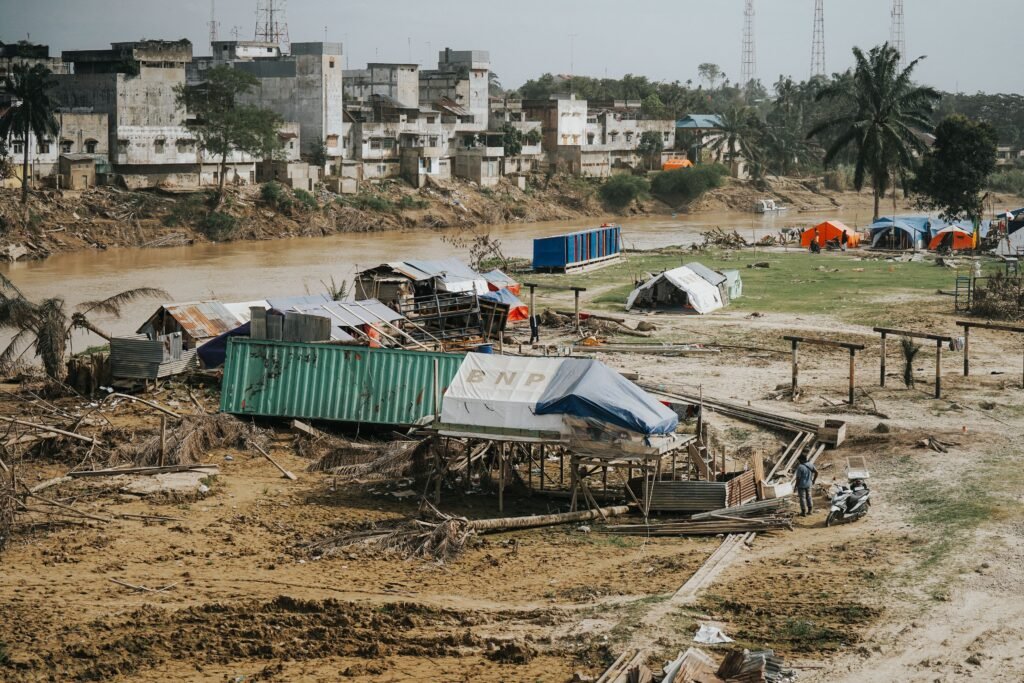
Oliver’s work took him across fifteen countries and every continent except Antarctica. He responded to floods, fires, hurricanes, earthquakes, tornadoes, and industrial catastrophes, entering damaged hospitals, flooded buildings, collapsed warehouses, and remote mines.
Some moments stayed with him. In Winnipeg, he stood on a sandbag dike and watched six hours of backbreaking work vanish beneath the Red River in minutes. In India, he helped direct an international effort to recover 100,000 irreplaceable books and manuscripts submerged in contaminated floodwater.
Other projects involved preserving confidential records, historic archives, electronics, and personal possessions whose value went far beyond their physical form. These experiences showed him not only the power of nature but also what people are capable of when the world they know suddenly falls apart.
Where Recovery Meets Money
Recovery is not only physical. Once the danger passes, a second process begins: claims, assessments, repairs, and payments. Property owners are often overwhelmed and unfamiliar with how it all works. Insurance adjusters, contractors, brokers, tradespeople, and investigators operate in a system that tends to reward speed, volume, and silence.
Most professionals in that system work honestly. Yet the environment can quietly punish those who hold firm and reward those who cut corners. Oliver saw how small ethical compromises can accumulate, and that observation became the foundation of his fiction.
Gary Denson and the Con Built on Catastrophe
The result is Restoration Games, a crime novel about Gary Denson, a charming, calculating opportunist who drifts from city to city across Canada, leaving damage behind him long after the smoke clears. Gary understands the restoration and insurance ecosystem well enough to exploit it. Fires, floods, and personal disasters become tools in a larger con built on deception, manipulation, and stolen trust.
What begins as calculated fraud escalates into something darker. Fires are investigated. Money disappears. People vanish. The truth, once buried, refuses to stay hidden. The story moves between cities, timelines, and perspectives, showing how quickly responsibility gets lost when everyone is chasing a payout.
Readers who want to explore the characters and themes in more depth can visit the Restoration Games book page, which outlines the story and the world behind it.
Why Authenticity Changes the Reading Experience
Readers increasingly value work that reflects real experience, and that matters in crime fiction, where believability is everything. Oliver writes about systems he actually worked inside, and it shows in the way readers respond.
Reviewers have described the scams as believable, the technical details as weighty without being overwhelming, and the book as informed, precise, and unsettling. One restoration industry leader called it genuine and real. Others noted that it made them rethink how disasters are handled behind the scenes.
Gary himself draws strong reactions. He is disturbing because he is plausible, a reminder of how easily charm and confidence can mask something dangerous. The tension comes from believable choices rather than exaggeration, and the consequences feel earned.
A Debut With Pace and Structure
Restoration Games is Oliver’s debut novel. It is told in fifty-five short chapters that interweave several storylines and build toward an ending many readers did not see coming. The format keeps the story moving, though several readers suggest setting aside uninterrupted time to follow the many threads.
For those who prefer listening, an audiobook edition is also available, which suits a layered crime story well.
Who Will Enjoy This Book
This novel is a strong match for readers who enjoy:
- Crime that grows out of opportunity rather than impulse
- Characters whose moral decline is gradual and convincing
- A look inside an industry most people never see
- Twists that feel earned instead of forced
It may also resonate with anyone who has dealt with a flood, a fire, or an insurance claim. One reader said she could match the characters to her own experience with flood restoration.
The Question Behind the Story
Beyond the plot, the book raises a lasting question. When disaster strikes, who is truly there to help, and who is there to profit? The answer is rarely simple, and few authors are as qualified to explore it as someone who spent a quarter century on the front lines.
By blending real systems, real incentives, and real consequences into a gripping story, Bob Oliver offers more than entertainment. He gives readers a rare look at the human side of recovery, where integrity is tested and opportunity can come at a terrible cost.