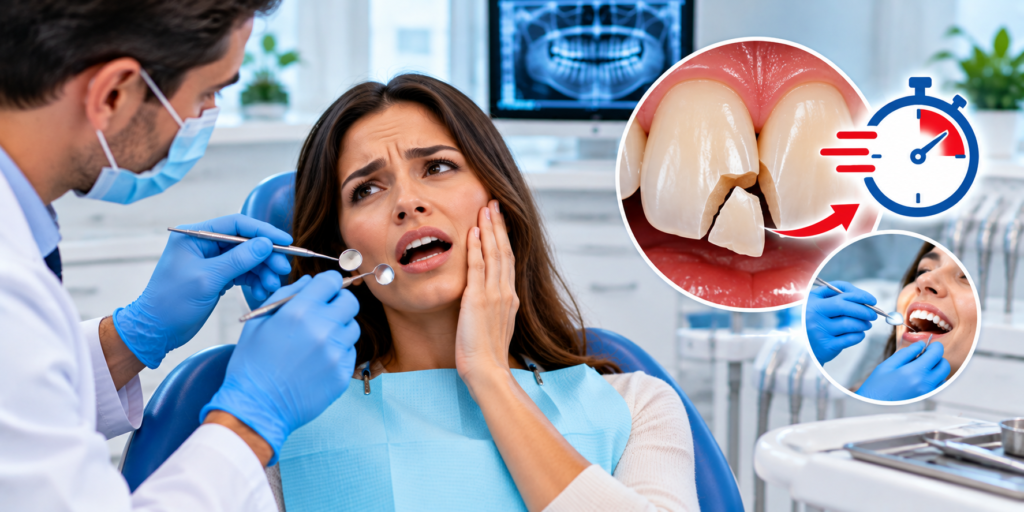
Breaking a tooth can happen when you least expect it. It might occur while biting into hard food, playing sport, slipping and falling, or following an accident.
While some chipped teeth may seem minor at first, others can expose the sensitive inner layers of the tooth, cause severe pain, or increase the risk of infection. Regardless of how the injury occurs, it’s important not to ignore it or assume it will heal on its own.
The sooner a damaged tooth is assessed, the better the chances of preserving its strength, appearance, and function.
Visiting an experienced emergency dentist in Subiaco promptly allows the problem to be diagnosed early and treated before it becomes more complicated.
Acting quickly can often mean the difference between a simple restoration and more extensive dental treatment.
Is a Broken Tooth Always a Dental Emergency?
Not every broken tooth causes immediate pain, but every broken tooth should be professionally assessed.
Even a small crack can weaken the tooth’s structure, making it more vulnerable to further damage. If bacteria enter the damaged area, the risk of infection increases, potentially affecting the tooth’s nerve.
Some fractures are obvious, while others may be difficult to see without a dental examination and X-rays. That’s why it’s important not to judge the severity of the injury based solely on discomfort.
How Soon Should You Visit an Emergency Dentist?
Ideally, you should contact an emergency dentist as soon as possible after breaking a tooth.
Early assessment allows the dentist to:
- Prevent additional damage
- Reduce the risk of infection
- Protect exposed tooth structures
- Relieve pain quickly
- Improve the likelihood of saving the tooth
If your dental clinic offers same-day emergency appointments, it’s best to seek treatment on the day the injury occurs.
Even if the break appears small, delaying treatment can allow the damage to worsen.
Signs You Should Seek Immediate Dental Care
Certain symptoms indicate that urgent treatment is required.
-
Severe Pain
Intense or persistent pain may indicate that the fracture has reached the tooth’s nerve.
Prompt treatment helps relieve discomfort while preventing further complications.
-
Heavy Bleeding
If the injury involves significant bleeding that doesn’t stop after applying gentle pressure, immediate dental attention is recommended.
-
Large Pieces of the Tooth Have Broken Off
When a substantial portion of the tooth is missing, the remaining structure becomes weaker and more susceptible to further fracture.
-
Swelling Around the Tooth
Swelling may indicate inflammation or infection developing within the damaged tooth or surrounding tissues.
-
Sharp Edges Causing Injury
Broken teeth often leave sharp edges that can cut the tongue, lips, or inside of the cheeks.
These situations should not be ignored, even if the pain is manageable.
What Should You Do Before Your Appointment?
The steps you take immediately after breaking a tooth can help protect it until you reach the dentist.
If possible:
- Rinse your mouth gently with warm water to remove debris.
- Save any broken pieces of the tooth if you can find them.
- Apply a cold compress to the outside of the face if swelling develops.
- Avoid chewing on the affected side.
- Choose soft foods until you receive treatment.
- If the broken edge is sharp, dental wax from a pharmacy may help temporarily protect your mouth.
These measures are only temporary. Professional dental treatment is still necessary.
Why Delaying Treatment Can Make Things Worse
Some patients postpone treatment because the pain improves or the damage appears minor.
Unfortunately, delaying care can create additional problems.
A cracked or broken tooth may continue to weaken with normal chewing, allowing the fracture to extend deeper into the tooth.
Bacteria may also enter through the damaged area, leading to infection or inflammation of the dental pulp.
In some cases, a tooth that could have been repaired with a filling or crown may later require root canal treatment or even extraction.
Seeking treatment early often results in simpler, less invasive care.
How Dentists Assess a Broken Tooth
When you visit an emergency dentist, the first priority is understanding the extent of the damage.
Your dentist will usually:
-
Perform a Clinical Examination
The tooth, surrounding gums, and nearby teeth are carefully examined for visible fractures and signs of injury.
-
Take Digital X-Rays
X-rays help detect cracks below the gum line, root fractures, or damage that cannot be seen during a visual examination.
-
Assess the Tooth’s Nerve
Your dentist may perform tests to determine whether the nerve remains healthy or has been affected by the injury.
This thorough assessment allows the most appropriate treatment plan to be developed.
Treatment Options for a Broken Tooth
The recommended treatment depends on the severity and location of the fracture.
-
Dental Bonding
Small chips can often be repaired using tooth-coloured composite resin that restores both appearance and function.
-
Dental Crowns
When a larger portion of the tooth has fractured, a crown may be recommended to strengthen and protect the remaining tooth structure.
-
Root Canal Treatment
If the fracture reaches the dental pulp, root canal therapy may be necessary to remove infected tissue while preserving the tooth.
-
Tooth Extraction
In cases where the tooth cannot be repaired safely, extraction may be the most appropriate option. Your dentist will discuss suitable tooth replacement options if needed.
The earlier treatment begins, the more conservative these treatments are likely to be.
Can a Broken Tooth Heal on Its Own?
Unlike skin or bone, tooth enamel cannot regenerate.
Once a tooth has fractured, it will not repair itself naturally.
Ignoring a broken tooth may allow:
- Further cracking
- Tooth sensitivity
- Infection
- Pain
- Loss of tooth structure
Professional treatment is always recommended to restore strength and prevent additional damage.
How to Reduce the Risk of Breaking a Tooth
Although accidents cannot always be prevented, some simple precautions help reduce the risk of dental injuries.
These include:
- Wearing a custom mouthguard during contact sports.
- Avoiding chewing ice or very hard foods.
- Never using your teeth to open packaging.
- Treating teeth grinding promptly.
- Attending regular dental check-ups to identify weakened teeth before they fracture.
Preventive care remains one of the most effective ways to protect your smile.
Why Choose an Emergency Dentist?
Emergency dentists are experienced in diagnosing and treating urgent dental injuries efficiently.
An experienced emergency dentist Subiaco can:
-
Provide Prompt Pain Relief
Immediate treatment helps reduce discomfort and stabilise the damaged tooth.
-
Prevent Further Damage
Early intervention protects the remaining tooth structure and lowers the risk of complications.
-
Restore Function and Appearance
Modern restorative treatments allow many broken teeth to be repaired naturally while preserving long-term function.
Receiving prompt professional care improves both short-term comfort and long-term oral health.
Conclusion
A broken tooth should never be ignored, even if it seems minor. Prompt treatment reduces the risk of infection, prevents additional damage, and often allows more conservative treatment options.
Whether you’ve chipped a small corner of a tooth or suffered a significant fracture after an accident, seeking professional care as soon as possible gives you the best chance of saving your natural tooth and restoring your smile.
At McCourt Street Dental Clinic, our experienced team provides prompt and compassionate emergency dental care when unexpected dental injuries occur.
If you need a trusted emergency dentist in Subiaco, we’re here to assess your injury, relieve your pain, and provide the most appropriate treatment to restore your oral health as quickly as possible.
Contact McCourt Street Dental Clinic immediately to arrange an emergency appointment and protect your smile before the damage becomes more serious.