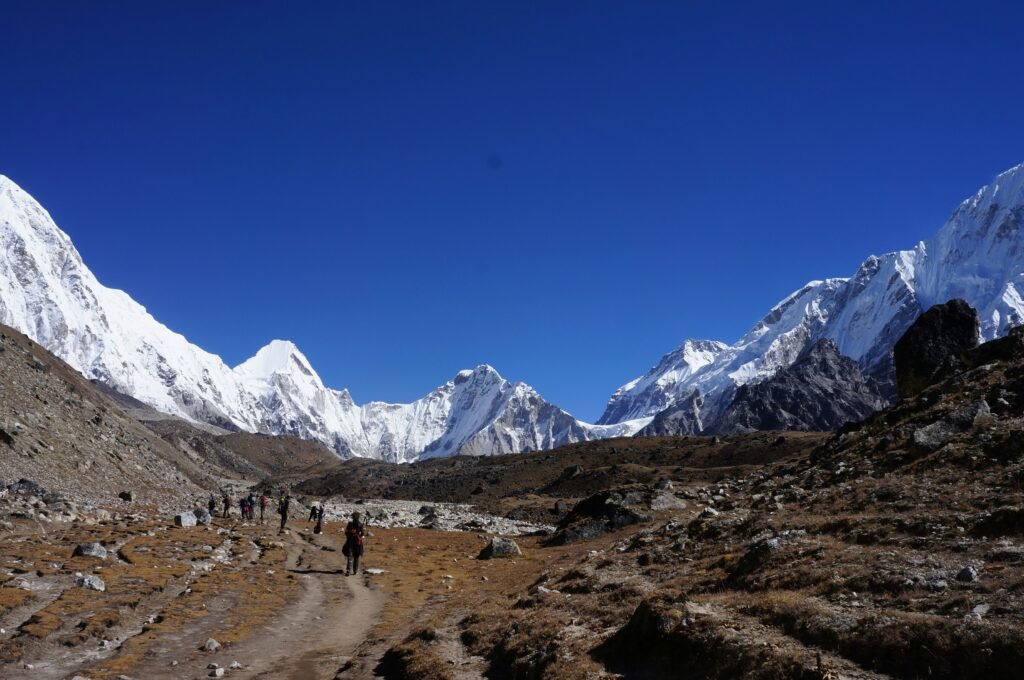
You do not need to be a world class athlete to walk among the tallest mountains on Earth. You need a strong will, good preparation, and time to adjust to the high altitude. The Everest Base Camp trek is a dream for many travelers, and ordinary people can complete it with the right plan. You do not need climbing skills, but you should be ready for long walks, steep trails, and cold mountain days.
Can a Normal Person Go to Everest Base Camp?
Yes! Many people with average fitness complete the Everest Base Camp trek each year. You do not need to climb Mount Everest or have special mountaineering skills. The trek follows marked mountain trails through villages, forests, and rocky valleys.
However, it is not an easy walk. You may walk for five to seven hours on some days. The trails can be steep, rough, and tiring. As you climb higher, the air becomes thinner, and your body needs more time to work.
People of different ages and fitness levels take on this journey. What matters most is preparing well, walking at a steady pace, and listening to your body.
How Difficult Is the Everest Base Camp Trek?
Everest Base Camp sits at about 5,364 meters (17,598 feet) above sea level. At this height, there is less oxygen in each breath. Even a short uphill walk may leave you feeling tired.
Most treks take around 12 to 14 days, including time to rest and adjust to the altitude. The route often starts with a flight to Lukla. From there, trekkers walk through Phakding, Namche Bazaar, Tengboche, Dingboche, and Lobuche before reaching base camp.
You will cross suspension bridges, climb stone steps, and walk past glaciers and snowy peaks. Some days will feel harder than others. You do not have to be fast. A slow and steady pace is often the best way to enjoy the trail.
How Fit Do You Need to Be?
You do not need to run marathons or spend hours at the gym. But you should build your fitness before the trip.
Start preparing about two to three months before your trek, if possible. Try these simple activities:
-
Walk for 30 to 60 minutes several times a week.
-
Go hiking on hills or uneven paths.
-
Climb stairs to build leg strength.
-
Try longer walks on weekends.
-
Carry a light backpack during practice walks.
Increase your activity slowly. If you have a health concern or are unsure whether high-altitude trekking is suitable for you, speak with a health professional before you go.
Good fitness can make walking easier, but it does not prevent altitude sickness. Anyone can become sick at high elevations, even if they are strong and active.
Why Rest Days Matter
One of the most important parts of the Everest Base Camp trek is acclimatization. This means giving your body time to adjust to the lower amount of oxygen at high altitude.
Many itineraries include rest days in Namche Bazaar and Dingboche. These days help you adjust before moving higher. You may take a short walk during the day, then return to your lodge to rest.
Drink water regularly, eat enough food, and avoid rushing. Tell your guide if you develop a headache, nausea, dizziness, or unusual tiredness. If symptoms worsen, do not continue climbing. Severe symptoms need urgent help, and going to a lower elevation may be necessary.
What Should You Pack?
The weather in the Everest region can change quickly. Warm, practical clothing will help you stay comfortable during long days on the trail.
Pack these key items:
-
Strong, comfortable trekking boots
-
Warm layers and a down jacket
-
Waterproof jacket and trousers
-
Gloves, a warm hat, and sunglasses
-
Sunscreen and lip balm
-
A reusable water bottle and water treatment supplies
-
Personal medicines and basic first aid items
-
A small backpack and trekking poles
You can often rent or buy trekking gear in Kathmandu, so you may not need to purchase everything before arriving in Nepal.
How Amble Himalaya Can Help
Planning a high-altitude trek can feel confusing, especially if this is your first visit to Nepal. Amble Himalaya offers trekking services for travelers who want to explore the Everest region with support.
Depending on the package, services may include itinerary planning, experienced local guides, porter support, accommodation arrangements, and help with transport and other travel details. A guide can help you follow the route, understand local culture, and manage the daily walking plan.
When choosing a package, check what is included, such as meals, permits, flights, and equipment support. Make sure the itinerary allows enough time for acclimatization rather than trying to reach base camp too quickly.
Is Everest Base Camp Worth It for an Ordinary Person?
Absolutely, if you prepare well and understand the challenge. The trek offers mountain villages, friendly local communities, glacier views, and close sights of some of the world’s highest peaks.
You may feel tired. Some days may test your patience. But reaching Everest Base Camp can be a deeply rewarding experience.
You do not need to be an expert hiker. Start training early, choose a sensible itinerary, walk at your own pace, and take altitude safety seriously. With the right preparation and support, an ordinary person can take on this extraordinary Himalayan journey.