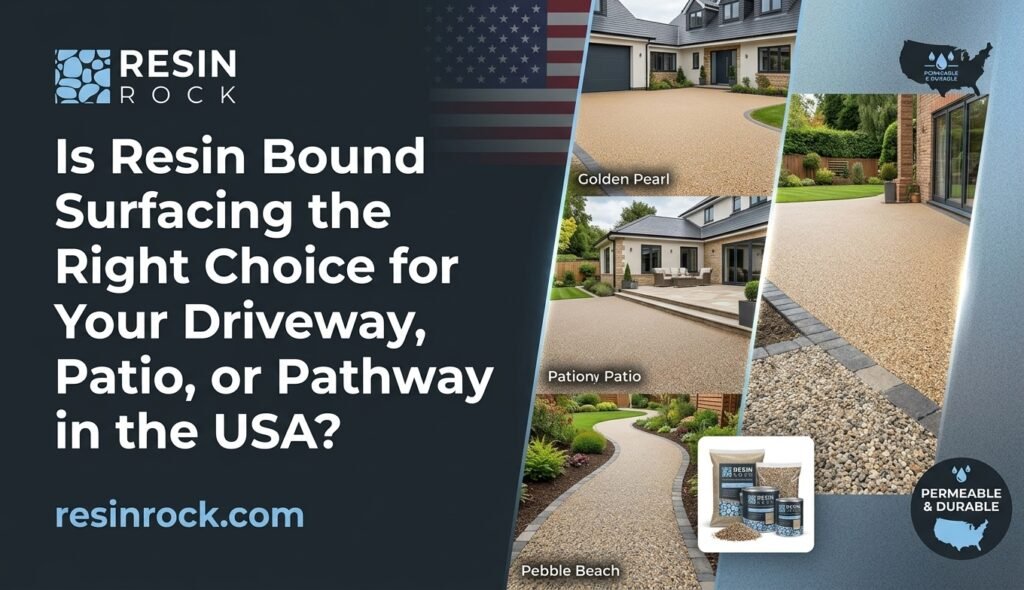
Introduction: Why Is Resin Bound Surfacing Becoming a Popular Choice?
Choosing the right outdoor surface can make a noticeable difference to the appearance, functionality, and maintenance of a property. Whether you are renovating a residential driveway, upgrading a backyard patio, or creating an attractive garden pathway, you need a material that balances durability with visual appeal. This is where resin bound surfacing offers an interesting solution.
Unlike traditional loose gravel, resin bound materials combine decorative stone aggregates with a specialized resin binder to create a smooth, unified finish. The result is a surface that can complement modern and traditional properties while allowing water to drain through when the system is correctly designed and installed.
For homeowners, contractors, and landscaping professionals across the United States, finding suitable materials is an important first step. Resin Rock’s resin bound collection offers a selection of binders, repair products, primers, and other supplies for resin bound surfacing projects.
But what should you know before choosing a bound resin system? Let’s explore its benefits, applications, material selection, and the factors that can influence your results.
What Is Resin Bound Surfacing, and How Does It Work?
Resin bound surfacing is created by thoroughly mixing natural stone aggregates with a suitable resin binder before spreading and smoothing the mixture over a prepared base. Once the resin cures, the individual stones remain bonded together, producing a continuous decorative surface.
This construction method differs from ordinary gravel paving, where loose stones can shift underfoot or move when vehicles pass over them.
A properly installed resin bound surface can provide several benefits:
- Permeability: Water can drain through the interconnected spaces between the aggregate particles.
- Decorative appeal: Different stone colors and blends help create a finish that complements the surrounding property.
- Reduced loose gravel: The binder holds the stones together, helping limit scattering.
- Versatility: The system can be suitable for driveways, walkways, patios, pool surrounds, and selected commercial areas.
- Straightforward maintenance: Routine sweeping and occasional cleaning can help preserve its appearance.
However, the finished performance depends on the resin formulation, aggregate grading, base preparation, installation technique, and local weather conditions. No resin system can compensate for an unstable foundation or poor installation.
Why Does Choosing the Right Resin Binder Matter?
The binder is one of the most important components of any resin bound installation. It connects the stone aggregates and helps determine the finished surface’s strength, appearance, and resistance to environmental exposure.
When comparing products, consider the following factors.
1. UV Resistance for Outdoor Applications
In many parts of the United States, driveways and patios experience prolonged exposure to direct sunlight. A UV-resistant resin binder is generally a sensible choice for these applications because it is designed to resist the discoloration associated with ultraviolet exposure.
For outdoor areas with strong sunlight, check the manufacturer’s specifications to confirm that the chosen binder is suitable for the intended use.
2. Correct Resin Formulation
Some systems use two components, commonly identified as Part A and Part B. These components must be combined according to the manufacturer’s instructions to achieve the intended curing performance.
Resin Rock lists UV-resistant and non-UV binder components, along with specialist products for vertical applications and repairs. Choosing the correct formulation for your project is essential.
3. Compatibility With Aggregate
Not every resin works equally well with every stone blend. Aggregate size, cleanliness, moisture content, and the manufacturer’s recommended mixing ratio can all affect the finished result.
Before purchasing a Gravel Resin Binder, confirm that it is intended for resin bound applications and is compatible with your selected aggregate.
Resin Bound Resin vs. Traditional Gravel: Which Is Better?
Traditional gravel remains a practical option for many properties, particularly where a lower initial installation cost is a priority. However, it can require regular raking, replenishment, and attention to weed growth.
Resin bound paving offers a different approach by securing the stones into a unified surface.
| Feature | Resin bound surfacing | Loose gravel |
| Appearance | Smooth, decorative finish | Natural, loose-stone appearance |
| Stone movement | Stones are bonded together | Stones can scatter or shift |
| Drainage | Permeable when correctly installed | Depends on aggregate and ground conditions |
| Maintenance | Generally low maintenance | May require regular raking and topping up |
| Installation | Requires careful mixing and preparation | Often simpler to install |
| Initial cost | Usually higher than basic gravel | Often more affordable |
The best option depends on your budget, intended use, property layout, and maintenance expectations. Resin bound surfacing is worth considering when you want a more consistent finish without the movement associated with loose gravel.
Where Can You Use Resin Bound Paving?
One reason resin bound systems attract attention is their flexibility across different outdoor settings.
Residential Driveways
A resin bound driveway can improve curb appeal while creating a stable surface for everyday vehicle access. The aggregate color can be selected to complement exterior walls, garage doors, landscaping, and other architectural features.
For driveways, ensure that the base, installation depth, and selected system are appropriate for the expected vehicle loads.
Patios and Garden Pathways
Patios and pathways benefit from the decorative appearance and reduced movement of bonded aggregate. Carefully selected stone blends can create a subtle natural finish or a more contrasting design.
Pool Decks and Outdoor Living Areas
Around swimming pools, drainage and underfoot grip are important considerations. A suitable resin bound system may be appropriate, but confirm that the product is specifically suitable for wet areas and poolside use. Slip resistance depends on the aggregate, surface finish, contamination, and maintenance.
Commercial Properties
Retail entrances, landscaped courtyards, and selected pedestrian areas can also benefit from decorative resin bound paving. Commercial projects require particular attention to traffic loads, accessibility, drainage design, and applicable building requirements.
How Do You Choose the Right Resin Bound Products?
Before placing an order, consider the size and purpose of your project rather than choosing a product based on appearance alone.
- Measure the area: Calculate the surface area and determine the required installation depth.
- Assess the base: Establish whether the existing concrete, asphalt, or prepared aggregate foundation is structurally suitable.
- Choose the binder: Match the resin formulation to sunlight exposure, application type, and aggregate compatibility.
- Select your stone: Consider color, particle size, texture, and how the finish will complement your property.
- Check the installation requirements: Review mixing ratios, working time, curing conditions, and safety instructions.
For projects requiring several materials, sourcing compatible products from one supplier can simplify planning. Resin Rock’s resin bound product collection includes binder components, repair kits, primers, and specialist supplies. Product pricing may require a registered contractor or trade account.
Is Resin Bound Surfacing Suitable for the American Climate?
The United States has a wide range of climates, from hot and sunny southern states to regions that experience freezing winters, snow, and repeated temperature changes. Selecting the right resin bound system therefore requires more than choosing an attractive stone blend.
In warmer climates, UV resistance and heat exposure deserve attention. In colder regions, the stability of the base, drainage performance, and the product’s suitability for freeze-thaw conditions become especially important.
Proper water management can help reduce standing water, but permeable surfacing does not eliminate every risk associated with freezing temperatures. Always check the manufacturer’s technical specifications and local installation requirements before proceeding.
Why Explore Resin Bound Products at Resin Rock?
Resin Rock supplies resin bound materials for homeowners, contractors, and commercial projects across North America. Its product selection includes resin binder components, repair kits, primers, vertical binders, and other installation-related products.
For contractors, having access to compatible materials can make project planning more manageable. Homeowners can also explore the collection to understand the products required for a proposed driveway, patio, or pathway renovation.
You can browse the available options directly at Resin Rock’s Resin Bound Collection and review the product specifications before choosing materials.
FAQs: Top 5 Questions About Resin Bound Surfacing
1. What is resin bound surfacing used for?
Resin bound resin surfacing is used for driveways, patios, garden paths, pool surrounds, and selected commercial outdoor spaces. It combines decorative aggregate with resin to create a continuous finish. When correctly designed and installed, the surface can also allow water to drain through the stone structure.
2. What is the difference between bound resin and resin binder?
The terms generally relate to the same surfacing system but describe different things. Bound resin commonly refers to the finished surface or the bonded aggregate system, while a resin binder is the material used to hold the aggregate together. Choosing the right binder depends on the application, aggregate, and environmental exposure.
3. How do I choose the right Gravel Resin Binder?
Consider UV resistance, aggregate compatibility, expected traffic, curing requirements, and exposure to moisture. For a sunny outdoor driveway, a suitable UV-resistant binder is often worth considering. Always follow the manufacturer’s technical guidance to ensure the binder is appropriate for your intended installation.
4. Is resin bound paving better than traditional gravel?
Resin bound paving can provide a more uniform finish and help prevent stones from scattering. Traditional gravel may cost less initially and can be easier to install, but it often needs more frequent maintenance. The better option depends on your budget, design preferences, drainage requirements, and intended use.
5. Where can I buy resin bound resin in the United States?
You can explore binders and related installation products through Resin Rock’s online collection. The collection includes UV-resistant and non-UV binder components, repair products, primers, and other specialist supplies. Review the available specifications and contact the supplier if you need help identifying the correct product for your project.
Final Thoughts: Is Resin Bound the Right Investment for Your Property?
Resin bound surfacing can be a practical choice for property owners who want an attractive, stable, and potentially permeable alternative to loose gravel or conventional paving. Its success, however, depends on choosing compatible materials and preparing the foundation correctly.
Whether you’re planning a new driveway, refreshing an existing patio, or sourcing supplies for a professional installation, understanding the role of the resin binder, aggregate, and installation process will help you make a more informed decision.