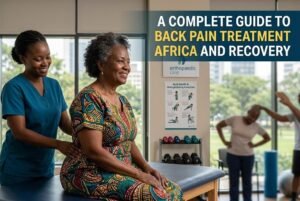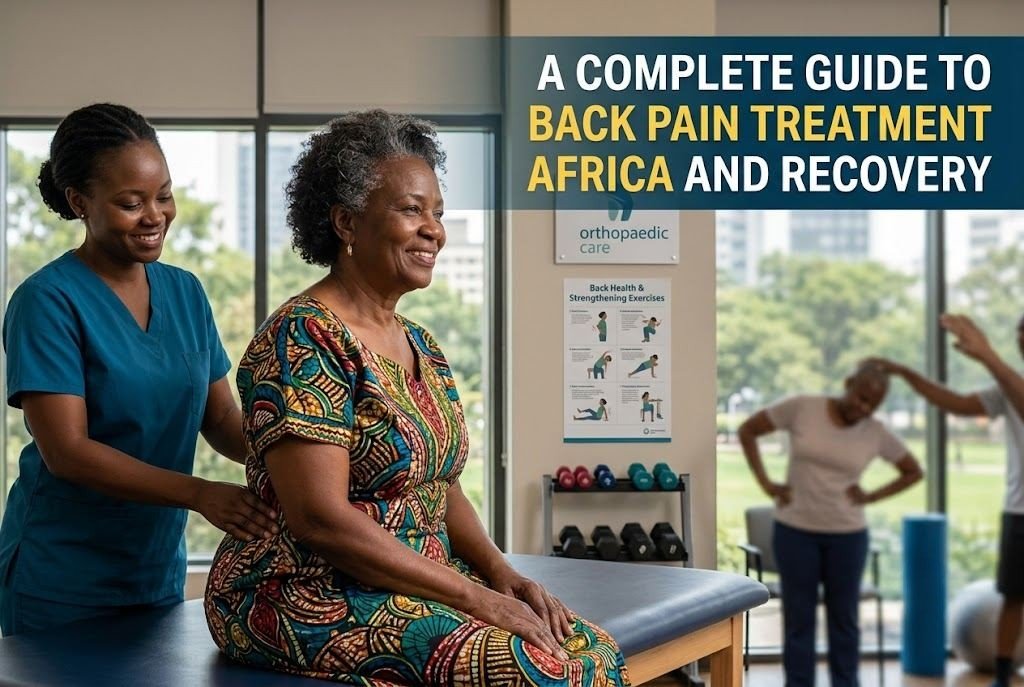
Back pain can affect people of all ages, making everyday activities such as walking, sitting, working, and sleeping difficult. It may develop because of poor posture, muscle strain, injuries, age-related changes, or underlying spinal conditions. Understanding the available options for Back pain treatment Africa can help individuals make informed decisions about their health and recovery. With an appropriate diagnosis, personalised treatment, and consistent rehabilitation, many people can manage their symptoms and improve their mobility and quality of life.
Understanding the Common Causes of Back Pain
Back pain can range from mild discomfort to persistent pain that interferes with daily activities. Identifying its cause is an important first step towards effective treatment.
Common causes include:
- Poor posture: Prolonged sitting, bending, and incorrect lifting techniques can place additional stress on the spine.
- Muscle and ligament strain: Heavy lifting, sudden movements, and physical overexertion may cause discomfort.
- Herniated discs: Damaged or displaced spinal discs can irritate nearby nerves and cause pain.
- Degenerative conditions: Age-related changes in the spine may contribute to stiffness, reduced flexibility, and chronic discomfort.
- Spinal injuries: Accidents, falls, and sports injuries can affect the muscles, joints, discs, or vertebrae.
- Limited physical activity: Weak core muscles and prolonged inactivity can contribute to recurring back problems.
Recognising these causes helps healthcare professionals recommend suitable treatment rather than relying solely on temporary pain relief.
Back Pain Treatment Africa: Available Treatment Options
Choosing the right treatment depends on the severity of the symptoms, the underlying condition, medical history, and overall physical health. At Revive Orthopedic and Spine Centre, the treatment approach should be guided by an appropriate clinical assessment and individual patient needs.
1. Back Pain Treatment Africa Through Conservative Care
Many cases of back pain improve with non-surgical treatment. Depending on the diagnosis, conservative care may include short periods of activity modification, appropriate medication prescribed by a healthcare professional, and guided exercises.
Patients are generally encouraged to maintain gentle movement as tolerated rather than remain on prolonged bed rest. Avoiding activities that aggravate symptoms while gradually returning to normal routines may also support recovery.
2. Physiotherapy and Rehabilitation
Physiotherapy can help improve strength, flexibility, posture, and movement. A qualified physiotherapist may recommend exercises that strengthen the abdominal and back muscles, improve spinal mobility, and reduce unnecessary strain.
Rehabilitation programmes can also include posture education, movement training, and guidance on safe lifting techniques. Exercises should be adapted to the patient’s condition, particularly when nerve compression, significant injuries, or other spinal problems are suspected.
3. Specialist Assessment and Advanced Care
Persistent or recurring back pain may require assessment by an orthopaedic or spine specialist. A clinical examination helps determine whether further investigations, such as imaging, are necessary.
Depending on the diagnosis, treatment may involve targeted pain management, specialised rehabilitation, or procedures to address a specific spinal problem. Surgery is generally considered when there is a clear indication, such as certain cases of nerve compression or structural spinal conditions that have not responded adequately to appropriate non-surgical care.
Choosing the Right Back Pain Clinic Africa
Selecting an appropriate healthcare facility is an important part of the treatment journey. Patients should look for a Back pain clinic Africa that offers comprehensive assessment, clear communication, and an individualised treatment plan.
Consider the following factors when choosing a clinic:
- Qualified specialists: Look for healthcare professionals with relevant experience in orthopaedic and spinal conditions.
- Accurate diagnosis: Effective treatment begins with identifying the likely source of pain.
- Personalised treatment: Care should reflect the patient’s symptoms, health history, and functional goals.
- Rehabilitation support: Access to appropriate physiotherapy can help patients regain strength and mobility.
- Clear communication: Patients should understand their diagnosis, available options, expected recovery, and potential risks.
A good treatment experience should involve shared decision-making, realistic expectations, and regular review of progress.
Lower Back Pain Treatment Africa: Supporting Everyday Recovery
Lower back pain is particularly common because this region supports much of the body’s weight and experiences repeated stress during daily movement. Lower back pain treatment Africa may involve conservative care, physiotherapy, medical management, or specialist intervention depending on the underlying cause.
Patients can support their recovery by maintaining good posture, taking regular movement breaks, and avoiding prolonged periods in one position. When lifting objects, keeping them close to the body and bending the knees can help reduce unnecessary strain.
Gentle walking and clinician-approved exercises may also improve mobility. However, patients should avoid forcing painful movements or beginning strenuous exercise without appropriate guidance.
Recovery timelines vary. Mild muscle strains may improve within days or weeks, while chronic conditions and significant spinal injuries can require longer-term management. Consistency and appropriate follow-up are important for achieving sustainable progress.
When Should You Consult the Best Back Pain Specialist Africa?
Occasional back discomfort may settle with appropriate self-care, but persistent, worsening, or recurring pain deserves medical attention. Consulting the Best back pain specialist Africa can help patients understand their symptoms and identify appropriate treatment options.
Seek professional assessment if your pain persists for several weeks, repeatedly returns, spreads into your legs, or is accompanied by numbness, tingling, or weakness.
Seek emergency medical care immediately if back pain occurs with new difficulty controlling your bladder or bowel, difficulty passing urine, numbness around the groin or saddle area, or rapidly worsening leg weakness. These symptoms can indicate serious nerve compression.
Medical assessment is also important when back pain follows a major accident or occurs with fever, unexplained weight loss, or a history of cancer.
FAQs About Back Pain Treatment Africa
1. What is the most effective treatment for back pain?
The most effective treatment depends on the cause and severity of the pain. Many people benefit from appropriate activity, physiotherapy, and clinician-guided pain management, while some conditions require specialist procedures or surgery.
2. Can back pain improve without surgery?
Yes. Many common back pain conditions improve with non-surgical approaches, including guided exercise, physiotherapy, activity modification, and appropriate medication. Surgery is reserved for selected cases where it is medically indicated.
3. How long does recovery from back pain take?
Recovery varies according to the underlying condition. Mild strains may improve within a few days or weeks, whereas persistent spinal conditions can require several weeks or months of treatment and rehabilitation.
4. When should I visit a back pain clinic?
Consider visiting a clinic when pain persists, interferes with daily activities, repeatedly returns, or causes symptoms such as pain radiating into the legs. Emergency symptoms, including new bladder or bowel dysfunction, require immediate medical attention.
5. Can physiotherapy prevent recurring back pain?
Physiotherapy may help reduce the risk of recurrence by improving strength, flexibility, posture, and movement habits. The most suitable programme depends on the patient’s diagnosis and physical abilities.
Conclusion
Successful recovery from back pain begins with understanding its cause and choosing care that matches individual needs. Early assessment, appropriate treatment, healthy movement habits, and consistent rehabilitation can help many patients improve their comfort and function. At Revive Orthopedic and Spine Centre, patients can explore suitable options for Back pain treatment Africa based on professional evaluation, their specific spinal condition, and their recovery goals. Seeking timely guidance can help prevent unnecessary delays and support a safer return to everyday activities.