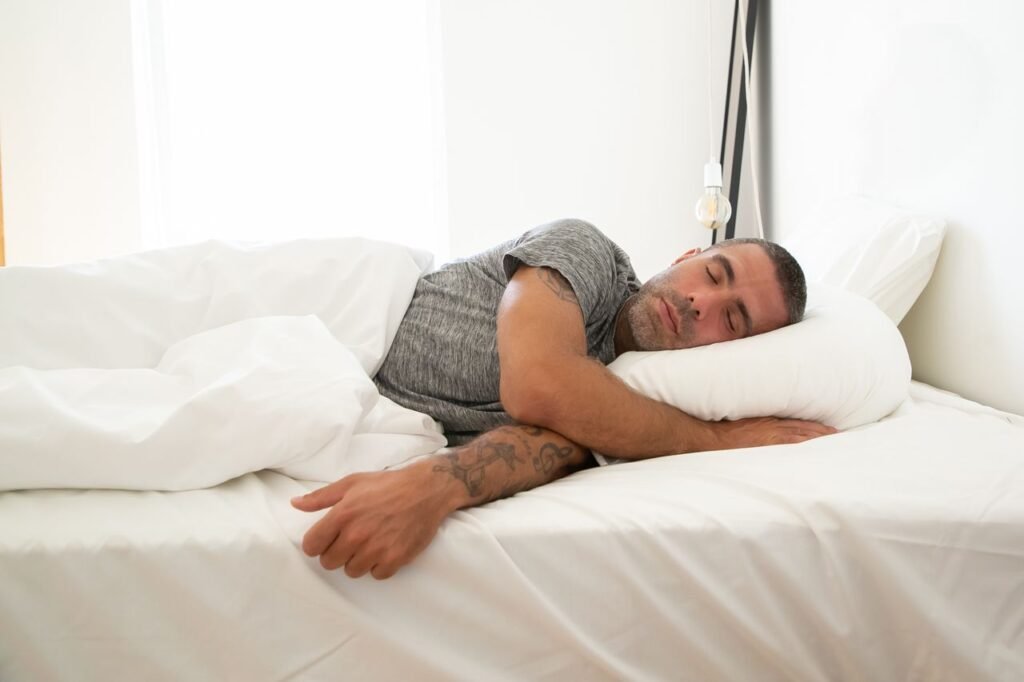
A good night’s sleep can feel like a reset after a demanding day. Yet the body is not simply switching off. During sleep, it works on muscle repair, hormone regulation, energy restoration, and brain function. That makes sleep relevant to anyone who trains, works long hours, or wants better daily performance. It is also worth improving basic habits before deciding to buy a testosterone booster supplement, since sleep is part of the foundation for hormone health. In this guide, we’ll look at how sleep supports recovery, testosterone, mental focus, and the signs that the body may need more recovery.
Why Sleep is Important for Overall Body Recovery
Sleep gives the body time to repair tissues affected by exercise and everyday activity. Deep sleep is associated with the release of growth hormone, which supports tissue growth and repair. Sleep also supports immune function and helps regulate energy balance. When sleep is regularly shortened, these processes can be affected, making it harder to feel physically ready after demanding activity.
Recovery also depends on nutrition, hydration, training load, and rest days. A sports hydration powder can help replace fluids and electrolytes around strenuous exercise when needed, but it cannot replace adequate sleep. A consistent bedtime, suitable sleep environment, and enough total sleep provide a stronger base for recovery. Most adults need around seven to nine hours each night, although individual needs vary.
What’s the Connection Between Sleep and Testosterone Levels?
Testosterone production follows a daily pattern and is closely linked with sleep. Research has found that sleep restriction can lower testosterone levels in healthy young men. A study reported that one week of sleeping about five hours per night was associated with reduced daytime testosterone levels. This does not mean one poor night causes a lasting hormone problem, but it shows why regular sleep matters.

The relationship can also run in the other direction. Low testosterone may be associated with lower energy and mood changes, which can affect wellbeing and sleep. For people considering ways to support hormone health, you can buy a testosterone booster supplement. It can easily help your body recover and maintain overall wellbeing.
Sleep quality involves more than time in bed. Frequent waking, irregular sleep timing, stress, alcohol, late caffeine, and sleep disorders can reduce how restorative sleep feels. If poor sleep continues despite allowing enough time for rest, it is worth looking for the underlying cause rather than treating tiredness as normal.
Can Poor Sleep Affect Mental Focus and Productivity?
Poor sleep can make routine tasks harder. Sleep loss can affect attention, reaction time, memory, decision-making, and emotional control. These effects can matter at work, studying, driving, or completing detailed tasks. Someone may still finish their work, but reduced alertness can make mistakes more likely.
A sports hydration powder may support fluid and electrolyte replacement during demanding exercise. If concentration keeps slipping, reviewing sleep duration and consistency is more useful than seeking a quick fix. A stable bedtime, less caffeine late in the day, and a calmer pre-sleep routine can help.
5 Signs Your Body May Not Be Recovering Properly
Persistent Soreness
Normal soreness can follow hard or unfamiliar exercise, but soreness that remains high may suggest that training stress is exceeding recovery. Before choosing to buy a testosterone booster supplement, review sleep, protein intake, rest days, and training volume.
Falling Performance
Repeated drops in strength, endurance, or workout quality can signal inadequate recovery. The body may need more rest, better nutrition, or a lower training load.
Poor Morning Energy
Waking up exhausted after enough time in bed may point to fragmented sleep, stress, heavy training, or an inconsistent schedule. Persistent fatigue deserves attention.
Brain Fog
Poor sleep can affect concentration, mood, and motivation. Unusual irritability or mental sluggishness may mean the balance between activity and rest needs attention.
Slow Recovery
Taking longer to feel ready for the next workout can reflect insufficient sleep, food, fluids, or rest. A sports hydration powder can help during prolonged sweaty exercise, but it should support, not replace, sound recovery habits.
Final Insight
Sleep is not an optional extra for people who care about strength, performance, or hormone health. It gives the body and brain time to recover from daily demands and supports normal hormone rhythms, physical repair, and concentration. If you’re looking to buy a testosterone booster supplement, you should first strengthen basics such as sleep, nutrition, exercise, and recovery. Persistent fatigue, disrupted sleep, or repeated recovery problems may need professional attention. Good recovery is rarely built around one product or habit. It comes from giving the body consistent conditions for proper recovery.