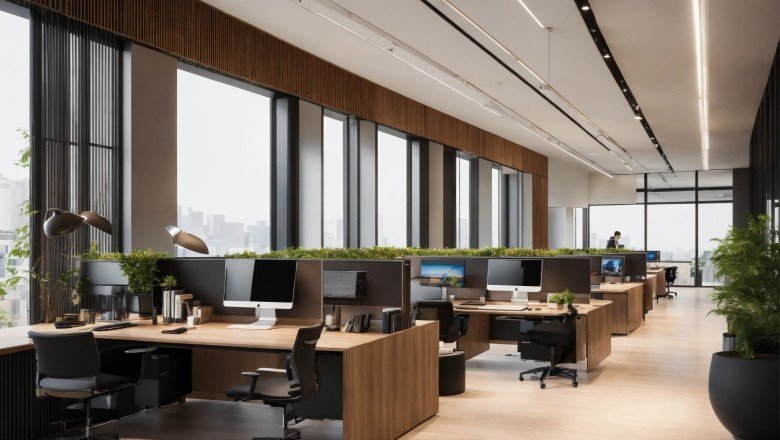
Modern corporate offices in Dubai are changing rapidly. Businesses are no longer choosing furniture based only on appearance or basic functionality. Today, companies want workspaces that support employee comfort, productivity, collaboration, technology, and efficient use of floor space.
As Dubai continues to attract businesses from around the world, office environments are becoming more flexible and design-conscious. Current workplace trends show growing interest in ergonomic furniture, modular layouts, technology integration, and sustainable materials.
For companies planning a new workspace or upgrading an existing one, understanding these trends can make furniture investment more valuable. A well-designed Office workstation in Dubai can contribute to an organized, comfortable, and professional workplace while helping businesses make better use of available space.
1. Ergonomic Design Is Becoming Essential
Employee comfort has become one of the most important considerations in modern office planning. Employees may spend several hours working at their desks, so workstations need to support good posture and comfortable working positions.
Modern workstation setups increasingly complement ergonomic chairs with adjustable desks, monitor arms, suitable desk heights, and practical accessories. Sit-stand solutions are also gaining attention because they allow employees to alternate between sitting and standing throughout the workday.
For Dubai businesses, ergonomic design is particularly valuable because it combines employee well-being with productivity. Instead of treating comfort as an additional feature, companies are incorporating it into the basic workstation design.
2. Flexible and Modular Workstations
Corporate teams are not always the same size. Businesses grow, departments change, and hybrid working arrangements can alter how frequently employees use their desks. This has increased demand for modular furniture systems that can be rearranged when workplace requirements change.
A modular Office workstation in Dubai can be configured into two-, four-, or six-person clusters depending on the available floor area and team structure. Screens, storage units, and desk arrangements can also be adjusted to create different levels of privacy and collaboration.
This flexibility is especially useful for startups, expanding companies, and organizations that regularly reorganize departments. Rather than replacing an entire furniture system whenever the company changes, modular workstations can often be adapted to accommodate new requirements.
3. Minimalist Designs for Cleaner Offices
Minimalism remains a strong influence on corporate office interiors in Dubai. Businesses are moving away from oversized desks, excessive storage, and visually heavy furniture. Instead, they are selecting streamlined designs with clean lines and practical features.
Minimalist workstations can make an office feel more spacious and organized. Cable management systems, integrated storage, slim desk surfaces, and simple privacy panels help maintain a clean appearance without sacrificing functionality.
The goal is not simply to create an attractive office. A less cluttered environment can also make it easier for employees to concentrate and move around the workplace. Modern furniture trends increasingly emphasize efficient use of space rather than filling every available area with furniture.
4. Technology-Integrated Workstations
Technology is now central to almost every corporate environment. Employees may use multiple monitors, laptops, docking stations, phones, and other devices throughout the day. As a result, workstation design is increasingly incorporating technology directly into the furniture.
Features such as built-in power outlets, USB charging ports, cable trays, wire-management channels, and monitor arms can reduce clutter and make everyday work more convenient.
Technology integration is particularly useful in modern Dubai offices where businesses want professional interiors without cables and equipment creating visual disorder. A properly planned Office workstation in Dubai should therefore consider electrical and data requirements before the furniture layout is finalized. Office furniture specialists also recommend coordinating furniture with electrical and data planning during the fit-out process.
5. Hybrid Work Is Influencing Office Layouts
Hybrid work has changed how companies think about desk allocation. Not every employee needs a permanently assigned workstation if teams work remotely on certain days.
This has encouraged businesses to explore shared desks, hot-desking arrangements, flexible workstation clusters, and multi-purpose areas. Modern workplaces are increasingly designed around different activities, including focused work, meetings, collaboration, and informal discussions.
Instead of creating rows of identical desks for every employee, companies can combine workstation areas with meeting pods, collaborative tables, lounge spaces, and private rooms. This creates a workplace that can support different working styles throughout the day.
6. Privacy Without Completely Closing the Office
Open-plan offices remain popular because they encourage communication and allow businesses to use floor space efficiently. However, completely open environments can sometimes create distractions.
The latest workstation designs address this issue through partial privacy screens, acoustic panels, desk dividers, and strategically positioned storage. These features provide employees with a sense of personal space while keeping the office visually open.
This balanced approach is useful for corporate environments where employees need both teamwork and concentration. Instead of traditional enclosed cubicles, modern offices can use low or medium-height partitions to create comfortable work zones.
7. Sustainable Materials and Responsible Design
Sustainability is becoming increasingly important in corporate furniture decisions. Companies are paying greater attention to materials, manufacturing practices, durability, and the long-term environmental impact of their purchases.
Workstations made with responsibly sourced wood, recycled components, recyclable metal, and low-emission finishes can support corporate sustainability objectives. Durable furniture is also valuable because longer product lifecycles reduce the need for frequent replacement.
For businesses in Dubai, sustainable furniture can contribute to a modern corporate identity while supporting broader environmental goals. Sustainability is no longer limited to architecture and building systems; it is increasingly visible in furniture selection as well.
8. Natural Finishes and Biophilic Influences
Corporate interiors are also becoming warmer and more welcoming. Natural wood finishes, neutral tones, plants, and organic textures can make a workplace feel less institutional.
This trend works particularly well when combined with minimalist workstation designs. Wood-look surfaces can add warmth, while plants and natural elements provide visual contrast against modern architectural interiors.
The objective is to create offices where employees feel comfortable spending time rather than environments that feel purely functional. Dubai businesses are increasingly treating workplace experience as an important part of office design and company culture.
9. Space-Efficient Workstation Configurations
Office space can represent a significant investment, so efficient planning is essential. Instead of simply purchasing individual desks, businesses are considering how workstation clusters influence circulation, storage, meeting areas, and overall capacity.
Two-person, four-person, and six-person workstation arrangements can be selected according to team requirements and available space. Compact configurations can work well for high-density departments, while larger desk surfaces may be more suitable for employees who use multiple monitors or handle physical documents.
The best layout is not necessarily the one that fits the highest number of desks. It should provide sufficient circulation, comfort, privacy, and access to shared facilities.
10. Customization and Corporate Identity
Modern companies increasingly want office furniture that reflects their brand. Workstations can contribute to this identity through colors, finishes, partition materials, and coordinated storage.
A professional workstation system can complement reception furniture, meeting tables, executive offices, and collaborative areas to create a consistent visual language throughout the workplace.
Customization is particularly useful for companies with distinctive branding or unusual floor plans. Rather than forcing a standard workstation into an unsuitable space, businesses can select dimensions and configurations that better match their office architecture.
Furnicraft: Creating Modern Office Environments
Furnicraft is a brand that can help businesses looking for contemporary furniture solutions for professional workplaces. Its approach to modern office furniture aligns with important trends such as functionality, clean aesthetics, ergonomic considerations, and practical workplace planning.
For companies upgrading their interiors, working with a furniture provider such as Furnicraft can make it easier to coordinate workstations with other office furniture and create a cohesive corporate environment.
Its solutions can be considered by businesses seeking furniture that balances professional appearance with the practical needs of today’s workplaces.
Conclusion
The future of corporate offices in Dubai is focused on flexibility, comfort, technology, sustainability, and efficient space planning. Workstations are no longer simple desks arranged in rows. They are becoming important components of workplace strategy, helping businesses create environments that support individual productivity while encouraging collaboration.
From ergonomic features and modular configurations to integrated technology and sustainable materials, the latest Office workstation in Dubai trends offer businesses many ways to modernize their workplaces. By selecting furniture according to employee needs, office size, company culture, and future growth, organizations can create professional environments that remain useful and attractive for years to come.