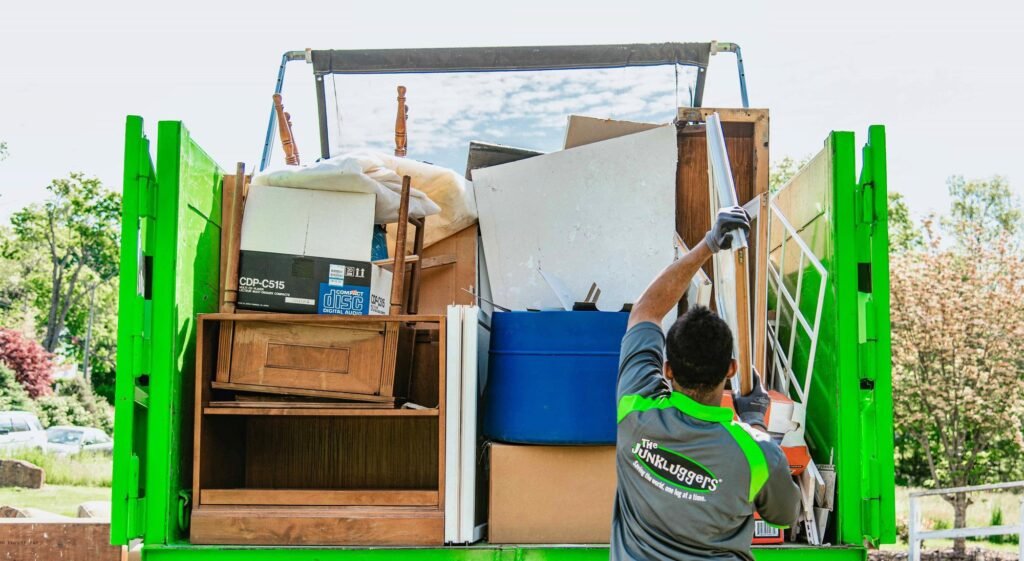
A cluttered garage, overflowing basement, or pile of unwanted furniture can quickly become a difficult cleanup project. The challenge is not only getting items out of the house but also knowing what can be removed safely and responsibly. A professional junk removal service milford can handle many common household and property items while saving homeowners time, effort, and unnecessary trips to disposal facilities. Knowing what these companies accept helps you plan your cleanup with confidence.
What Can Junk Removal Companies Usually Take?
Professional removal companies handle a wide variety of unwanted items from homes, offices, rental properties, garages, and outdoor spaces. Their crews typically arrive with the equipment needed to lift, load, transport, and sort bulky materials.
However, acceptance policies can vary between companies. Some materials require special handling, while others may be prohibited because of safety, environmental, or local disposal regulations.
Common items that many junk removal companies accept include:
- Old furniture
- Mattresses and box springs
- Household appliances
- Electronics
- Yard waste
- Exercise equipment
- Carpets and rugs
- Construction debris
- General household clutter
- Office furniture and equipment
Before scheduling a pickup, it is always smart to confirm whether the specific items you want removed are accepted.
Furniture and Household Items
Furniture is among the most common types of junk handled by professional crews. Large or awkward pieces can be particularly difficult for homeowners to move without help.
Common Furniture Items
Most removal companies can take away items such as:
- Sofas and couches
- Recliners
- Dining tables
- Chairs
- Bed frames
- Dressers
- Bookshelves
- Desks
- Cabinets
- Patio furniture
Professional crews can often remove furniture from bedrooms, basements, garages, offices, and other areas. This is especially useful when items are too heavy to move through narrow hallways or down stairs safely.
Mattresses and box springs are also commonly accepted. Since disposal requirements may differ by location, a reputable provider should explain how these materials will be handled.
Appliances and Large Household Equipment
Old appliances can occupy valuable space and may be difficult to transport. Professional junk removal services can often handle large appliances that homeowners cannot easily move alone.
Examples may include:
- Refrigerators
- Freezers
- Washing machines
- Dryers
- Dishwashers
- Ovens
- Microwaves
- Air conditioners
Some appliances contain refrigerants, oils, or other components that require special disposal procedures. For that reason, homeowners should tell the removal company exactly what they have before pickup.
If an appliance is still connected to gas, electricity, or plumbing, it should generally be disconnected by a qualified professional when necessary. Removal crews should not be expected to perform work that requires specialized licensing or creates unnecessary safety risks.
Electronics and E-Waste
Electronic waste is another category that deserves careful attention. Throwing certain electronics into regular trash can create environmental concerns because some devices contain materials that require specialized recycling or disposal.
Depending on local policies and company capabilities, removal services may accept:
- Televisions
- Computers
- Monitors
- Printers
- Stereos
- Speakers
- DVD players
- Small electronic devices
Before arranging pickup, ask whether electronics are recycled, donated, or sent to an approved processing facility.
A responsible removal company can help keep usable equipment out of landfills and ensure certain materials are handled through appropriate channels.
Yard Waste and Outdoor Debris
Junk does not always come from inside the house. Outdoor cleanup can generate large amounts of material, especially after landscaping projects, storms, renovations, or seasonal maintenance.
Many removal companies may accept:
- Fallen branches
- Tree limbs
- Leaves
- Brush
- Old fencing
- Broken outdoor furniture
- Small amounts of landscaping debris
- Unwanted garden structures
However, rules for yard waste can vary considerably by municipality. Some companies may have limits on the size, quantity, or type of vegetation they can collect.
For larger tree trunks, extensive soil removal, or hazardous materials, you may need a specialized service.
Renovation and Construction Debris
Home improvement projects often leave behind more waste than expected. A professional removal crew can make cleanup easier after remodeling, repairs, or demolition work.
Depending on the provider, accepted materials may include:
- Drywall
- Wood
- Flooring
- Cabinets
- Tiles
- Carpeting
- Fixtures
- Small amounts of concrete
- General renovation debris
Before hiring a company, describe the project and approximate volume of debris. Some providers have restrictions on heavy materials such as concrete, bricks, dirt, or roofing materials.
It is also important to keep hazardous substances separate. Paint, solvents, chemicals, and similar materials may require specialized disposal.
Office and Business Junk
Junk removal is not limited to residential properties. Businesses frequently accumulate unwanted furniture, equipment, and miscellaneous materials during office moves, renovations, or closures.
Common commercial items may include:
- Desks
- Office chairs
- Filing cabinets
- Shelving
- Computers
- Printers
- Reception furniture
- Breakroom appliances
- Cubicle components
A professional crew can remove multiple bulky items in a single visit, which can reduce disruption to normal business operations.
For companies replacing office equipment, it is worth asking whether usable items can be donated or recycled rather than simply discarded.
What Items May Not Be Accepted?
Not everything found around a property belongs in a standard junk removal load. Certain materials present significant risks during transportation or disposal.
Common restricted or prohibited items may include:
| Item Category | Why Special Handling May Be Needed | Possible Alternative |
|---|---|---|
| Paint and solvents | Chemical and environmental hazards | Household hazardous waste facility |
| Gasoline and fuel | Fire and safety risk | Approved hazardous-waste program |
| Propane tanks | Pressure and fire concerns | Local propane recycling/disposal site |
| Explosives or ammunition | Serious safety risk | Contact appropriate local authorities |
| Medical waste | Biological and health hazards | Specialized medical-waste provider |
| Asbestos materials | Serious health hazard | Licensed asbestos professional |
| Certain chemicals | Toxic or corrosive properties | Hazardous-waste facility |
| Large amounts of tires | Special disposal requirements | Tire recycling facility |
The exact rules depend on local regulations and the company’s own policies. When in doubt, provide a complete list of what you need removed before the appointment.
How to Prepare Items for Safe Removal
A little preparation can make the removal process faster and safer. You do not necessarily need to move heavy items outside before the crew arrives.
Separate Restricted Materials
Go through your unwanted items before scheduling service. Separate chemicals, fuels, medical waste, and other potentially hazardous materials from ordinary household junk.
This helps the removal company determine what can be loaded and prevents unsafe materials from being mixed with regular waste.
Clear Access Paths
Make sure the crew can reach the items without unnecessary obstacles. Remove loose objects from walkways and unlock gates or doors that workers need to access.
If large furniture must come through a narrow doorway, let the company know in advance. This gives the crew an opportunity to plan the removal properly.
Identify Items That Could Be Reused
Not everything you no longer need is necessarily garbage. Furniture, appliances, electronics, and household goods in usable condition may have value to someone else.
Ask whether the company donates or recycles eligible items. Responsible disposal can give unwanted possessions a second life while reducing unnecessary landfill waste.
Why Professional Removal Can Be Safer Than DIY Cleanup
Moving heavy or awkward objects without the right equipment can lead to damaged floors, scratched walls, strained muscles, or other accidents.
Professional crews are accustomed to handling bulky materials and working in challenging spaces. They can also load items efficiently, reducing the number of trips needed to transport everything yourself.
DIY cleanup may appear inexpensive at first, but costs can add up when you factor in truck rental, fuel, disposal fees, equipment, and time away from work or other responsibilities.
For large cleanouts, professional help can provide a more convenient solution.
Questions to Ask Before Booking a Junk Removal Company
Choosing the right provider is about more than finding the lowest price. A few questions can help you understand exactly what you are paying for.
Consider asking:
- What types of items do you accept?
- Are there materials you cannot remove?
- Do you charge by volume, weight, or item?
- Are labor and disposal fees included?
- Do you recycle or donate usable items?
- Will the crew remove items from inside the property?
- Do you handle appliances and electronics?
- Are there additional charges for difficult access?
- Do I need to prepare the items before arrival?
- How will restricted materials be handled?
Clear answers can prevent surprises and make the entire cleanup process smoother.
How to Make Your Cleanup More Efficient
You can get more value from a removal appointment by organizing your project beforehand. Instead of removing items randomly, walk through each room and create a simple list of everything you want gone.
Group similar materials together when possible. For example, place old furniture in one area, electronics in another, and ordinary household clutter somewhere easily accessible.
Also consider whether there are items you may want to donate separately. If something is valuable or in excellent condition, you may receive more benefit by selling or donating it rather than treating it as junk.
Finally, estimate how much material you have. Photos or a detailed description can help a removal company provide a more accurate estimate before the appointment.
Why Responsible Disposal Matters
Getting unwanted items out of your home is only one part of the process. What happens afterward matters too.
Responsible junk removal can involve sorting materials for recycling, donating usable goods, and directing certain waste streams to appropriate disposal facilities. These practices can reduce unnecessary landfill waste and help recover materials that still have value.
When comparing providers, ask about their disposal practices. A company that takes time to sort and properly handle materials can offer more value than one focused only on hauling everything away.
Conclusion
Knowing what a junk removal company can safely take away makes planning a cleanup much easier. From unwanted furniture and appliances to electronics, yard debris, and renovation materials, professional crews can handle many of the bulky items that are difficult to manage alone. However, hazardous substances and certain restricted materials require specialized disposal, so always confirm acceptance policies before booking. With a little preparation, homeowners and businesses can make their cleanup faster, safer, and more organized. Choosing a responsible provider also ensures that reusable and recyclable materials have the best possible chance of being put to good use.
FAQs
1. Can junk removal companies take old furniture?
Yes, many junk removal companies accept sofas, tables, chairs, beds, dressers, cabinets, desks, and other household furniture. Confirm the company’s policies if the furniture is unusually large or damaged.
2. Do junk removal companies take appliances?
Many providers accept appliances such as refrigerators, washers, dryers, ovens, and dishwashers. However, some appliances may require special handling, so provide details when requesting service.
3. Can electronics be removed with regular junk?
Many removal companies accept electronics, but they may process them separately for recycling or specialized disposal. Ask the provider how electronics are handled before scheduling pickup.
4. What items are usually prohibited?
Hazardous chemicals, fuels, explosives, medical waste, asbestos-containing materials, and certain pressurized containers are commonly restricted. Local regulations and individual company policies determine the exact list.
5. Should I move everything outside before the removal crew arrives?
Not necessarily. Many professional crews can remove items from garages, basements, rooms, offices, and other areas. Clear the access path and tell the company about stairs, narrow doors, or other difficult conditions in advance.