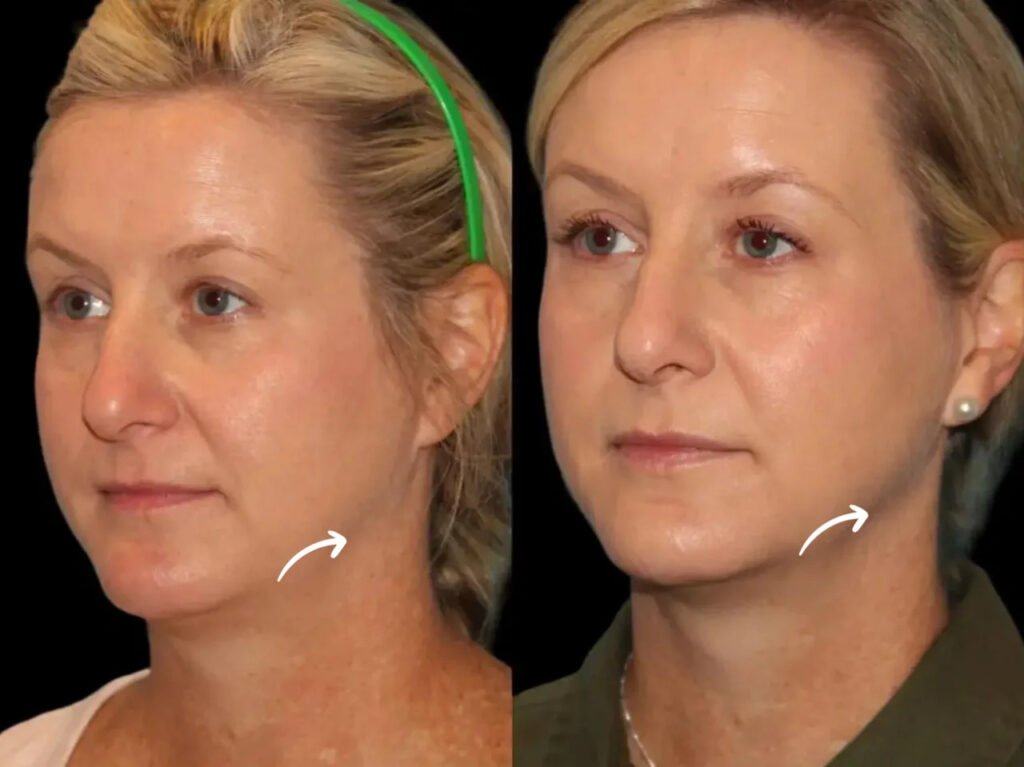
Sculptra treatment is increasingly discussed as a collagen-focused approach to gradual facial and body rejuvenation. Rather than simply adding immediate volume, sculptra in dubai is commonly planned around the patient’s anatomy, skin quality, degree of tissue support, and desired level of improvement. Because different treatment areas have different tissue characteristics, dose planning should not be approached as a single formula that works for everyone.
At Perfect Doctors Clinic, treatment planning can involve assessing each zone individually before deciding whether Sculptra is appropriate. The approach may consider facial proportions, skin thickness, laxity, volume deficiency, previous aesthetic procedures, and the patient’s expectations. Dr Perfect Celebrity can evaluate these factors when developing a personalized treatment strategy.
Understanding how dose planning varies by treatment zone can also help patients have more realistic expectations about sculptra fillers, sculptra dermal filler treatment sessions, gradual collagen stimulation, and the overall treatment process.
Why Treatment-Zone Planning Matters for Sculptra
Sculptra contains poly-L-lactic acid (PLLA), a biocompatible material designed to stimulate collagen production. Its effects develop gradually rather than appearing as immediate volumization. This means treatment planning involves more than determining how much product to use.
A zone-based approach considers:
- The anatomy and structure of the treatment area
- Skin thickness and elasticity
- Existing volume
- Degree of laxity or tissue deflation
- The desired degree of correction
- Whether the area has been treated previously
- The patient’s response to earlier sessions
- Appropriate spacing between treatment sessions
The same amount of product is not automatically appropriate for every body region. The cheeks, temples, neck, and buttocks have different anatomical characteristics and aesthetic objectives.
This is one reason choosing the Best Aesthetic Clinic in Dubai should involve more than looking at treatment popularity. A qualified assessment should determine whether Sculptra is suitable for the specific area and whether another treatment approach may be more appropriate.
Sculptra Injection in Dubai and Individualized Dose Assessment
A Sculptra Injection in Dubai should ideally be preceded by an individualized consultation. The objective is to understand what the patient wants to improve rather than simply treating a predetermined number of areas.
For facial treatment, the assessment may examine:
- Facial symmetry
- Midface volume
- Cheek contour
- Temple hollowing
- Lower-face support
- Skin quality
- Facial laxity
- Overall proportions
For body applications, the assessment may focus on skin laxity, contour, tissue quality, and whether collagen stimulation could realistically contribute to the desired improvement.
Dose planning can also change between initial and subsequent sessions. A patient may require a different strategy after the tissue response to an earlier treatment becomes visible. Therefore, staged planning can sometimes be more appropriate than attempting to achieve the entire desired change during one appointment.
How Sculptra Dose Planning Differs by Facial Zone
Sculptra Face Planning for Overall Rejuvenation
Sculptra face treatment is not necessarily about adding visible volume everywhere. The purpose may be to support gradual collagen remodeling in selected areas where reduced collagen and tissue support contribute to an aged or deflated appearance.
A practitioner may evaluate several facial zones separately and determine where collagen stimulation could be beneficial. The amount and placement can depend on the patient’s facial structure and the degree of tissue change.
The goal is generally controlled improvement rather than creating an obviously treated appearance.
Sculptra Cheeks and Midface Support
The cheeks are an important consideration because they contribute substantially to facial proportions. Age-related collagen loss and changes in fat distribution can make the cheeks appear flatter or less supported.
With sculptra cheeks treatment, planning may consider:
- Existing cheek volume
- Midface proportions
- Skin laxity
- Facial width
- Symmetry
- Desired degree of rejuvenation
A conservative plan may be appropriate when the patient already has adequate volume but wants improved skin quality and gradual support. A different strategy may be considered when there is more significant tissue deflation.
Temple and Lateral Facial Areas
Temple hollowing can influence facial balance, particularly when changes in soft tissue make the upper face appear more skeletal. Dose planning in this region requires careful anatomical assessment because the temples contain important vascular and neurological structures.
Treatment should therefore be based on professional anatomical knowledge rather than a standardized amount.
Lower Face and Prejowl Areas
The lower face can change with age because of collagen loss, shifting soft tissues, and changes in skin elasticity. When Sculptra is considered around the lower face, the treatment plan should account for the relationship between the cheeks, jawline, chin, and prejowl region.
The objective may be to support gradual improvement in tissue quality rather than create a sharply augmented contour.
Sculptra for Neck Requires Separate Planning
The neck has thinner and more delicate skin than many other areas. For this reason, sculptra for neck treatment requires particularly careful assessment.
The practitioner may examine:
- Skin thickness
- Horizontal neck lines
- Elasticity
- Degree of laxity
- Existing volume
- Visible bands or folds
- Previous procedures
Not every neck concern is caused by collagen loss. Some patients may have prominent structural changes, muscle-related bands, significant laxity, or other concerns that require different approaches.
Consequently, the dose and treatment strategy should be individualized rather than copied from facial treatment.
Planning Sculptra for the Buttocks
Body contouring with Sculptra has different objectives from facial rejuvenation. Sculptra for buttocks,buttocks sculptra may be considered by selected patients seeking improvement in skin quality, contour, or the appearance of certain depressions.
However, body treatment should not be treated as a simple extension of facial Sculptra.
Sculptra Buttock Injections and Zone-Specific Goals
With sculptra buttock injections, treatment planning may focus on specific areas rather than the entire buttock. The assessment can consider:
- Overall buttock shape
- Existing asymmetry
- Skin quality
- Tissue laxity
- Localized depressions
- Hip-to-buttock proportions
- Patient expectations
The intended result may involve gradual collagen stimulation rather than the immediate, substantial enlargement associated with surgical augmentation.
Sculptra for Hip Dips
Patients asking about sculptra for hip dips should understand that hip dips are a normal anatomical feature influenced by pelvic structure, muscle distribution, and fat placement.
Sculptra may be considered in selected cases where soft-tissue characteristics make collagen stimulation potentially useful. However, treatment cannot change the underlying skeletal anatomy.
A proper assessment should determine whether the patient’s concern is primarily related to tissue deficiency or whether another approach would better address the desired contour.
Sculptra Filler for Buttocks
The term sculptra filler for buttocks is often used to describe body-contouring treatment with Sculptra, although the treatment mechanism differs from conventional volumizing fillers. Sculptra works primarily by stimulating collagen formation over time.
Patients should therefore understand that:
- Results develop progressively.
- Multiple sessions may sometimes be recommended.
- Treatment areas must be selected carefully.
- Results vary between individuals.
- Body contouring expectations should remain realistic.
How Previous Treatment Can Affect Dose Planning
A new treatment plan should not necessarily start from zero if the patient has previously received Sculptra. Previous treatment history can influence the assessment.
A practitioner may want to know:
- When previous sessions occurred
- Which areas were treated
- How many sessions were completed
- How the skin responded
- Whether any complications occurred
- What changes the patient noticed
- Whether other injectables were used
This information helps prevent unnecessary repetition and allows future treatment to be planned according to the patient’s current condition.
Celebrity Clinics in Dubai and the Importance of Personalized Planning
Interest in Celebrity Clinics in Dubai can sometimes lead patients to focus heavily on reputation, popularity, or social visibility. However, the quality of treatment planning remains more important than branding alone.
For Sculptra, patients should look for an approach that emphasizes:
- Detailed consultation
- Anatomical assessment
- Appropriate patient selection
- Zone-specific planning
- Clear discussion of expected results
- Proper injection technique
- Follow-up evaluation
- Realistic treatment expectations
At Perfect Doctors Clinic, the consultation process can focus on determining whether Sculptra matches the patient’s individual needs rather than assuming that every patient requires the same treatment.
Factors That Can Change the Planned Amount of Sculptra
There is no universally appropriate dose for every patient. Several variables can influence the treatment plan.
Skin Quality
Thinner or more fragile skin may require a different strategy from thicker skin with substantial tissue support.
Degree of Collagen Loss
Patients with relatively mild changes may require a different treatment approach from those with more noticeable age-related changes.
Treatment Area
The cheeks, temples, neck, and buttocks have different anatomical and aesthetic considerations.
Treatment History
Previous Sculptra or other injectable treatments can affect planning.
Patient Expectations
Someone seeking subtle improvement may require a different strategy from someone seeking more comprehensive rejuvenation.
Number of Sessions
Sculptra treatment is often approached progressively. The practitioner may assess the response after an initial session before determining whether additional treatment is appropriate.
Understanding Sculptra Cost by Treatment Zone
Patients often search for sculptra cost, sculptra price, or the cost of treatment for a particular area. However, the total price cannot always be determined simply by naming one body part.
The final cost can be influenced by:
- Number of treatment areas
- Amount of product required
- Number of sessions
- Complexity of the treatment plan
- Assessment requirements
- Follow-up needs
- Individual treatment goals
For example, a limited facial treatment plan may differ considerably from a broader plan involving multiple facial zones or body areas.
Therefore, patients should ask for a personalized assessment rather than relying solely on generalized online pricing.
What Patients Should Discuss Before Treatment
A consultation should provide an opportunity to discuss both benefits and limitations. Patients can ask questions about why a particular area is being treated and why a particular treatment sequence has been recommended.
Useful questions include:
- Why is Sculptra suitable for this area?
- What is the primary treatment objective?
- How many sessions might be considered?
- When should results become noticeable?
- What degree of improvement is realistic?
- Are there alternatives?
- What aftercare is required?
- When should follow-up take place?
- What symptoms should prompt medical attention?
Clear communication helps patients understand that collagen stimulation is a gradual biological process rather than an instant cosmetic correction.
Sculptra Injections and Gradual Results
One of the defining characteristics of Sculptra injections is their gradual nature. Immediately after treatment, temporary swelling or other short-term effects can make the treated area appear different. These early changes should not be confused with the final collagen-related result.
Over time, collagen remodeling may contribute to improvements in:
- Skin firmness
- Texture
- Elasticity
- Tissue support
- Overall skin quality
The timing and degree of change vary from person to person. Some individuals may require more than one treatment session, while others may be satisfied with a more conservative approach.
Safety and Aftercare Considerations
Sculptra injections should be performed by an appropriately qualified medical professional with knowledge of facial and body anatomy. Patients should disclose relevant medical history, allergies, previous procedures, medications, and any history of unusual reactions to injectable treatments.
After treatment, patients should follow the individualized instructions provided by their practitioner. Temporary tenderness, swelling, redness, or bruising may occur.
Patients should contact their healthcare provider if they experience concerning or unexpected symptoms.
When Sculptra May Not Be the Right Choice
Sculptra is not automatically appropriate for every aesthetic concern. A consultation may determine that another treatment, skincare approach, observation, or surgical option is better suited to the patient’s anatomy and expectations.
For example, significant skin excess may not be adequately addressed through collagen stimulation alone. Likewise, a patient seeking immediate and highly predictable volume may need to discuss other treatment categories.
The purpose of professional assessment is therefore not simply to recommend Sculptra but to determine whether it is the most appropriate option.
Choosing the Best Aesthetic Clinic in Dubai for Zone-Based Sculptra Planning
When searching for the Best Aesthetic Clinic in Dubai patients can consider whether the clinic provides individualized treatment planning rather than standardized protocols.
Important considerations include:
- Qualified medical professionals
- Careful anatomical assessment
- Transparent discussion of treatment goals
- Appropriate patient selection
- Zone-specific planning
- Clear expectations about gradual results
- Proper follow-up
- Discussion of alternatives and potential risks
At Perfect Doctors Clinic, patients can discuss their aesthetic objectives and receive an assessment focused on their individual facial or body characteristics.
Conclusion
Sculptra dose planning is best understood as a personalized process rather than a fixed formula. Different treatment zones have different anatomy, skin characteristics, tissue support, and aesthetic goals. Sculptra face, sculptra cheeks, sculptra for neck, and body applications such as sculptra for buttocks may therefore require distinct strategies.
A thoughtful consultation can help determine where treatment may be useful, how a staged approach might work, and whether Sculptra is appropriate at all. Understanding these factors can also help patients evaluate sculptra cost, expected results, treatment timing, and alternatives more realistically.
For patients considering treatment in Dubai, the focus should remain on qualified assessment, individualized planning, safe technique, and realistic expectations rather than simply choosing a treatment because it is popular.
Frequently Asked Questions
1. How is Sculptra dose determined for different treatment zones?
Dose planning depends on the treatment area, anatomy, skin quality, degree of collagen loss, existing tissue volume, treatment history, and desired outcome. A qualified practitioner should determine the appropriate plan after assessment.
2. Is the same amount of Sculptra used for every facial area?
No. The cheeks, temples, lower face, and neck have different anatomical characteristics. The treatment strategy and amount may therefore differ between zones.
3. Can Sculptra be used for the buttocks?
Sculptra may be considered for selected body-contouring goals, including certain buttock concerns. Treatment should be planned according to anatomy, skin quality, contour, and realistic expectations.
4. Is Sculptra suitable for hip dips?
Sculptra for hip dips may be considered in selected cases where soft-tissue characteristics make collagen stimulation potentially useful. It cannot change the underlying pelvic or skeletal structure.
5. How many Sculptra sessions are needed?
The number of sessions varies. Some patients may benefit from a staged treatment plan, while others may need less treatment. The decision should be based on the response to treatment and individual goals.
6. Does Sculptra provide immediate results?
Sculptra is primarily designed to stimulate collagen gradually. Temporary swelling may create an early change in appearance, but the longer-term collagen-related improvement develops progressively.
7. What affects Sculptra cost in Dubai?
Sculptra cost can depend on the treatment area, amount of product required, number of sessions, treatment complexity, and individual goals. A consultation provides a more meaningful estimate than a generalized price.
8. Can Sculptra be used on the neck?
Yes, Sculptra may be considered for selected neck concerns. However, the neck requires careful assessment because its skin and anatomy differ from many facial areas.
9. Is Sculptra appropriate for everyone?
No. Patient selection is important. Some concerns may respond better to other injectable treatments, skincare, energy-based procedures, or surgery. A professional assessment should determine suitability.
10. Why is zone-specific planning important for Sculptra?
Zone-specific planning helps account for differences in anatomy, tissue thickness, collagen loss, laxity, and aesthetic objectives. It can support a more individualized treatment strategy and more realistic expectations.