When assessing cholesterol levels, a healthcare professional looks beyond a single blood test. Cholesterol assessment often involves understanding a person’s daily habits, dietary patterns, physical activity, weight-related factors, alcohol intake, smoking status, sleep routine, and overall health history. These lifestyle factors can provide useful context when interpreting cholesterol results and developing an appropriate care plan.
For individuals seeking High cholesterolemia Dubai, a personalised assessment can help connect laboratory findings with everyday routines. Rather than focusing only on cholesterol numbers, the consultation can consider how different lifestyle patterns may relate to the individual’s overall cardiovascular health.
At Dr. Barbara, cholesterol assessment can involve a broader review of health history and lifestyle factors. Understanding these details may help a healthcare professional determine what additional evaluation, lifestyle changes, monitoring, or treatment discussion may be appropriate for the individual.
What Is High Cholesterolemia?
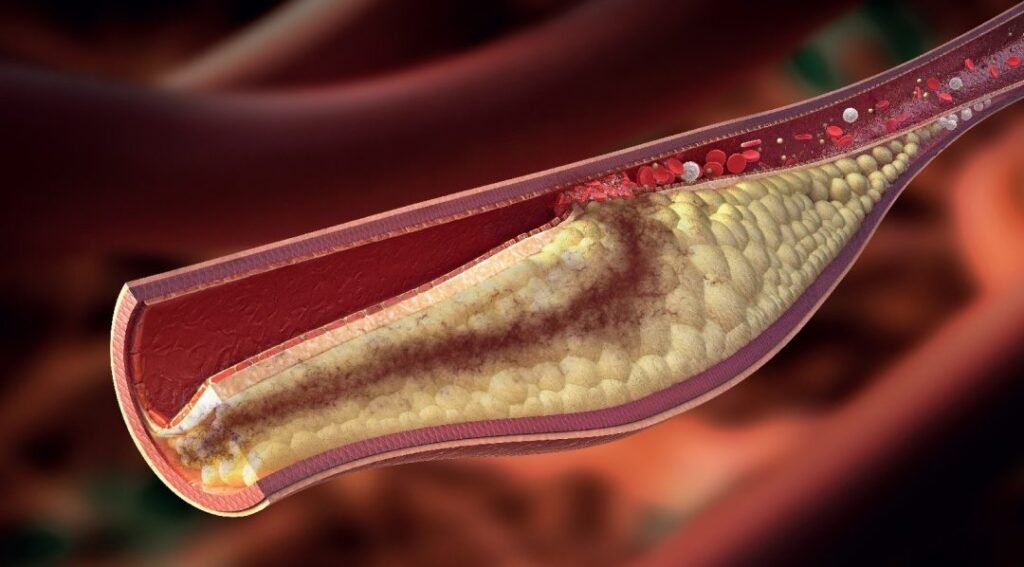
High cholesterolemia refers to elevated levels of cholesterol in the blood. Cholesterol is a lipid that the body needs for several important functions, including producing certain hormones and maintaining cell membranes.
However, cholesterol is transported through the bloodstream by lipoproteins. A cholesterol assessment may therefore include several measurements rather than one overall cholesterol value. These can include:
- Total cholesterol
- Low-density lipoprotein (LDL) cholesterol
- High-density lipoprotein (HDL) cholesterol
- Triglycerides
- Non-HDL cholesterol
The interpretation of these measurements depends on the individual’s overall health profile. Age, medical history, family history, medications, lifestyle habits, and other health factors can all contribute to how cholesterol results are considered.
This is why lifestyle information can be an important part of a cholesterol consultation.
Why Are Lifestyle Factors Included in Cholesterol Assessment?
Lifestyle habits can influence cholesterol levels and provide important information about a person’s overall health. Two individuals with similar cholesterol results may have very different dietary habits, activity levels, medical histories, and health goals.
During an assessment, a healthcare professional may therefore ask questions about everyday routines to understand the wider picture.
Lifestyle factors may help identify areas that could be addressed through practical changes. They can also provide context when reviewing previous cholesterol results or deciding how frequently cholesterol should be monitored.
The goal is not simply to identify individual habits but to understand how different aspects of a person’s lifestyle fit together.
How Is Diet Considered During Cholesterol Assessment?
Diet is one of the key lifestyle areas reviewed during a cholesterol consultation. Instead of looking at one particular food, a healthcare professional may consider the person’s overall eating pattern.
Questions may cover:
- Typical breakfast, lunch, and dinner choices
- Frequency of processed or takeaway foods
- Intake of foods containing saturated fats
- Consumption of fibre-rich foods
- Fruit and vegetable intake
- Use of cooking oils and fats
- Portion sizes
- Sugary foods and drinks
- Frequency of eating outside the home
The purpose is to understand normal eating habits rather than judge individual food choices.
A healthcare professional may then discuss practical dietary adjustments based on the person’s cholesterol profile and wider health needs. Recommendations can be tailored according to existing routines, preferences, cultural eating patterns, and personal goals.
For someone undergoing High cholesterolemia Dubai, discussing realistic dietary habits can therefore be an important part of developing a personalised approach.
How Does Physical Activity Fit Into Cholesterol Assessment?
Physical activity is another important lifestyle factor. During an assessment, the healthcare professional may ask about the type, frequency, and duration of regular movement.
This can include:
- Walking
- Cycling
- Swimming
- Gym-based exercise
- Sports
- Strength training
- Recreational activities
- Daily movement at work or home
The discussion may also consider how much time a person spends sitting during the day.
Rather than assuming that everyone should follow the same exercise routine, the healthcare professional can consider the individual’s current activity level, preferences, schedule, age, and general health.
This can make lifestyle discussions more practical and easier to incorporate into everyday life.
How Is Weight and Body Composition Considered?
Weight-related information may also be included in a cholesterol assessment. Depending on the consultation, a healthcare professional may review body weight, body mass index, waist measurements, or changes in weight over time.
The purpose is to understand the person’s broader health profile rather than rely on a single measurement.
For example, recent changes in weight may provide useful context when reviewing changes in cholesterol results. The assessment may also explore eating patterns, physical activity, and other lifestyle factors associated with those changes.
A personalised approach allows the healthcare professional to consider weight-related information alongside cholesterol measurements and medical history.
How Does Smoking History Affect the Assessment?
Smoking status may be discussed as part of a comprehensive cholesterol and cardiovascular health assessment.
The healthcare professional may ask whether the individual currently smokes, has smoked previously, or is regularly exposed to tobacco smoke. If relevant, the discussion can include the number of cigarettes or other tobacco products used and how long the person has been smoking.
This information helps place cholesterol results within the context of the person’s overall health.
If someone wants to make changes to their smoking habits, the consultation can also provide an opportunity to discuss appropriate support and available approaches.
How Is Alcohol Consumption Discussed?
Alcohol intake may also be reviewed during a lifestyle assessment. A healthcare professional may ask about how frequently alcohol is consumed and the typical amount.
This information can be relevant when looking at the wider metabolic and cardiovascular health picture, particularly when triglyceride levels or other blood test findings are being considered.
The discussion is generally based on the person’s usual pattern rather than an isolated occasion.
Providing accurate information about alcohol consumption allows the healthcare professional to make a more complete assessment and provide appropriate guidance.
Why Is Sleep Included in Lifestyle Assessment?
Sleep is another aspect that may be explored during a comprehensive health consultation.
Questions may include:
- How many hours the person usually sleeps
- Whether their sleep schedule is consistent
- Whether they frequently wake during the night
- Whether they feel rested during the day
- Whether work or lifestyle patterns affect their sleep
Sleep does not need to be considered separately from other lifestyle factors. Daily routines, physical activity, eating patterns, work schedules, and stress levels can all interact with sleep habits.
Reviewing these elements together can provide a broader understanding of the person’s health and daily routine.
How Are Stress and Daily Routines Considered?
Stress and everyday routines can also form part of a lifestyle discussion. A healthcare professional may ask about work patterns, family responsibilities, time pressures, and other factors that influence eating, exercise, sleep, or general self-care.
For example, someone with a demanding work schedule may rely more frequently on convenience foods or have limited time for structured exercise. Recognising these practical circumstances can help make lifestyle recommendations more realistic.
The assessment can therefore focus on achievable changes rather than suggesting an unrealistic routine.
How Does Family History Fit Into Cholesterol Assessment?
Although family history is not a lifestyle factor, it is an important part of the overall cholesterol assessment.
A healthcare professional may ask whether close relatives have had high cholesterol or cardiovascular conditions. The age at which relatives developed certain health problems may also be relevant.
This information can help the healthcare professional understand whether elevated cholesterol may have a familial component and whether additional evaluation may be appropriate.
Family history is considered alongside lifestyle, laboratory results, existing health conditions, and other relevant factors.
What Medical History Is Reviewed Alongside Lifestyle?
Lifestyle assessment is only one part of a comprehensive cholesterol consultation. A healthcare professional may also review:
- Previous cholesterol results
- Blood pressure history
- Blood glucose measurements
- Existing medical conditions
- Current medications
- Previous treatments
- Family health history
- Changes in weight
- Relevant laboratory tests
- Personal health goals
Some medications and health conditions can affect lipid levels, so providing a complete medical history can be useful when interpreting test results.
The healthcare professional can then consider laboratory findings alongside the information gathered during the consultation.
How Are Cholesterol Test Results Interpreted?
Cholesterol results are not usually interpreted in isolation. A healthcare professional may review the different lipid measurements together and compare them with the individual’s wider health profile.
For example, LDL cholesterol, HDL cholesterol, triglycerides, and total cholesterol can provide different pieces of information.
Previous results can also be useful. Looking at cholesterol measurements over time may help identify whether levels have remained relatively stable or changed.
Depending on the assessment, additional blood tests or follow-up monitoring may be discussed.
How Is a Personalised Cholesterol Plan Developed?
After reviewing cholesterol results, lifestyle factors, medical history, and health goals, the healthcare professional can develop an individualised approach.
This may involve discussing:
- Dietary habits
- Physical activity
- Weight management
- Smoking cessation support
- Alcohol intake
- Sleep routines
- Follow-up testing
- Monitoring schedules
- Medication considerations where appropriate
Not every person will require the same approach. Some individuals may primarily need lifestyle guidance and monitoring, while others may require further medical evaluation or treatment discussions.
The plan should reflect the individual’s health profile and circumstances.
What Should You Bring to a Cholesterol Consultation?
Preparing relevant information before an appointment can make the assessment more useful.
Consider bringing or noting:
- Previous cholesterol test results
- Current medication list
- Supplements being used
- Typical dietary habits
- Usual physical activity
- Recent weight changes
- Smoking and alcohol history
- Relevant family medical history
- Questions about cholesterol management
It can also be helpful to keep track of questions you want to discuss with the healthcare professional. This ensures that personal concerns and health goals are included in the consultation.
Understanding High Cholesterolemia Cost in Dubai
The High cholesterolemia Cost in Dubai can vary depending on the type of consultation, laboratory investigations, follow-up requirements, and any additional assessments recommended by the healthcare professional.
A basic consultation may involve reviewing medical and lifestyle history, while a more comprehensive assessment may include laboratory testing and follow-up appointments.
Patients can ask the clinic about the expected consultation process, recommended investigations, and applicable fees before proceeding. Understanding what is included can help individuals plan their care according to their needs.
When Should Cholesterol Be Reassessed?
The timing of cholesterol reassessment depends on the individual’s results, medical history, lifestyle changes, and any treatment being followed.
Some people may require periodic testing, while others may need a follow-up assessment after making specific lifestyle changes or starting a treatment plan.
Rather than following a fixed schedule for everyone, the healthcare professional can recommend an appropriate monitoring interval based on the individual’s circumstances.
Conclusion
Lifestyle factors provide valuable context during cholesterol assessment. Diet, physical activity, weight-related information, smoking, alcohol consumption, sleep, stress, and daily routines can all contribute to a broader understanding of an individual’s health profile.
A comprehensive High cholesterolemia Dubai assessment therefore goes beyond reviewing a single cholesterol number. It combines laboratory results with medical history, family history, lifestyle habits, and personal health goals.
At Dr. Barbara, discussing these factors with a healthcare professional can help create a more personalised approach to cholesterol evaluation and ongoing monitoring. The assessment can also provide an opportunity to review practical lifestyle considerations and determine whether further testing, follow-up, or treatment discussions are appropriate.
Frequently Asked Questions
What lifestyle factors are considered during cholesterol assessment?
Diet, physical activity, weight-related changes, smoking, alcohol consumption, sleep, stress, and daily routines may be discussed alongside medical and family history.
Is diet important when assessing high cholesterol?
Yes. A healthcare professional may review overall eating patterns, including intake of saturated fats, fibre-rich foods, fruit, vegetables, processed foods, and sugary products.
Does exercise form part of a cholesterol assessment?
Yes. The assessment may consider how often a person exercises, what types of activity they perform, and how active they are during their normal day.
Can family history be discussed during a cholesterol consultation?
Yes. Family history can provide useful context when interpreting cholesterol results and understanding an individual’s wider health profile.
Are previous cholesterol tests useful?
Yes. Previous results can help a healthcare professional compare cholesterol levels over time and understand changes in the individual’s lipid profile.
Does smoking history matter during cholesterol assessment?
Smoking status may be reviewed as part of a broader cardiovascular health assessment and can help the healthcare professional understand the individual’s overall health profile.
How is a personalised cholesterol plan created?
A plan may be based on cholesterol results, medical history, lifestyle factors, family history, existing treatments, and the individual’s personal health goals.
What is included in High cholesterolemia Cost in Dubai?
The High cholesterolemia Cost in Dubai may depend on the consultation, laboratory tests, follow-up requirements, and other assessments recommended according to the individual’s needs.
Should I discuss my usual diet during a cholesterol consultation?
Yes. Providing an accurate overview of your usual eating habits can help the healthcare professional understand your lifestyle and provide more relevant guidance.
How often should cholesterol be checked?
The appropriate monitoring schedule varies between individuals. A healthcare professional can recommend follow-up testing based on cholesterol results, health history, lifestyle changes, and any treatment being considered.