A custom project rarely succeeds with a one-size-fits-all solution. From specialized equipment frames to precision components, manufacturers need materials and processes that match exact performance requirements. A reliable metal fabrication shop fl can turn detailed designs into durable, functional parts while keeping quality and production needs in focus. With the right approach, custom fabrication improves design flexibility, product strength, efficiency, and long-term value.
Why Metal Fabrication Matters for Custom Projects
Custom manufacturing often involves dimensions, shapes, materials, and performance requirements that standard products cannot meet. Metal fabrication gives manufacturers greater control over these variables.
Instead of adapting a project to an existing component, businesses can have parts produced around the actual design. This approach is particularly useful when equipment must fit a specific workspace or perform under demanding operating conditions.
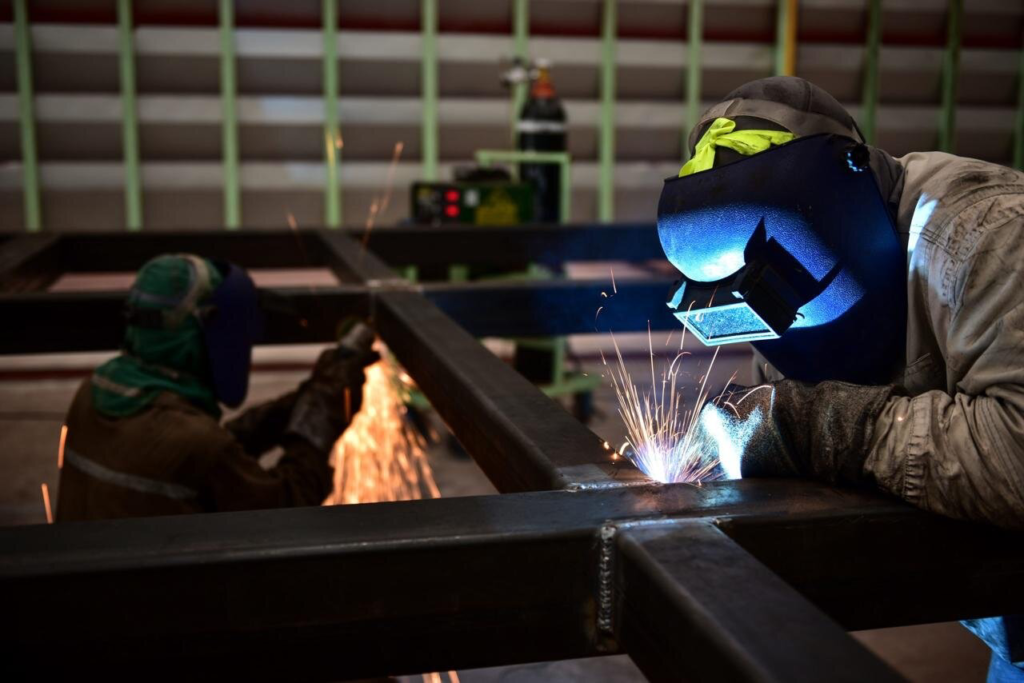
Fabricators can cut, bend, weld, drill, machine, and finish metal according to project specifications. As a result, manufacturers can create components that work together more effectively and reduce unnecessary modifications during installation.
Better Design Flexibility
One of the strongest advantages of metal fabrication is the freedom it gives designers. Custom parts can be developed around unusual dimensions, specialized functions, or specific installation requirements.
Custom Dimensions and Shapes
Standard components may force engineers to compromise on a design. Custom fabrication removes much of that limitation by allowing metal to be formed according to precise measurements.
For example, a manufacturer developing specialized machinery may need a frame that fits into a restricted production area. Rather than redesigning the entire machine, custom-fabricated components can be produced to match the available space.
This flexibility also helps when projects involve:
- Unusual angles or dimensions
- Specialized mounting points
- Custom brackets and supports
- Equipment frames
- Protective enclosures
- Structural components
- Replacement parts for older machinery
The result is a solution designed for the application rather than a product chosen simply because it is available.
Improved Strength and Durability
Industrial components often face vibration, pressure, impact, heat, moisture, or repeated use. Choosing the right material and fabrication method can help components withstand these conditions more effectively.
Metal fabrication allows manufacturers to select suitable materials based on the project’s operating environment. Steel, stainless steel, and aluminum, for example, offer different combinations of strength, weight, corrosion resistance, and workability.
Proper fabrication also matters. Accurate cutting and forming, strong welds, and suitable finishing techniques contribute to the overall performance of the finished component.
Material Selection Makes a Difference
The best material depends on the job rather than simply its price. Manufacturers should consider factors such as:
| Project Requirement | Important Consideration | Potential Material Choice |
|---|---|---|
| High structural strength | Load-bearing capacity | Carbon steel |
| Corrosion resistance | Exposure to moisture or chemicals | Stainless steel |
| Lower weight | Ease of handling and installation | Aluminum |
| Outdoor applications | Weather resistance | Stainless steel or coated steel |
| Heat exposure | Temperature performance | Application-specific alloy |
| General industrial use | Balance of strength and cost | Steel |
Working with an experienced fabricator can help businesses identify a material that meets both performance and budget requirements.
Greater Precision and Consistency
Precision becomes increasingly important when custom components must connect with other parts. Even a small dimensional error can create alignment problems, installation delays, or unnecessary rework.
Modern fabrication processes can provide accurate cuts, bends, holes, and weld locations. Depending on project requirements, fabricators may use computer-controlled equipment and detailed measurements to maintain consistency across multiple components.
This is especially valuable for repeat production. Once specifications are established, the same design can be reproduced with greater consistency, helping manufacturers maintain predictable results.
Faster Problem Solving During Production
Custom projects frequently encounter challenges that are not obvious during the initial design stage. A component may interfere with another part, a mounting point may need adjustment, or the final installation may require a dimensional change.
A capable fabrication partner can help address these issues before they become expensive production problems.
Design Changes Can Be Easier to Manage
When manufacturers work closely with fabricators, they can discuss practical production considerations early in the process. This communication may identify opportunities to simplify a part, improve accessibility, or make installation easier.
For instance, a welded assembly might be redesigned into fewer pieces if that change improves production efficiency without affecting performance. Small improvements like these can make a noticeable difference across a large manufacturing project.
Cost Efficiency for Custom Manufacturing
Custom work does not automatically mean higher overall costs. In many cases, carefully planned fabrication can reduce expenses by minimizing waste, assembly time, maintenance needs, and replacement requirements.
A custom component may cost more initially than a basic off-the-shelf alternative. However, if it fits correctly, lasts longer, and requires fewer modifications, its total value can be greater over the project’s lifecycle.
Reduce Material Waste
Accurate measurements and modern cutting techniques help fabricators use raw materials more efficiently. Better planning can reduce unnecessary scrap while ensuring that each component meets the required specifications.
Manufacturers should also provide complete drawings and specifications whenever possible. Clear project information helps prevent mistakes that could result in remakes or wasted material.
Easier Integration With Existing Equipment
Many industrial projects involve upgrading or modifying equipment that is already in operation. Standard components may not fit older machinery or specialized systems.
Custom fabrication provides a practical way to bridge that gap.
A manufacturer can request brackets, guards, supports, frames, panels, or other parts designed specifically for existing equipment. This can allow businesses to improve their systems without replacing entire machines.
That flexibility is valuable when equipment is expensive, difficult to replace, or still capable of delivering reliable performance.
Supports Prototyping and Product Development
Metal fabrication is also useful when manufacturers are developing new products. Before committing to large-scale production, businesses often need prototypes or test components.
A fabricated prototype can help engineers evaluate dimensions, strength, functionality, and installation requirements.
Prototypes Reveal Practical Issues
A design may appear effective on paper but behave differently when converted into a physical product. Fabricated prototypes provide an opportunity to identify these problems early.
Manufacturers can then adjust dimensions, material thickness, mounting locations, or structural features before moving into larger production runs.
This process can save time because corrections made during development are generally easier to manage than changes made after mass production begins.
More Control Over Finishing and Appearance
Fabrication does not stop once metal has been cut and assembled. Finishing can influence both appearance and performance.
Depending on the application, manufacturers may require coatings, polishing, painting, grinding, or other finishing processes. These treatments can help protect surfaces and give finished components a suitable appearance.
For customer-facing equipment or architectural applications, appearance may be just as important as functionality. A clean, accurately finished component can contribute to a professional final product.
Better Support for Complex Projects
Some manufacturing projects require multiple fabrication techniques. A single component may need cutting, bending, drilling, welding, grinding, and finishing before it is ready for installation.
Coordinating these steps through an experienced fabrication provider can simplify project management.
One Fabricated Component Can Replace Several Parts
Custom fabrication can sometimes combine multiple standard components into a single assembly. This may reduce the number of fasteners, connections, and individual parts required.
Fewer components can mean simpler installation and fewer potential points of failure. It may also make maintenance easier because technicians have fewer separate pieces to inspect or replace.
How to Get Better Results From a Fabrication Project
Manufacturers can improve project outcomes by preparing carefully before production begins.
Consider these practical steps:
- Provide accurate drawings: Include dimensions, tolerances, material requirements, and critical specifications.
- Explain the application: Tell the fabricator how and where the component will be used.
- Identify environmental conditions: Mention exposure to moisture, chemicals, heat, vibration, or heavy loads.
- Discuss production quantities: Prototype requirements may differ from larger production runs.
- Review finishing requirements: Specify coating, painting, polishing, or corrosion-protection needs.
- Confirm tolerances: Critical dimensions should be clearly identified before fabrication starts.
- Communicate changes quickly: Early updates can prevent unnecessary rework.
Good communication is one of the simplest ways to avoid production delays. It also gives the fabricator enough information to recommend practical solutions.
When Custom Metal Fabrication Is the Right Choice
Custom fabrication makes the most sense when standard products cannot meet a project’s requirements. It is particularly useful when exact dimensions, high durability, specialized materials, or equipment compatibility are important.
Businesses should consider custom work when they need:
- Components with non-standard dimensions
- Specialized structural assemblies
- Replacement parts for discontinued equipment
- Prototypes for new products
- Custom machine frames
- Industrial enclosures
- Heavy-duty brackets and supports
- Components designed for demanding environments
The decision should ultimately be based on the project’s functional requirements, production volume, timeline, and long-term costs.
Conclusion
Custom manufacturing depends on components that fit the job rather than forcing the job to fit the component. Metal fabrication gives manufacturers greater control over dimensions, materials, strength, precision, finishing, and integration. It can also support prototyping, equipment upgrades, and efficient production while helping reduce costly modifications. By providing clear specifications and working closely with an experienced fabricator, businesses can turn complex requirements into practical, durable solutions. For projects where standard parts fall short, custom fabrication offers a dependable path toward better performance, easier installation, and long-term value.
FAQs
1. What is metal fabrication used for?
Metal fabrication is used to create custom components and assemblies through processes such as cutting, bending, welding, drilling, and finishing. It supports industries ranging from manufacturing and construction to transportation and equipment production.
2. Is custom metal fabrication more expensive than standard parts?
The initial cost can sometimes be higher, but custom fabrication may provide better overall value when it reduces modifications, installation problems, maintenance needs, or premature replacement.
3. Which metals are commonly used in custom fabrication?
Steel, stainless steel, and aluminum are among the most common choices. The appropriate material depends on factors such as strength, weight, corrosion resistance, operating conditions, and budget.
4. Can metal fabrication support product prototypes?
Yes. Fabrication is useful for creating physical prototypes that allow engineers to test dimensions, functionality, fit, and structural performance before larger production runs.
5. How can manufacturers prepare for a fabrication project?
Manufacturers should provide accurate drawings, dimensions, material specifications, tolerances, expected quantities, finishing requirements, and information about the component’s operating environment.