
The roofline is one of the most overlooked parts of a property, yet fascias and soffits play an important role in protecting the roof structure from weather, moisture and pests. When these components become damaged or deteriorated, problems can gradually spread to gutters, roof edges and timber structures.
For homeowners and property managers looking at Fascias and Soffits Clacton-on-Sea, understanding the purpose, materials and maintenance requirements of these roofline components can help prevent avoidable repairs and improve the long-term condition of a property.
What Are Fascias and Soffits?
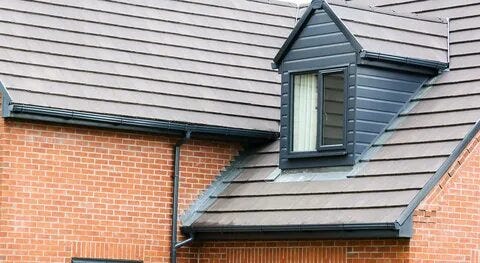
Fascia boards are positioned along the lower edge of a roof and commonly support the guttering system. They provide a finished appearance to the roofline while helping protect the underlying structure.
Soffits are located underneath the fascia and extend beneath the roof overhang. They help close the gap between the roof and the exterior wall while allowing appropriate ventilation into the roof space.
Together, fascias and soffits can help:
- Support and secure guttering
- Protect roof edges from rain and moisture
- Reduce opportunities for birds and insects to enter roof spaces
- Improve roofline ventilation
- Provide a clean and finished exterior appearance
Because these components are exposed to the UK’s changing weather conditions, regular inspection is worthwhile.
Why Roofline Maintenance Matters in Coastal Areas
Properties around Clacton-on-Sea can experience challenging weather conditions, including strong winds, heavy rainfall and coastal exposure. Over time, moisture can contribute to deterioration, particularly where older timber roofline components have not been maintained.

Common warning signs include:
- Peeling or flaking paint
- Cracked or warped fascia boards
- Rot around timber sections
- Loose or sagging guttering
- Water staining beneath the roofline
- Gaps around soffit panels
- Blocked or inadequate ventilation
- Evidence of birds or insects entering the roof space
A small roofline defect does not necessarily mean the entire system needs replacing. However, identifying the cause early can help prevent a relatively minor issue from becoming a more extensive roof repair.
uPVC Fascias and Soffits: A Practical Alternative
One of the most common modern options is uPVC Fascias and Soffits Clacton-on-Sea, particularly for homeowners looking for a lower-maintenance alternative to traditional timber.
uPVC is resistant to rot and does not require regular painting in the same way as timber. It is also available in different colours and profiles, allowing the roofline to complement the existing exterior of a property.
However, material selection should not be based on appearance alone. The condition of the underlying roof edge, ventilation requirements, gutter arrangement and installation quality should all be considered.
For example, simply covering damaged timber with new boards may not address an underlying moisture problem. A proper assessment should establish whether the existing structure is sound before new roofline materials are installed.
Choosing the Right Roofline Solution
When considering new fascias and soffits, property owners should assess several factors rather than focusing solely on the visible finish.
1. Inspect the Existing Structure
Before installation, check for signs of rot, dampness or structural deterioration. Damaged sections may require repair or replacement before the new roofline is fitted.
2. Consider Ventilation
Adequate ventilation is important because trapped moisture within a roof space can contribute to condensation and timber deterioration. Soffit systems should therefore be designed with appropriate ventilation provisions where required.
3. Check Guttering
Fascias and gutters work together. Loose brackets, incorrect falls or damaged guttering can allow water to reach areas that should remain protected. It makes sense to inspect the complete roofline rather than treating fascia damage as an isolated problem.
4. Prioritise Installation Quality
Even good-quality materials can perform poorly when incorrectly installed. Secure fixings, suitable joints, correct alignment and appropriate ventilation all contribute to a durable roofline.
The term Facias and Soffits Clacton-on-Sea UK is sometimes used when searching for these services, although “fascias” is the standard spelling. Understanding both terminology variations can make it easier for property owners to find relevant information.
When Should Fascias and Soffits Be Replaced?
Replacement may be appropriate when roofline components have extensive rot, persistent water damage, significant warping or structural weakness. It may also make sense when an older roofline system is approaching the end of its useful service life and requires repeated repairs.
Not every cosmetic issue requires complete replacement. Minor damage may sometimes be repaired, depending on the material and condition of the surrounding structure.
A practical approach is to compare the extent of the existing damage with the likely maintenance requirements and expected lifespan of the replacement system.

For local property owners researching roofline work, D and B Roofing provides information about Fascias and Soffits Clacton-on-Sea and related roofline considerations.
Final Thoughts
Fascias and soffits perform more than a decorative function. They form an important part of the roofline, helping manage rainwater, protect roof edges and maintain the condition of the property.
Regular inspections can identify problems such as rot, loose guttering, damaged soffits and poor ventilation before they develop into more significant issues. For properties exposed to coastal weather, this type of preventative maintenance can be particularly valuable.
Whether traditional timber requires repair or a modern uPVC system is being considered, the key is to assess the complete roofline and address the underlying cause of any damage. Good materials, appropriate ventilation and professional installation can all contribute to a more reliable and longer-lasting roofline system.