
Plumbing emergencies rarely happen at a convenient time. A burst pipe, overflowing toilet, blocked drain, failed hot water system, or sudden loss of water can quickly disrupt a home or business. When a problem occurs outside normal business hours, finding a dependable plumber becomes a priority rather than something that can wait until the following morning.
Searching for the best 24 hour plumbing service near me can produce many results, but not every provider offers the same level of availability, experience, response time, or emergency support. Knowing what to check before choosing a plumber can help property owners make a more informed decision when time is critical.
For households and businesses in Melbourne, understanding the difference between genuine 24-hour emergency plumbing and standard after-hours availability is particularly important. A reliable emergency plumbing provider should be equipped to assess urgent problems, reduce immediate risks, and determine the appropriate repair strategy.
What Counts as a Plumbing Emergency?
Not every plumbing issue requires an emergency callout. Some problems can safely wait for a scheduled appointment, while others can cause significant property damage if they are not addressed promptly.
Common examples of plumbing emergencies include:
- Burst or severely leaking water pipes
- Major water leaks inside walls or ceilings
- Overflowing toilets that cannot be contained
- Serious sewer or wastewater problems
- Sudden loss of essential water supply
- Gas-related plumbing concerns requiring qualified assistance
- Blocked drains causing flooding or wastewater backup
- Hot water system failures where immediate attention is necessary
- Water entering electrical areas or creating structural risks
The first priority during a plumbing emergency should always be safety. If water is spreading rapidly, shutting off the property’s main water supply can sometimes limit damage while professional assistance is arranged.
Where electrical equipment or wiring may have been exposed to water, occupants should avoid contact with the affected area and follow appropriate electrical safety procedures.
How to Evaluate a 24-Hour Plumbing Service
A search engine result alone does not establish whether a plumbing company is suitable for an emergency. Several practical factors can help distinguish an established emergency provider from a service that simply advertises after-hours assistance.
1. Confirm Genuine 24-Hour Availability
The term “24 hour” should mean that emergency assistance is available outside ordinary business hours, including nights, weekends, and public holidays where stated.
Before relying on a provider, check whether the company clearly explains its emergency availability. Some businesses may have limited after-hours arrangements rather than a continuous emergency service.
2. Check Licensing and Qualifications
Plumbing work should be carried out by appropriately licensed and qualified professionals. Licensing requirements vary by jurisdiction, so Melbourne property owners should consider the relevant Victorian requirements when assessing a plumber.
Qualified professionals should understand applicable plumbing standards, safe installation practices, and the correct procedures for repairing water, drainage, sewer, and other plumbing systems.
3. Look at Relevant Emergency Experience
Emergency plumbing requires more than basic repair knowledge. A plumber may need to identify the source of a leak quickly, isolate a water supply, assess potential damage, and determine whether temporary or permanent repairs are appropriate.
Experience with situations such as burst pipes, blocked drains, sewer issues, leaking fixtures, and hot water problems can be valuable when choosing an emergency service.
4. Assess Communication
Clear communication matters during an emergency. A professional provider should be able to explain what information is needed before attending, what the customer can safely do while waiting, and what the likely next steps may involve.
A useful emergency conversation may include:
- The type of plumbing problem
- Where the problem is occurring
- Whether water is still flowing
- Whether the main water supply has been isolated
- Whether wastewater is involved
- Whether the property is residential or commercial
- Any visible property or structural damage
Providing accurate information can help a plumber prepare for the callout.
Why Response Time Matters in Plumbing Emergencies
Water damage can escalate quickly. A small leak may initially appear manageable but become more serious if it continues for several hours.
For example, a burst pipe inside a wall can release substantial quantities of water before the source becomes obvious. Moisture can affect plasterboard, flooring, cabinetry, insulation, and other building materials. Prolonged damp conditions may also contribute to mould and deterioration.
This is why people searching for the best 24 hour plumbing service near me should consider response procedures rather than relying solely on advertising claims.
A good emergency process generally involves:
- Receiving the emergency details.
- Establishing the immediate risk.
- Providing basic safety guidance where appropriate.
- Dispatching an available qualified plumber.
- Locating and isolating the source of the problem.
- Carrying out an appropriate emergency repair or temporary measure.
- Explaining any recommended follow-up work.
Fast attendance is useful, but speed should not replace safe and technically appropriate workmanship.
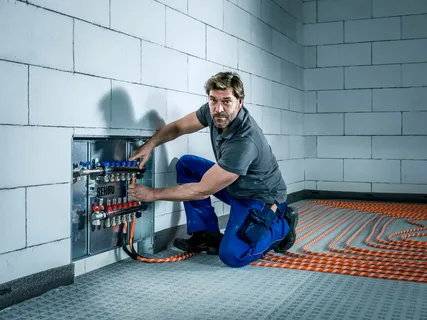
Common Emergency Plumbing Problems and Practical Responses
Different plumbing emergencies require different approaches. Understanding the basic principles can help property owners respond sensibly while waiting for professional assistance.
Burst Pipes
A burst pipe can release large amounts of water rapidly. If it is safe to do so, turning off the main water supply can reduce further damage. Electrical hazards should be treated separately, particularly where water has reached electrical outlets, appliances, or wiring.
Blocked Drains
A blocked drain may cause slow drainage, unpleasant odours, or wastewater backup. If multiple fixtures are affected simultaneously, the problem may be located deeper within the drainage system.
Avoid repeatedly forcing large quantities of water through a severely blocked system, as this can worsen an overflow.
Overflowing Toilets
A continuously running or overflowing toilet should be isolated quickly where possible. The shut-off valve may help stop additional water entering the cistern. If the problem involves a significant sewer blockage, professional assessment may be necessary.
Hot Water Failures
Loss of hot water is inconvenient, but the appropriate response depends on the type of system and the underlying fault. Leaking cylinders, unusual pressure, electrical concerns, or gas-related issues should be assessed by suitably qualified professionals.
Trends Influencing Emergency Plumbing Services
The plumbing industry is increasingly influenced by technology, preventative maintenance, water efficiency, and customer expectations.
Modern diagnostic equipment can help plumbers identify some problems without unnecessarily opening walls or floors. CCTV drain inspection, electronic leak detection, pressure testing, and other diagnostic methods may assist with locating faults more accurately.
Preventative maintenance is another growing area. Instead of waiting for a pipe, drain, or fixture to fail, property owners can identify warning signs such as:
- Persistent dripping
- Reduced water pressure
- Slow drainage
- Recurring blockages
- Damp patches
- Unexplained increases in water consumption
- Unusual noises from pipes
- Sewer odours
Addressing these warning signs early can sometimes prevent a minor issue from becoming an emergency.
For commercial properties, preventative plumbing maintenance can be particularly important because plumbing failures may interrupt employees, customers, tenants, or business operations.
Questions to Ask Before Hiring an Emergency Plumber
When comparing emergency plumbing providers, asking a few direct questions can clarify what the service actually includes.
Consider asking:
- Are emergency callouts available 24 hours a day?
- Are weekends and public holidays covered?
- Is the plumber appropriately licensed for the required work?
- What types of emergencies are handled?
- How is the callout or service fee calculated?
- Will the plumber explain the repair before additional work begins?
- Can the company provide temporary solutions when a permanent repair requires additional parts or work?
- Does the service cover residential, commercial, or both types of properties?
Transparent answers can make it easier to compare providers objectively.
For example, Pro Tap Plumbing and Maintenance is one Melbourne-based provider that can be considered when researching emergency plumbing options. The important point for property owners is to evaluate any provider based on qualifications, availability, communication, relevant experience, and suitability for the specific emergency rather than relying on marketing language alone.
How to Prepare Before a Plumbing Emergency Happens
The best time to prepare for a plumbing emergency is before one occurs.
Homeowners and property managers can take several simple steps:
- Locate the property’s main water shut-off valve.
- Know where individual fixture isolation valves are located.
- Keep important plumbing contacts accessible.
- Check visible pipes and fittings periodically.
- Address recurring leaks and blockages.
- Avoid flushing unsuitable materials down toilets.
- Do not ignore unexplained water stains or dampness.
- Keep basic information about the property’s plumbing system available.
Property managers can go a step further by maintaining emergency procedures for tenants and staff. Clear instructions can reduce confusion when a serious leak or drainage problem occurs.
Conclusion
Finding the best 24 hour plumbing service near me is not simply about choosing the first company that appears in search results. Emergency plumbing decisions should consider genuine availability, licensing, relevant experience, response procedures, communication, safety, and the provider’s ability to address the particular problem.
A plumbing emergency can become significantly more expensive when water damage or wastewater exposure is allowed to continue. Knowing how to isolate water safely, recognising warning signs, and having reliable professional contacts prepared can reduce unnecessary disruption.