The custom apparel printing industry offers several technologies for creating high-quality designs, and DTF and sublimation are among the most popular. Many printing businesses already have a sublimation printer and wonder whether they can use it for DTF with sublimation printer applications. Although both methods use heat during the transfer process, they use different inks, materials, and printing techniques. Understanding these differences is essential before attempting to use a sublimation printer for DTF production.
What Is DTF With a Sublimation Printer?
DTF with sublimation printer generally refers to using a compatible sublimation-style printer or converting suitable equipment for Direct-to-Film printing. DTF printing requires pigment-based DTF ink, PET transfer film, adhesive powder, and a heat source for curing.
How Is DTF Different From Sublimation?
Traditional sublimation uses special dye-sublimation ink that bonds with polyester fibers when heated. DTF printing uses pigment ink printed onto PET film. After printing, hot-melt adhesive powder is applied and cured before the design is transferred to fabric.
Because the two systems use different inks and processes, a sublimation printer cannot automatically become a DTF printer simply by changing the film.
Can a Sublimation Printer Be Used for DTF?
Some compatible printer models may be converted for DTF applications, but compatibility depends on the printhead, ink delivery system, software, and printer design.
Check Printer Compatibility
Before attempting a conversion, check whether the printer can safely handle DTF pigment ink. The ink system should be suitable for the required viscosity and maintenance process.
Consider White Ink Requirements
Many DTF designs require white ink to create an opaque base, particularly when printing on dark garments. A standard sublimation printer is generally not designed for a DTF white-ink workflow, so this is an important consideration.
How Does DTF Printing Work?
Step 1: Print the Design
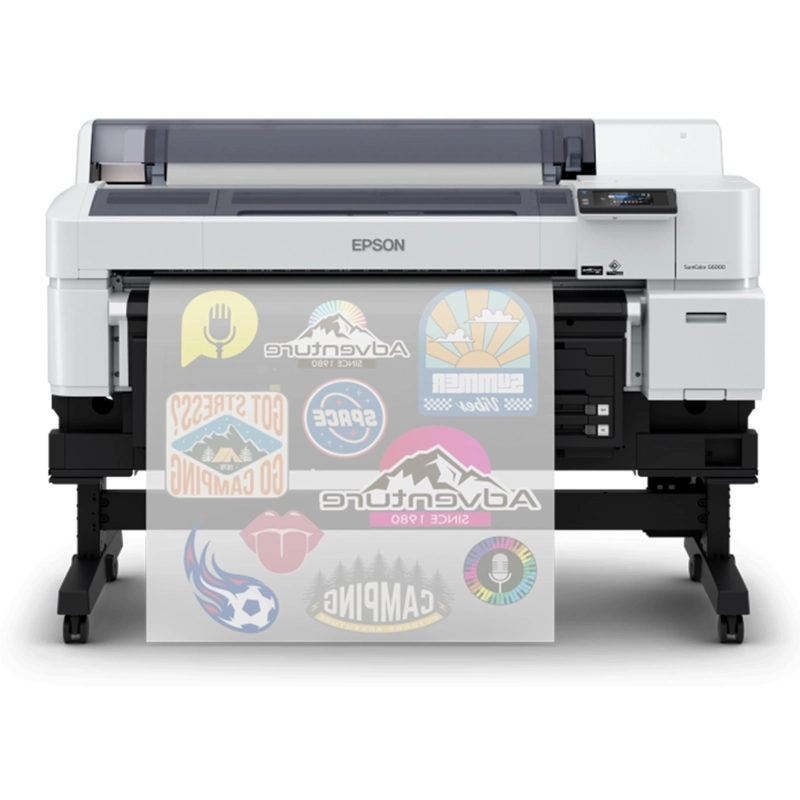
The artwork is printed in reverse onto specialized DTF PET film using compatible DTF pigment inks.
Step 2: Apply Adhesive Powder
Hot-melt adhesive powder is applied to the wet printed design. Excess powder is removed before the film is cured.
Step 3: Cure and Heat Press
The adhesive is cured using controlled heat. The finished transfer is then placed on the garment and heat pressed using suitable temperature, pressure, and time settings.
Benefits of Using DTF Technology
Works on Multiple Fabrics
One major advantage of DTF is its versatility. Transfers can be applied to cotton, polyester, blends, and several other suitable fabrics.
Vibrant and Detailed Prints
DTF can produce colorful designs, fine details, gradients, and graphics with a strong visual impact.
Suitable for Custom Orders
DTF printing is useful for small personalized orders as well as larger production runs, making it a flexible option for apparel businesses.
Important Tips Before Conversion
Use Compatible DTF Supplies
Use DTF-specific ink, PET film, adhesive powder, and appropriate curing equipment. Do not assume sublimation materials can be substituted for DTF supplies.
Follow Maintenance Procedures
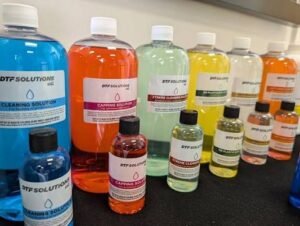
DTF pigment ink, especially white ink, requires proper maintenance. Regular cleaning and correct storage procedures can help reduce ink-related problems.
Conclusion
DTF with sublimation printer can be possible with certain compatible equipment, but it should not be treated as a simple ink-and-paper swap. DTF and sublimation use different inks, films, and transfer processes. Before converting a printer, carefully check compatibility and understand the maintenance requirements. With the right equipment and materials, DTF printing can provide vibrant, durable transfers across a wide range of apparel and fabric types.