Shipping is an important part of selling products, especially for e-commerce businesses, wholesalers, retailers, and companies that regularly send orders to customers. A product may pass through several stages of handling before it reaches its final destination, making suitable packaging essential for protection and presentation.
Custom shipping packaging boxes give businesses the opportunity to create packaging according to the size, weight, and protection requirements of their products. At the same time, customized printing can turn an ordinary shipping carton into an extension of the brand. This combination of functionality and presentation can help businesses create a more consistent customer experience.
Why Shipping Packaging Matters
The primary purpose of shipping packaging is to protect products during transportation. Boxes may be handled by warehouse employees, delivery services, and customers, so the packaging needs to be suitable for the product and shipping conditions.
A box that is too large can leave excessive empty space, allowing products to move around during transportation. On the other hand, a box that is too small may make it difficult to place the product inside safely.
Choosing appropriate dimensions helps create a more secure fit. Businesses can also consider inserts, dividers, pads, and other internal supports when products require additional protection.
Choosing the Right Shipping Box Structure
Different products can require different box styles. RSC boxes are commonly used for shipping because they feature flaps that can be closed and secured with shipping tape. They are suitable for many e-commerce orders, wholesale packages, warehouse applications, and heavier products.
Mailer boxes offer another option for businesses that want a convenient opening experience. Their attached lid and locking construction can provide a practical solution for smaller and lightweight products such as apparel, books, cosmetics, and promotional kits.
The ideal structure depends on the product, quantity, shipping method, and desired customer experience.
Selecting the Right Material
Material selection is one of the most important decisions when developing shipping packaging. Corrugated board is widely used because its fluted structure can provide cushioning and strength.
Different flute profiles offer different levels of support. Businesses can select a structure based on product weight, fragility, stacking requirements, and shipping conditions. For heavier or more delicate products, stronger constructions may be appropriate.
Kraft cardboard can provide a natural appearance and is often considered for businesses looking for a practical packaging style. White cardboard, meanwhile, provides a bright surface that can be useful when colorful branding and detailed artwork are important.
Custom Sizing Reduces Unnecessary Space
Every product has its own dimensions, which is why standard box sizes are not always the most efficient solution. Custom sizing allows businesses to develop boxes according to the actual length, width, and height of the product.
Proper sizing can help reduce unnecessary movement inside the package. It can also make the overall packaging look more organized when the customer opens the shipment.
When inserts, dividers, or cushioning are required, these elements should be considered when determining the internal dimensions of the box.
Protecting Fragile Products With Inserts
Some products require more than an outer box for protection. Glass bottles, cosmetics, electronics, candles, jars, and other delicate items may benefit from custom internal supports.
Inserts can include dividers, pads, foam, and partitions. Their purpose is to help keep individual products in fixed positions and reduce unnecessary movement or contact between items.
For businesses shipping multiple products in one carton, properly designed inserts can also improve organization and make the package easier to unpack.
Turning Shipping Boxes Into Brand Packaging
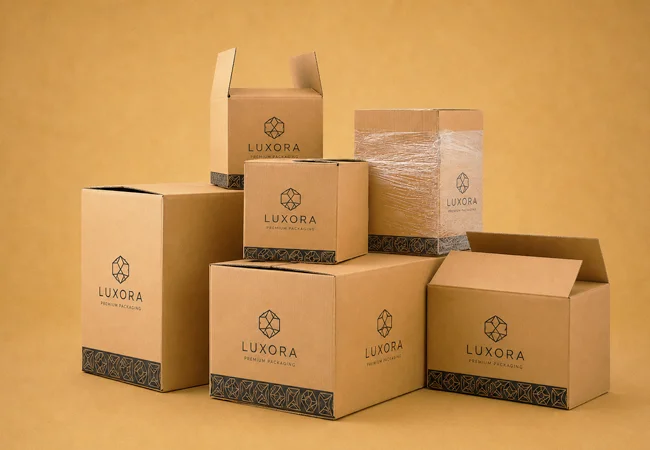
Shipping boxes do not have to look generic. Businesses can use the exterior surface to display logos, brand names, product information, handling instructions, QR codes, or other design elements.
This is particularly useful for e-commerce businesses because the shipping package may be the first physical interaction a customer has with a brand.
Consistent packaging can make orders more recognizable and help reinforce the company’s visual identity. Even simple branding elements, such as a logo and a short message, can make a standard carton feel more connected to the business.
Inside Printing for a Better Unboxing Experience
The inside of a shipping box can also be used for branding and communication. Instead of leaving the interior blank, businesses can add thank-you messages, product-care instructions, reorder information, loyalty details, QR codes, or customer-support information.
This can make the unboxing experience more engaging while providing useful information without requiring additional printed materials.
For brands that sell directly to consumers, interior printing can be especially effective because it adds another opportunity to communicate with the customer.
Digital and Flexographic Printing
The right printing method depends on factors such as order quantity, artwork complexity, colors, and how frequently the packaging design changes.
Flexographic printing can be suitable for larger and recurring orders with relatively simple logos, text, labels, and limited-color artwork. Digital printing can be useful for detailed graphics, colorful designs, shorter production runs, and seasonal packaging campaigns.
Businesses should consider their packaging volume and design requirements before choosing a printing method.
Finishing Options for Custom Packaging
Finishing can change the appearance and feel of shipping packaging. Depending on the box material and design, businesses may consider options such as matte or gloss lamination, UV coating, varnish, soft-touch coating, embossing, debossing, and foil details.
These features are particularly useful when shipping boxes are also intended to create a premium customer experience.
However, finishing should be selected according to the purpose of the package. A simple logo and clean design may be more appropriate for warehouse shipping, while a consumer-facing e-commerce box may benefit from more detailed branding.
Sustainable Shipping Packaging
Businesses are also paying greater attention to the materials used in their packaging. Paper-based and corrugated materials can provide practical options for companies looking to consider recyclability and responsible packaging choices.
Using appropriately sized boxes can also help reduce unnecessary material and empty space. Instead of selecting an oversized carton, businesses can develop packaging around the dimensions of the actual product.
A sustainable approach should still maintain adequate product protection. Damaged products can create additional waste, so material selection and structural strength remain important considerations.
Shipping Boxes for E-Commerce Businesses
E-commerce businesses depend heavily on shipping packaging because products are delivered directly to customers. A package must protect the contents while also representing the brand.
A professionally designed shipping box can help create consistency across different orders. Whether the customer purchases apparel, cosmetics, books, electronics, household products, or other items, branded packaging can provide a recognizable delivery experience.
For growing online businesses, standardized packaging sizes can also make warehouse operations more organized and simplify repeat ordering.
Wholesale and Bulk Packaging Requirements
Wholesale businesses and companies with high shipping volumes may need large quantities of packaging on a regular basis. Ordering custom wholesale boxes in bulk can help maintain consistent sizing, branding, and presentation across shipments while supporting the ongoing packaging needs of growing businesses.
Before committing to a large production run, businesses should evaluate the box structure, dimensions, material strength, artwork, printing quality, and product fit. Physical samples can also help confirm that the packaging works as expected before larger quantities are produced.
This preparation can reduce the chances of packaging problems and support more consistent operations, especially for businesses managing regular orders and large-scale shipping requirements.
Making Packaging Part of the Customer Experience
Packaging can influence how customers perceive a business. A damaged or poorly fitted box may create concerns, while a secure and thoughtfully designed package can make the delivery feel more professional.
The combination of appropriate materials, accurate sizing, internal protection, and branded artwork can turn a basic shipment into a more complete customer experience.
For e-commerce brands, this can be particularly valuable because packaging is one of the few physical marketing touchpoints customers experience after placing an online order.
Final Thoughts
Shipping packaging needs to perform several functions at once. It should protect products during transportation, provide an appropriate fit, support efficient handling, and represent the brand professionally.
With custom dimensions, corrugated materials, inserts, printing, and finishing options, businesses can develop packaging around their specific products and shipping requirements. Whether a company ships individual e-commerce orders, wholesale quantities, fragile products, or promotional kits, carefully planned packaging can provide both practical protection and a stronger brand presentation.
For businesses looking to improve the way their products are shipped and presented, customized shipping boxes offer a flexible solution that brings together protection, functionality, and branding.