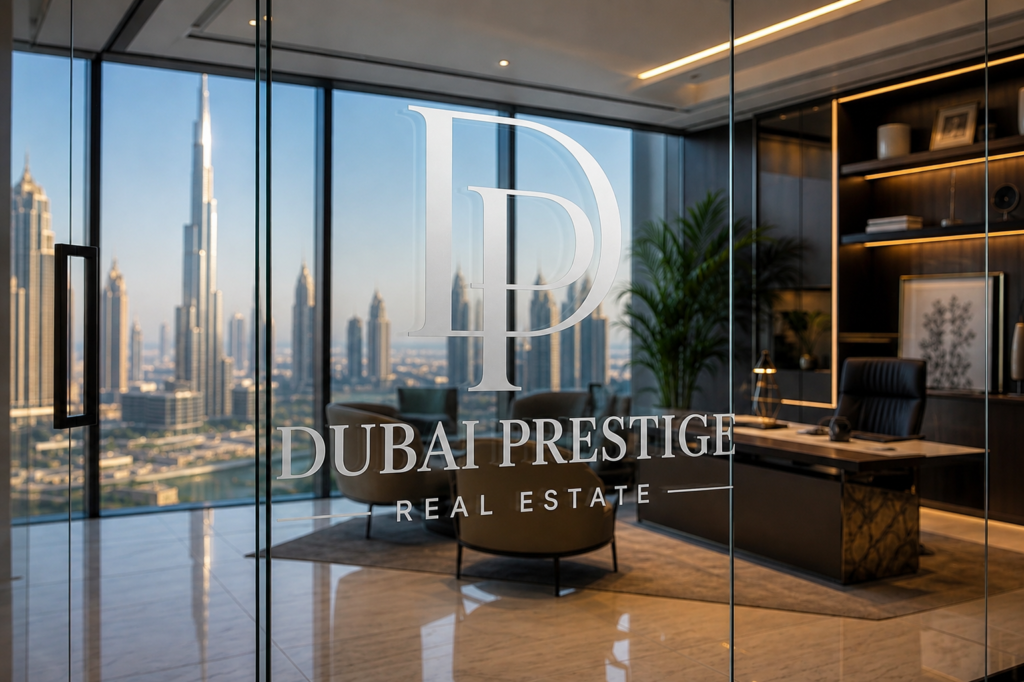
Glass is widely used in modern offices and commercial interiors because it creates an open appearance and helps natural light move between spaces. The same transparency, however, can become a concern when meeting rooms, reception areas, workstations, or consultation spaces need some visual separation.
A Glass Sticker can be used to manage that balance without replacing the existing glass. Depending on the purpose of the room, businesses can choose full coverage, partial frosting, decorative patterns, branding elements, or simple eye-level designs. This makes glass treatment suitable for offices, clinics, hotels, showrooms, retail stores, and other commercial environments in Dubai.
Why Businesses Use Frosted Glass Treatments
The main purpose is not simply to make glass look different. A carefully planned design can help a space perform better while keeping its modern character.
For example, an office meeting room may need less visibility from the corridor, while a reception door may need company branding. A retail window could require a decorative treatment that still leaves important areas visible to customers.
Common reasons for using frosted glass treatments include:
- Reducing direct views into private areas
- Creating clearer visual separation between rooms
- Adding branding to entrances and partitions
- Improving the appearance of plain glass
- Keeping natural light while limiting visibility
- Giving different areas a more defined identity
Because the design can be applied selectively, businesses do not necessarily have to cover an entire glass panel.
Glass Partitions in Offices
Glass partitions are common in contemporary workplaces because they divide areas without creating the heavy appearance of solid walls. They are often used around meeting rooms, manager cabins, conference spaces, and shared work areas.
The issue is that clear partitions provide little visual separation. Employees and visitors may be able to see directly into rooms during meetings or conversations.
A partial frosted design can solve this by placing coverage where it is most useful, particularly around eye level. For a room that requires greater discretion, broader coverage may be more appropriate.
The right amount of frosting depends on what happens behind the glass. A general workspace may only need a narrow visual break, while a meeting or consultation room may require much more.
Meeting Rooms and Conference Areas
Meeting rooms often need a balance between openness and privacy. Completely clear glass can make private discussions feel exposed, while solid walls remove the visual connection that many modern offices are designed around.
One practical approach is graduated glass frosting, where the finish moves gradually between clearer and more obscured sections. This can create a softer transition than a solid block of frosting and may suit boardrooms, executive rooms, and contemporary office interiors.
Another option is to place frosting across a central section of the panel while leaving the upper and lower areas clearer. This keeps the room visually connected while reducing direct views at seated or standing eye level.
Reception Doors and Entrance Glass
Entrance doors and reception panels often serve both functional and visual purposes. Visitors should be able to recognise the business space easily, but a completely plain glass surface may offer little opportunity for identity or visual guidance.
A simple frosted treatment can introduce lettering, a logo, or a clean pattern without turning the entrance into a heavy signboard.
For branded spaces, cut-out logo lettering in frosted vinyl can create a subtle effect where the company identity becomes part of the glass itself. This approach can work well on office entrances, reception partitions, and meeting-room doors where branding needs to remain professional and understated.
The placement matters as much as the design. A logo that is aligned correctly with the door, surrounding furniture, and neighbouring panels usually creates a more balanced appearance.
Privacy for Clinics and Professional Spaces
Clinics, consultation rooms, HR offices, legal workplaces, and other professional settings may require more control over visibility than a general office.
In these environments, frosting can be positioned around the areas where privacy matters most. Full-panel coverage may suit rooms where conversations or activities should remain visually screened. Partial frosting can be sufficient when only direct sightlines need to be reduced.
The benefit is that the glass can still contribute to a bright interior instead of being replaced completely with a solid partition.
Retail Stores and Showrooms
Glass in retail and showroom environments has a different role. Businesses may want customers to see products and displays while also using the surrounding glass for branding or decoration.
A combination of translucent frosting and visual graphics can turn windows, internal partitions, or display panels into part of the overall presentation.
Frosted graphics with printed branding can incorporate selected colours, text, artwork, or business elements while maintaining the soft appearance associated with frosted glass. This can be useful around storefronts, showroom entrances, reception areas, and promotional displays.
The design should support the purpose of the glass rather than obscure everything behind it. Important product displays, entrances, or customer information should remain easy to see where visibility is part of the space’s function.
Decorative Patterns for Commercial Interiors
Not every glass treatment needs to be focused on privacy. Decorative designs can also help plain panels fit the character of a commercial interior.
Geometric patterns, lines, curved forms, and other cut details can add visual interest without making the glass feel overcrowded. A repetitive pattern can also help create consistency when several partitions are positioned next to one another.
For hotels, restaurants, showrooms, salons, and creative offices, decorative frosting can become part of the interior design rather than an isolated feature.
The most suitable pattern depends on the surrounding space. Minimal interiors often work well with simple lines or subtle shapes, while more expressive commercial environments may allow for bolder graphics.
Eye-Level Frosting for Practical Privacy
Some businesses do not need full coverage. They simply want to prevent people outside a room from seeing directly through the middle of the glass.
Eye-level strips are a practical solution for this situation. They can be applied across doors, meeting rooms, partitions, and internal windows while leaving the surrounding glass clear.
This approach can be particularly useful where businesses want privacy without making the entire panel visually opaque. It also provides a simple way to improve glass visibility in busy walkways.
Choosing Full or Partial Coverage
The correct coverage level should be based on the purpose of the glass rather than on appearance alone.
Full coverage may be suitable when a room requires strong visual separation. Partial coverage works better when some transparency should remain. Decorative designs can be used when the main priority is appearance, while branded layouts may combine identity with privacy.
Before selecting a design, consider:
- How much visibility should remain?
- Is the glass used for a meeting room, entrance, storefront, or partition?
- Does the space require branding?
- Should natural light remain unobstructed?
- Will several glass panels need matching designs?
- Does the chosen pattern complement the existing interior?
Answering these questions makes the final design more purposeful and easier to integrate into the space.
Glass Sticker Applications Across Dubai
In Dubai, glass is common across office towers, retail environments, clinics, hotels, coworking spaces, and showrooms. Areas such as Business Bay, DIFC, JLT, Dubai Marina, Downtown Dubai, Al Quoz, and Dubai Silicon Oasis contain a wide range of commercial interiors where privacy and presentation can both matter.
For these environments, a glass treatment can be planned according to the building layout, type of business, amount of natural light, and required level of privacy.
The installation process also matters. Accurate measurements, correct positioning, clean edges, and proper alignment become especially important when several adjoining glass panels are involved. A small difference between panels can be noticeable once the finished design is viewed from across a room.
How to Get Better Results From a Glass Design
A successful glass treatment usually starts with the purpose of the space. Rather than choosing a design simply because it looks attractive in a sample, consider how people will use the room every day.
A meeting room may benefit from central frosting. A reception entrance may need branding. A showroom might require decorative graphics while keeping merchandise visible. A clinic may need broader screening.
The design should also be reviewed against the actual dimensions of the glass. This helps prevent logos, patterns, and privacy sections from appearing too high, too low, or uneven across multiple panels.
Frequently Asked Questions
What is a glass sticker used for in an office?
It can be used to reduce direct visibility, add branding, decorate partitions, and create clearer visual separation while keeping existing glass in place.
Should office glass be frosted completely?
Not necessarily. Full coverage is useful when stronger privacy is required, while partial or eye-level frosting can provide a balance between privacy and visibility.
Can a frosted design include a company logo?
Yes. Glass treatments can be designed around logos, lettering, patterns, and other brand elements, depending on the desired appearance and coverage.
Are frosted designs suitable for retail and showroom glass?
Yes. They can be used for decorative purposes, branding, promotional graphics, or selected privacy areas while leaving important sections of the glass visible.
What should businesses consider before choosing a glass design?
The main factors are privacy requirements, glass location, branding needs, natural light, coverage level, surrounding interior design, and the dimensions of the panels.
Final Thoughts
Glass does not have to be either completely clear or completely covered. With the right design, businesses can control visibility, introduce branding, add decoration, and maintain the open character of a modern interior.
For offices and commercial spaces, the most useful solution is usually the one that matches the actual purpose of each glass surface. A thoughtful combination of privacy, visibility, branding, and design can make existing glass more functional without changing the underlying structure.