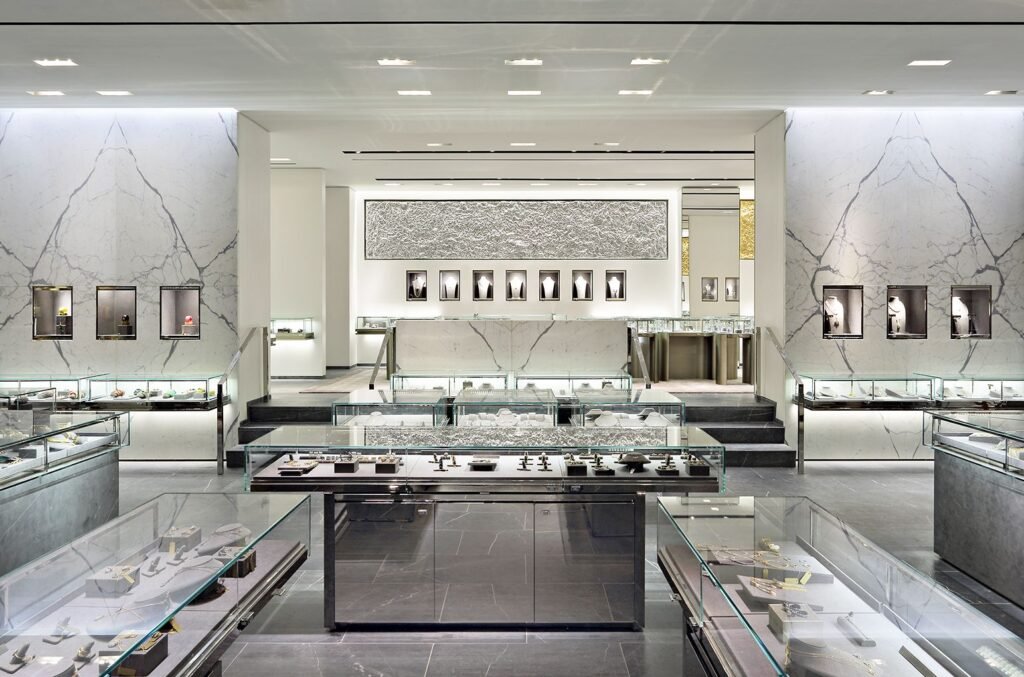
A thoughtful gift can turn an important occasion into a lasting memory. Jewelry has held that role for generations because it combines beauty, personal meaning, and long-term value in one item. Whether someone is celebrating a birthday, anniversary, graduation, wedding, or milestone, a carefully selected piece can communicate appreciation without needing many words. Choosing from a trusted fine jewelry store can also make the experience more personal and dependable.
Why Jewelry Makes a Meaningful Gift
Jewelry is more than an accessory. For many people, a necklace, bracelet, ring, or pair of earrings becomes connected to a specific person, event, or period of life.
Unlike many short-lived gifts, jewelry can remain part of someone’s wardrobe for years. A recipient may wear the piece regularly, save it for special occasions, or eventually pass it down to another family member.
Jewelry Creates Emotional Connections
A piece of jewelry can represent a relationship or personal milestone. For example, an anniversary necklace may remind someone of a particular year of marriage, while a graduation bracelet can symbolize a major educational achievement.
This emotional connection gives jewelry an advantage over gifts that are quickly consumed or replaced. The physical item becomes a reminder of the person who gave it and the occasion it represents.
Jewelry Can Reflect Personal Style
People have different tastes, and jewelry offers plenty of ways to match individual preferences. Someone who prefers understated accessories may appreciate a simple pendant, while another person might enjoy bold earrings or a statement bracelet.
A good gift does not have to follow current trends. Instead, it should complement the recipient’s personality, wardrobe, and everyday lifestyle.
Jewelry Fits Many Types of Special Events
One reason a jewelry store continues to attract gift shoppers is versatility. Jewelry can suit both major celebrations and smaller personal milestones.
The right item can be selected according to the event, relationship, budget, and recipient’s preferences.
| Special Event | Suitable Jewelry Ideas | What It Can Represent |
|---|---|---|
| Birthday | Earrings, bracelet, pendant | Appreciation and affection |
| Anniversary | Necklace, ring, bracelet | Commitment and shared memories |
| Graduation | Pendant, watch, bracelet | Achievement and encouragement |
| Wedding | Earrings, necklace, personalized piece | Celebration and new beginnings |
| Valentine’s Day | Heart pendant, ring, earrings | Romance and affection |
| Mother’s Day | Birthstone jewelry, bracelet | Family and gratitude |
| Retirement | Watch, bracelet, classic necklace | Appreciation and a new chapter |
| Holiday | Earrings, pendant, bracelet | Thoughtfulness and celebration |
Birthdays Offer Room for Personalization
Birthday jewelry can be selected around a person’s interests, birth month, favorite metal, or preferred style. Birthstone pieces are particularly useful when shoppers want to add a personal detail without choosing an overly complicated design.
For a close friend or family member, a personalized pendant or bracelet can also make the gift feel more intentional.
Anniversaries Carry Lasting Meaning
Anniversary gifts often focus on shared experiences and long-term relationships. Jewelry works naturally in this setting because it can become a keepsake associated with a particular year.
For example, a classic necklace may be worn frequently, while an elegant pair of earrings can become part of a special-event wardrobe. The best choice depends on the recipient’s existing collection and lifestyle.
Jewelry Can Be Personalized for the Recipient
Personalization can turn a beautiful accessory into a more meaningful keepsake. Fortunately, shoppers have many options without needing to create an entirely custom piece.
Consider Birthstones and Engraving
Birthstones provide a straightforward way to add personal significance. A pendant featuring a birthstone, for instance, can represent a birthday or family connection.
Engraving is another option. A short date, initial, or meaningful phrase can add sentimental value while keeping the design simple.
Match the Recipient’s Existing Collection
Before buying, look at the type of jewelry the person already wears. Do they usually choose gold or silver-toned pieces? Do they prefer delicate designs or larger accessories?
These details can make the selection process easier. A jewelry store can also help shoppers compare designs that fit the recipient’s established style rather than choosing something based only on the buyer’s personal taste.
Jewelry Offers Options for Different Budgets
A common misconception is that meaningful jewelry must be expensive. In reality, shoppers can find pieces at different price points, allowing them to focus on design and personal relevance rather than price alone.
Focus on Quality and Wearability
When comparing pieces, consider materials, craftsmanship, construction, and how often the recipient is likely to wear the item. A moderately priced piece that suits someone’s daily style may provide more practical value than an expensive design that rarely leaves the jewelry box.
Shoppers should also review product details carefully. Information about metal type, gemstones, dimensions, care instructions, and warranties can help them make a more informed purchase.
Set a Budget Before Shopping
A clear budget prevents unnecessary pressure during the buying process. Once the spending limit is established, shoppers can narrow their choices and compare suitable pieces.
A reputable jewelry store should make product information easy to understand. Customers should feel comfortable asking about materials, sizing, care, returns, and other purchasing considerations.
Jewelry Can Become a Long-Term Keepsake
Many gifts have a short useful life. Jewelry is different because a well-chosen piece can remain wearable for many years.
A classic bracelet or pair of earrings may continue to suit changing wardrobes, while certain designs can become family keepsakes. This longevity can make jewelry especially meaningful when the occasion marks an important life transition.
Choose Timeless Designs for Long-Term Wear
Trendy pieces can be attractive, but classic designs often provide greater flexibility. Simple shapes, versatile colors, and traditional silhouettes can work with different outfits and occasions.
That does not mean shoppers should avoid fashionable designs. Instead, consider whether the recipient usually follows trends or prefers accessories that remain consistent from year to year.
Think About Practical Maintenance
Long-term use also depends on proper care. Jewelry may need regular cleaning, careful storage, and protection from chemicals, moisture, or physical damage depending on its materials.
Giving the recipient basic care information along with the gift can help preserve its appearance. Some pieces may also benefit from professional inspection or cleaning over time.
Choosing the Right Jewelry Requires Thought
The hardest part of buying jewelry is often selecting something that feels personal without making assumptions about the recipient’s taste.
A few simple steps can make the decision easier.
Pay Attention to Everyday Preferences
Notice what the recipient already wears. Their existing accessories can provide clues about preferred colors, metals, shapes, sizes, and styles.
If they rarely wear rings, for example, buying a ring may not be the most practical choice. Earrings, necklaces, or bracelets could be more appropriate depending on their habits.
Consider the Meaning of the Occasion
The occasion should influence the style and significance of the gift. A graduation present may call for something understated and versatile, while an anniversary could inspire a more sentimental design.
The relationship also matters. A gift for a spouse may be more personal than one for a colleague or distant acquaintance.
Ask for Help When Necessary
There is no need to make every decision alone. Experienced professionals at a jewelry store can explain differences between materials, gemstones, settings, sizes, and styles.
If the gift is intended to be a surprise, shoppers can also ask a trusted friend or family member for guidance. A second opinion may prevent an otherwise avoidable mismatch.
A Jewelry Store Can Simplify the Buying Process
Shopping for jewelry can feel overwhelming when there are many styles and materials to compare. A knowledgeable jewelry store can make the process more manageable by helping customers identify suitable options.
Professional assistance can be especially useful for first-time buyers who are unfamiliar with gemstone characteristics, metal choices, sizing, or jewelry care.
Ask Important Questions Before Buying
Before completing a purchase, consider asking:
- What materials are used in the piece?
- Are the gemstones natural, lab-grown, or simulated?
- What size or dimensions should I consider?
- How should the item be cleaned and stored?
- Is resizing or repair available?
- What does the warranty or return policy cover?
- Does the piece come with documentation where appropriate?
Getting clear answers can reduce uncertainty and make the purchase more comfortable.
The Presentation Can Make the Gift More Special
A jewelry gift does not end with the item itself. Presentation can add another layer of excitement and anticipation.
A quality box, thoughtful note, or carefully planned moment can make the recipient feel that the gift was selected specifically for them.
Add a Personal Message
A short handwritten note can explain why the jewelry was chosen. The message does not need to be elaborate. A few sincere words about the occasion or relationship can make the presentation more memorable.
Consider the Moment of Giving
Timing can also matter. A birthday dinner, anniversary celebration, graduation gathering, or quiet private moment may provide a natural setting for presenting the gift.
The goal is not to create an elaborate production. It is simply to make the occasion feel intentional.
What Makes Jewelry Different From Other Gifts?
Jewelry combines several qualities that are difficult to find together in a single gift. It can be decorative, practical, sentimental, customizable, and durable.
The following comparison illustrates why shoppers may choose jewelry for important occasions:
| Gift Characteristic | Jewelry | Typical Disposable Gift |
|---|---|---|
| Long-term use | Often possible | Usually limited |
| Personalization | Many options | Depends on item |
| Sentimental value | Can increase over time | May vary |
| Wearability | Yes | Usually not |
| Occasion flexibility | High | Depends on product |
| Family keepsake potential | Possible | Less common |
| Style choices | Broad range | Varies |
This does not mean jewelry is appropriate for every recipient. The most meaningful gift is ultimately one that reflects the individual’s preferences and the relationship between giver and recipient.
Smart Tips for Buying Jewelry as a Gift
A little preparation can improve the shopping experience and help avoid common mistakes.
Use This Simple Checklist
Before buying, consider:
- Know the recipient’s style: Look at their current accessories for clues.
- Set a realistic budget: Decide how much you are comfortable spending.
- Choose the occasion: Let the event guide the design and level of formality.
- Check the materials: Understand what the piece is made from.
- Confirm sizing: This is especially important for rings and fitted bracelets.
- Review care instructions: Make sure the recipient can maintain the piece properly.
- Understand store policies: Check returns, exchanges, warranties, and repairs.
- Keep purchase documentation: Save receipts and relevant product information.
These steps can turn an uncertain shopping trip into a more organized experience.
Why Thoughtful Selection Matters More Than Price
The emotional value of a gift does not necessarily depend on its price. A modest piece chosen because it matches someone’s personality can have more personal significance than an expensive item selected without considering the recipient.
For this reason, shoppers should spend time understanding what makes the recipient feel comfortable and appreciated. Jewelry works best as a gift when the piece tells a small story about the person receiving it, the person giving it, or the occasion being celebrated.
Conclusion
Jewelry remains a popular gift for special events because it combines personal expression, beauty, versatility, and lasting memories. From birthdays and anniversaries to graduations and family milestones, the right piece can reflect the importance of an occasion without being overly complicated. Shoppers can make better choices by considering the recipient’s style, setting a practical budget, checking materials and sizing, and seeking guidance from a reputable jewelry store when needed. Most importantly, the value of jewelry as a gift comes from the thought behind the selection. A carefully chosen piece can become more than an accessory—it can become a lasting reminder of a meaningful moment.
FAQs
1. Why is jewelry a popular gift for special occasions?
Jewelry can combine beauty with sentimental meaning. It can also last for many years, making it a practical keepsake associated with an important event or relationship.
2. How do I choose jewelry for someone else?
Start by considering the recipient’s existing style, preferred metals, typical accessories, lifestyle, and the occasion. Checking these details can help you choose something they are likely to wear and enjoy.
3. Is jewelry a good gift for a birthday?
Yes. Birthday jewelry can be personalized through birthstones, engravings, initials, or designs that reflect the recipient’s interests. The right choice depends on their individual style and your relationship.
4. What should I ask a jewelry store before buying a gift?
Ask about materials, gemstone details, sizing, care requirements, warranties, returns, exchanges, and repair services. These questions can help you understand exactly what you are purchasing.
5. How can I make a jewelry gift more personal?
Choose a design that reflects the recipient’s style and consider personalization such as a birthstone, engraving, meaningful date, or symbolic design. A handwritten note can add another personal touch.