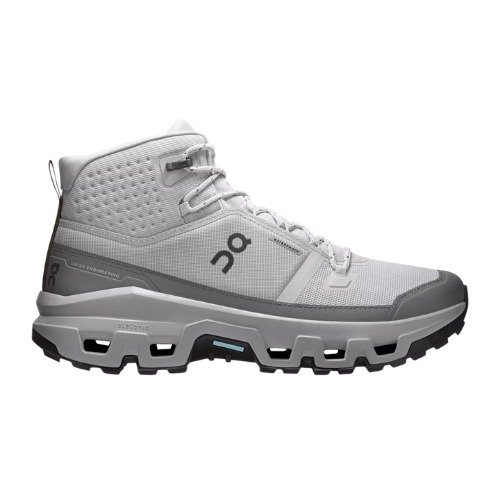
On Cloud waterproof shoes can help keep your feet dry when you encounter light rain, damp sidewalks, or shallow puddles. However, waterproofing does not mean a shoe can be submerged without letting water in. Protection depends on the exact model, its construction, and the height of the water. Check the product page or shoe label for a specific waterproof claim; not every On running shoe has the same weather protection. If you are unsure which version you own, look up its model name before taking it out in wet conditions. This helps set realistic expectations and avoids treating a water-resistant shoe as fully waterproof.
How They Perform in Shallow Puddles
For brief steps through shallow puddles, a waterproof https://onrunningg.us/on-cloud/ model may keep water from passing through the upper. The result depends on whether the water stays below the shoe’s opening and whether the upper has been damaged or worn. Puddles can hide holes, uneven pavement, or deeper spots, so step carefully rather than assuming the water is shallow. After walking through, check whether your socks feel damp and whether water has entered around the tongue or collar. If the shoes remain dry during a short test, that is useful information—but it does not guarantee the same result in deeper water or prolonged rain.
Water Can Enter Above the Shoe
Even a waterproof shoe can let water in from the top. When a puddle reaches the collar, water may run down your ankle or enter through the opening, particularly if your trousers are wet. Deep puddles, flooded paths, and stream crossings can exceed the protection the shoe offers. Waterproof construction is intended to limit water passing through the shoe’s upper, not to make the entire foot area sealed. If you expect water above the ankle or prolonged exposure, consider footwear with a higher shaft and protection suited to those conditions. Avoid testing the limits in places where a wet foot could create a safety problem.
Waterproofing and Sweat
Waterproof shoes can feel warmer than non-waterproof versions, especially during a run or in mild weather. A waterproof layer may limit how quickly heat and moisture escape, so sweat can build up inside even when rain stays out. This means damp socks do not always indicate a leak. If your feet tend to get warm, try the shoes on a short outing before wearing them for a long run. Choose socks that manage moisture and avoid overly thick pairs that crowd your toes. On warmer days, a non-waterproof running shoe may feel more pleasant if rain protection is not a priority.
Grip on Wet Pavement
Keeping water out and staying steady on wet ground are separate concerns. A waterproof upper does not automatically provide extra grip on slick paving, painted road markings, wet leaves, or smooth tiles. The outsole and the surface both affect how secure each step feels. Slow down around puddles, avoid sharp turns, and use shorter steps on slippery ground. If you regularly run on muddy paths or uneven trails, check whether the specific shoe is intended for that use. On Cloud models vary, so do not assume that every waterproof shoe is intended for the same surfaces or pace.
How to Check Your Shoes Before a Wet Run
Before relying on waterproof On Cloud shoes, inspect the upper, seams, sole, and tongue for visible wear. Look for splits, loose sections, or damage that could let water through. If the shoes are new, try them on a short walk in light rain or on a familiar route with small puddles. Check your socks afterward and note whether the dampness is around the toes, sides, or collar. This can help you tell whether water entered through the upper or came in from above. Avoid pouring water into the shoes as a test, since that does not reflect normal use and can leave them wet inside.
Drying and Caring for Wet Shoes
After a rainy walk or run, remove the insoles if the care instructions allow it, then loosen the laces and open the tongue to let air circulate. Blot visible water with a cloth and leave the shoes to dry at room temperature. Do not place them on a radiator or use a hair dryer, as direct heat may affect adhesives and shoe components. Avoid putting them away while damp, since trapped moisture can cause odor and may affect the interior. Follow the care guidance for your exact model, particularly if it has a water-repellent treatment. Gentle cleaning after muddy outings can also help prevent dirt from collecting around seams and the outsole.
When Waterproof On Cloud Shoes Make Sense
Waterproof On Cloud shoes can be useful for rainy commutes, damp sidewalks, and short outings where puddles are shallow. They are less suited to deep water, flooding, or conditions where water can pour over the shoe opening. Consider how often you run in rain, the temperatures in your area, and whether you prefer a warmer shoe or a cooler-feeling upper. Check the precise model specifications, since On running shoes differ in weather protection and intended use. For frequent wet-weather runs, test your shoes gradually and pay attention to both water entry and grip. That practical check will tell you more than the waterproof label alone.