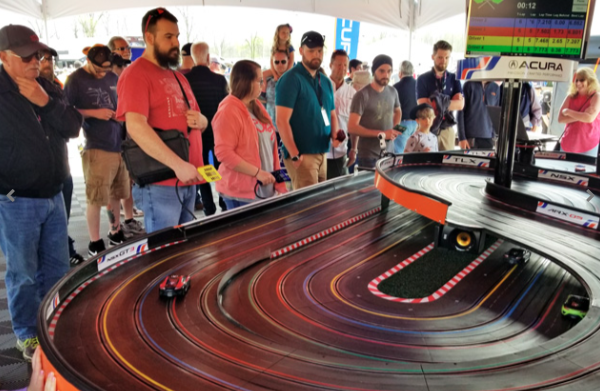
Are visitors walking past your booth instead of stopping to see what you offer? Getting attention at a busy trade show can be tough. Rows of booths compete for the same people, and a simple display may not be enough to make someone stop. Interactive Trade Show Games can change that by giving visitors something fun to do while they learn about your brand. Instead of only looking at signs or listening to a sales pitch, guests can take part, make choices, compete, and enjoy the experience.
What Makes a Trade Show Game Interactive?
An interactive game asks visitors to do something instead of simply watching. They may answer questions, press buttons, spin a wheel, aim at a target, race against a clock, or complete a short challenge.
The activity is usually connected to the brand in some way. It can teach people about a product, collect simple information, or create a reason to start a conversation with booth staff.
How Does a Game Work at a Booth?
The process is often simple. A visitor notices the game and decides to try it. A staff member explains the basic rules. The guest plays for a short time, and the booth team can then use that moment to start a natural conversation.
Some games offer prizes or points. Others focus on speed, skill, or fun. The format can change based on the audience and the event. A good game should not take too long. Fast activities allow more people to participate during a busy show.
Why Do Games Help Start Conversations?
One of the hardest parts of trade show marketing is opening a conversation without making visitors feel pressured. A game can act as a friendly first step.
Instead of starting with a sales question, staff can invite someone to play. Once the visitor joins in, talking about the brand can feel more natural. This creates a better flow. The activity gets attention first, and the conversation can come second.
What Types of Games Can You Use?
Trade show games can take many forms. The right option depends on the space, audience, brand, and event goal.
Common ideas include:
- Trivia and quiz games.
- Spin-to-win games.
- Racing challenges.
- Reaction games.
- Touchscreen games.
- Skill-based contests.
- Prize games.
Some activities can be fully digital, while others can use physical equipment. A simple setup can work just as well as a more advanced game when the experience is clear and fun.
How Can Games Support Brand Awareness?
A trade show game should do more than keep people busy. It can also help people remember the company after the event.
Brand names, colors, messages, or products can be built into the activity. For example, a quiz can use questions related to the company’s industry. A racing game could use branded screens or displays.
Can Games Help Generate Leads?
Yes, but the process should be handled carefully. A game can bring people to the booth and create interest. After that, staff can invite visitors to share contact information, join a mailing list, or ask for more details.
The timing matters. Asking for information before giving visitors a chance to enjoy the activity can make the experience feel too sales-focused. A better approach is to build trust first and make the next step simple.
Why Is Timing Important?
Trade show floors move quickly. Visitors may have limited time and several booths to visit. A game that takes ten or fifteen minutes may lose their interest.
Short activities often work better because more people can take part. They also make it easier for staff to keep the line moving. The game should be easy to reset between players. That small detail can have a big effect when the booth gets busy.
What Makes a Good Game for a Trade Show?
A strong game should be fun, easy to explain, and connected to the event goal. It should also fit the booth space and audience. Interactive Games for Trade Shows work best when they balance entertainment with a clear purpose.
Before choosing one, think about:
- How much space is available?
- How long should each turn take?
- What will attract the target audience?
- Does the game match the brand?
- What should visitors do after playing?
Answering these questions can help avoid a game that looks exciting but does not support the booth.
Turn Booth Traffic Into Real Engagement
At a crowded trade show, getting people to stop is only the first challenge. The next step is giving them a reason to stay.
A well-planned Interactive Trade Show Games experience can bring movement, energy, and conversation to a booth. Visitors get something enjoyable to do, while brands gain a natural way to connect with potential customers.
Conclusion
Interactive trade show games turn passive booth visits into active experiences. They give visitors something to do, make conversations easier, and can help brands become more memorable. From quick quizzes to skill contests and digital challenges, the options are wide. The most useful game is one that matches the audience, fits the space, and connects naturally with the brand.
When the activity is simple, fun, and well-planned, it can help a trade show booth feel more welcoming and engaging. Create a booth experience that invites people to participate rather than simply look, and give every visitor a reason to remember your brand.