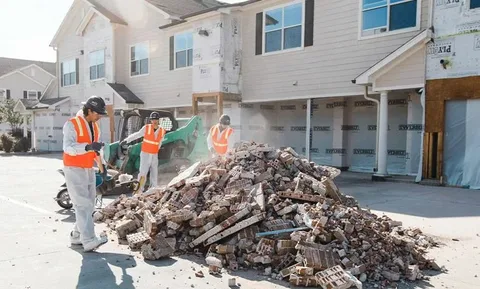
Severe weather can leave a property with fallen branches, damaged roofing, broken fencing, scattered belongings, and construction materials spread across the yard or inside the structure. For owners of storm-damaged properties in Wichita, debris removal is one of the first practical steps after immediate hazards have been addressed. The process isn’t simply about making the property look orderly again. Materials need to be identified, dangerous areas isolated, access restored, and debris taken through appropriate disposal channels before repair work can proceed.
Safety Comes Before the Cleanup Crew
A storm-damaged property can contain hazards that aren’t obvious during the first walkthrough. Downed utility lines, unstable tree limbs, damaged roofs, broken glass, exposed wiring, and partially collapsed structures can create risks for anyone entering the area.
Wichita’s emergency forestry procedures prioritize public safety and hazard reduction after storm events, with damaged trees assessed and hazards addressed according to their level of risk.
Private property owners should apply the same basic principle: the cleanup shouldn’t begin until dangerous conditions have been evaluated appropriately. If electrical lines are down or a structure appears unstable, the relevant utility, emergency service, arborist, or qualified professional should be contacted before debris is moved.
Separate Storm Damage From Ordinary Property Junk
After a major storm, several different types of material can end up in the same area. Fallen branches may sit beside damaged furniture, roofing pieces, broken fencing, household belongings, and pre-existing junk.
Separating these categories can make the cleanup more manageable.
Storm-generated debris should be identified separately from ordinary household waste whenever possible. Materials that were already on the property before the storm may follow a different disposal route from material directly produced by the weather event.
This distinction also helps property owners document the damage more accurately before cleanup changes the condition of the site.
Document the Property Before Removing Debris
Photographs and video can provide a useful record of the property’s condition immediately after the storm.
The documentation can cover damaged roofs, broken windows, fallen trees, fencing, exterior structures, vehicles, landscaping, and the location of major debris piles. Wide photographs can establish the overall scene, while closer images can capture individual damage.
For insured properties, the owner may also need to coordinate with an insurance carrier or adjuster before certain damaged materials are discarded. The exact requirements vary by policy and claim, so property owners should check their documentation and insurer’s instructions before removing potentially relevant evidence.
The cleanup and the insurance process should be coordinated rather than treated as unrelated tasks.
Private Property and Public Areas Are Different
One point that can create confusion after a Wichita storm is responsibility for debris.
The City of Wichita explains that private storm debris is generally the responsibility of the property owner. City crews focus on public property and rights-of-way, with rare exceptions when city officials establish a special response for a widespread catastrophic event.
This distinction matters when fallen branches or other debris are located around a property. A homeowner shouldn’t assume that placing material near the curb automatically means city crews will remove it.
Property owners should confirm the applicable arrangements before moving debris into a public area.
Fallen Trees Need More Than a Chainsaw
Tree damage can be one of the largest cleanup challenges following high winds or severe weather.
A tree may appear to have fallen completely while additional limbs remain suspended overhead. Broken trunks can also be under tension, creating unpredictable movement when cut.
Wichita’s tree policy calls for damaged trees to be evaluated by a certified arborist and hazards to be prioritized according to risk.
For private trees, the city’s guidance advises property owners to consult a certified arborist before performing work.
Once hazardous tree work has been completed appropriately, the remaining branches, logs, and smaller material can be incorporated into the broader debris-removal plan.
Roofing Debris Can Spread Across the Property
Storm-damaged roofing can create a cleanup problem that extends beyond the point where the roof was damaged.
Shingles, underlayment, insulation, wood fragments, and other materials may be scattered by wind. Some pieces can become lodged in landscaping, gutters, fences, or areas that aren’t immediately visible from the driveway.
A final debris inspection should therefore cover the surrounding property rather than focusing only on the largest pile.
For storm debris cleanup services in Wichita, KS, the scope may need to account for both the primary damage area and smaller material dispersed across the property.
Floodwater Creates a Different Cleanup Situation
Storm cleanup isn’t always limited to wind and falling objects. Heavy rainfall can produce flooding, drainage problems, and water intrusion.
Wichita maintains stormwater infrastructure and provides a process for reporting clogged storm sewers, drainage complaints, and related issues.
If water has entered a structure, debris removal should be coordinated with the broader water-damage response. Saturated drywall, flooring, insulation, furniture, and other materials may require different handling than dry outdoor debris.
Property owners should also avoid moving contaminated or potentially hazardous materials without understanding the risks involved.
Know Where the Debris Is Going
Removing material from the property is only half the job. It still needs an appropriate destination.
Wichita’s Brooks Landfill currently lists separate charges and handling requirements for various materials. Its published information includes standard waste, rubble, clean concrete, stone, brick, asphalt millings, clean dirt, tires, mattresses, electronics, Freon-containing items, and asbestos-related materials.
This illustrates why a storm cleanup shouldn’t automatically be treated as one mixed load.
A property owner should identify unusual materials before arranging transportation. Some items may need a specific facility, special authorization, or separate handling.
Don’t Mix Hazardous Materials Into the General Load
Storms can expose materials that were already stored on a property. A damaged shed might release fuel containers, pesticides, paint, cleaners, batteries, or other products.
These materials shouldn’t automatically be placed alongside ordinary storm debris.
Wichita’s landfill information identifies specific handling requirements for asbestos and other materials, while local waste programs provide separate pathways for certain hazardous household products.
If the contents of a damaged structure are uncertain, property owners should identify questionable materials before loading them into a general debris vehicle.
Access Has to Be Restored Before Repairs Can Move Forward
Storm debris can block driveways, garage entrances, walkways, gates, and access routes needed by contractors.
A property may technically have only moderate damage, yet repairs can be delayed because workers cannot safely reach the affected area.
For that reason, debris removal should prioritize access as well as volume. Clearing a path to a damaged roof, electrical equipment, HVAC equipment, garage, or main entrance can allow other professionals to begin their work.
The final cleanup can happen afterward, but restoring essential access is often one of the earliest practical objectives.
What Happens to the Property After the Debris Is Gone?
Once the major material has been removed, the property needs another inspection.
Small fragments may remain around fences, landscaping, roof edges, driveways, and drainage areas. Interior spaces can contain broken materials that weren’t visible during the initial emergency response.
At this point, the owner can create a clearer repair list.
That list may include roof work, window replacement, fencing, siding, landscaping, structural repairs, water remediation, or interior restoration. Removing the debris first makes it easier to see which problems actually remain.
A Cleanup Plan Should Match the Damage
Not every storm-damaged property requires the same response.
A small residential cleanup may involve branches, damaged outdoor furniture, and scattered materials. A larger property could require removal of fallen trees, roofing debris, damaged structures, appliances, furniture, and construction materials.
The size of the property, amount of debris, location of material, access conditions, and type of damage should all influence the cleanup scope.
A detailed assessment is more useful than assuming that every storm cleanup can be handled with the same number of workers or vehicle loads.
How Warrior Property Solutions Fits Into the Recovery Process
Warrior Property Solutions can be considered when a property owner needs the non-emergency cleanup stage organized after storm damage has been assessed and hazardous conditions have been addressed.
The useful starting point is the actual condition of the property: what was damaged, what needs to remain, which materials need removal, where the debris is located, and what access routes need to be restored.
This can be especially relevant when storm debris is mixed with pre-existing junk or damaged household contents. Separating those materials can create a more manageable cleanup scope.
A Clearer Property After the Storm
Owners of Storm-Damaged Properties in Wichita can contact Warrior Property Solutions to discuss debris volume, property access, damaged belongings, outdoor material, and the cleanup required after the immediate hazards have been addressed. A planned removal process can help clear blocked areas, organize unwanted material, and prepare the property for the repairs and restoration work that follow.
FAQs
Who is responsible for storm debris on private property in Wichita?
The City of Wichita states that private debris is generally the responsibility of the property owner. Special city assistance may occur during certain widespread catastrophic events, but those situations are announced separately.
Should storm damage be photographed before debris is removed?
Photographing and documenting the damage before cleanup can provide a useful record, particularly when an insurance claim may be involved. Property owners should also follow any specific instructions from their insurer or adjuster.
Can fallen trees be removed by the property owner?
Tree removal can involve significant hazards, especially when trunks or limbs are under tension or utility lines are nearby. Wichita recommends consulting a certified arborist for work involving private trees.
Where can storm debris be taken in Wichita?
Disposal options depend on the type of material. Brooks Landfill publishes current acceptance information and separate handling or fees for various categories, including rubble, clean concrete, tires, mattresses, electronics, and certain other materials.
What should happen if storm debris blocks a driveway?
Clearing an essential access route can be an early cleanup priority, provided the area is safe to enter. Downed utility lines, unstable structures, or dangerous trees should be addressed by the appropriate professionals first.
Is storm debris the same as construction debris?
Not always. Storm damage can produce construction-type materials such as roofing, wood, drywall, and insulation, but it can also include trees, branches, household belongings, and other materials. The appropriate disposal route depends on what the debris actually contains.