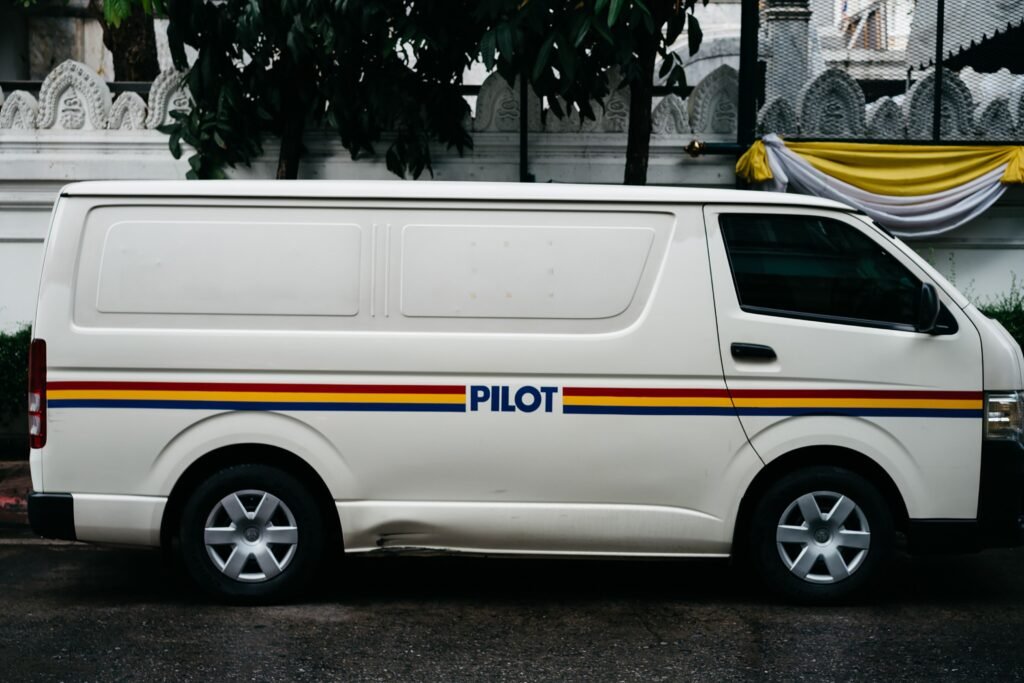
A company vehicle is often viewed simply as a way to move people, tools, products, or equipment from one place to another. But when that vehicle spends hours travelling through busy streets, it can also serve another purpose: keeping a business visible.
Vehicle branding turns ordinary cars, vans, trucks, and other commercial vehicles into moving advertisements. Unlike a traditional billboard that stays in one location, a branded vehicle can travel between neighbourhoods, business districts, customer sites, and residential areas throughout the day. For businesses in a busy city such as Dubai, this creates an opportunity to combine everyday transport with brand exposure.
What Is Vehicle Branding?
Vehicle branding involves applying a company’s logo, colours, contact details, graphics, or other visual elements to a vehicle. Depending on the objective and budget, branding may cover a few selected panels or most of the vehicle.
Common approaches include:
- Full vehicle wraps
- Partial wraps
- Vinyl lettering and decals
- Company logos and contact information
- Fleet graphics
- Promotional campaign graphics
The main purpose is not to fill every available surface with information. Effective vehicle advertising usually depends on making the most important message easy to understand within a few seconds.
Why Company Vehicles Work as Mobile Advertising
One of the biggest advantages of vehicle branding is repeated exposure. A delivery van may follow similar routes every week. A service vehicle may visit different homes and offices each day. A company car may regularly travel through busy commercial areas.
This repetition can help people become familiar with a business name or visual identity over time.
There is also a practical advantage: the advertising medium is attached to an asset the business is already using. The vehicle is travelling for operational reasons, while the branding provides an additional communication function.
For example, consider a maintenance company operating several vans across Dubai. Instead of displaying only a plain company name, the vans could use a consistent logo, a short description of the service, and a memorable contact method. Each journey then provides another opportunity for people to recognise the business.
Designing a Vehicle That People Can Read Quickly
A common mistake is treating a vehicle like a printed brochure. Drivers and pedestrians generally do not have enough time to read long paragraphs while a vehicle is moving.
A more effective layout usually gives priority to a few elements:
1. Business name and logo
The company name should be immediately identifiable. A recognisable logo can reinforce this without requiring much text.
2. One clear service message
Rather than listing every service, choose the main information that a potential customer needs to understand what the business does.
For example, a cleaning company might use a simple phrase such as “Commercial & Residential Cleaning” instead of displaying a long list of individual services.
3. Contact information
A website, phone number, or other simple contact method can make the branding more useful. The information should remain large enough to read from a reasonable distance.
4. Strong visual hierarchy
Important information should stand out from supporting details. Too many colours, fonts, images, and messages can make the vehicle difficult to understand.
Full Wrap or Partial Branding?
The right approach depends on the vehicle and its purpose.
A full wrap can provide a large canvas for a stronger visual identity. It may suit businesses that operate branded fleets or want the vehicle to have a distinctive appearance from different angles.
A partial wrap or decal-based design can be more appropriate when the goal is simply to display a logo, contact details, or a short service message without covering the entire vehicle.
For businesses managing several vehicles, consistency can matter more than the amount of coverage. A fleet with the same logo placement, colours, typography, and messaging can look more recognisable even when different vehicle models are involved.
Businesses researching car branding in dubai can compare full and partial approaches based on vehicle size, daily routes, branding goals, and the amount of information that needs to be displayed.
Vehicle Branding Considerations in Dubai
Dubai presents a particularly useful environment for mobile advertising because company vehicles can move between commercial districts, residential communities, industrial areas, and major roads throughout the city.
However, branding should be planned around the realities of local driving conditions. Strong sunlight, heat, dust, frequent road travel, and vehicle washing can all affect exterior graphics over time. Material selection and proper installation therefore matter alongside the design itself.
Businesses should also check the applicable requirements for commercial vehicle advertising before production. Depending on the vehicle and design, approvals or permits may be required. Checking these details in advance can prevent a finished design from needing unexpected changes.
Turning a Fleet Into a Consistent Brand
The value of vehicle advertising can increase when several vehicles carry a consistent identity.
Imagine a logistics company operating 20 vans. If every van uses a different layout, colour combination, or logo position, the fleet may look disconnected. A consistent design system creates a stronger visual association between the vehicles.
The same principle applies to smaller businesses. Even two or three service vehicles can use the same basic template while allowing minor adjustments for different vehicle shapes.
Consistency also makes future vehicle additions easier. A new van can follow the established design rather than requiring an entirely new branding concept.
What Makes Vehicle Advertising Effective?
Good vehicle branding is less about putting as much information as possible on a vehicle and more about communicating one useful idea clearly.
Before approving a design, businesses can ask:
- Can the company name be recognised quickly?
- Is the main service obvious?
- Can important contact information be read from a distance?
- Does the design work from the front, side, and rear?
- Is the message still clear when the vehicle is moving?
- Does the design match the company’s existing identity?
- Will the graphics remain practical for everyday vehicle use?
Testing a design as a small digital image can also be useful. If the message becomes difficult to understand when viewed at a smaller size, it may contain too much information.
A Practical Marketing Asset
Vehicle branding does not replace every other form of advertising. Instead, it can complement digital marketing, signage, social media, search advertising, and other channels.
Its main strength is that exposure happens during normal business activity. A branded van travelling to a customer appointment, for example, can introduce the business to people who may never have encountered its website or social media profile.
For businesses operating across Dubai, this makes company vehicles more than transportation. With thoughtful design, they can become a practical part of the wider marketing system.
A useful reference for businesses considering this approach is Vehicle Branding Company in Dubai, where vehicle branding, wraps, decals, and related services are outlined for different types of commercial vehicles.
Conclusion
Company vehicles already spend time on the road, so branding can turn that routine activity into an additional source of visibility. The most effective designs tend to focus on clarity, consistent branding, readable information, and an understanding of how people actually see vehicles in traffic.
Whether a business has one service car or a large fleet, the basic principle remains the same: communicate a simple message that people can recognise quickly. In a busy market such as Dubai, a well-planned vehicle can keep that message moving wherever the business operates.