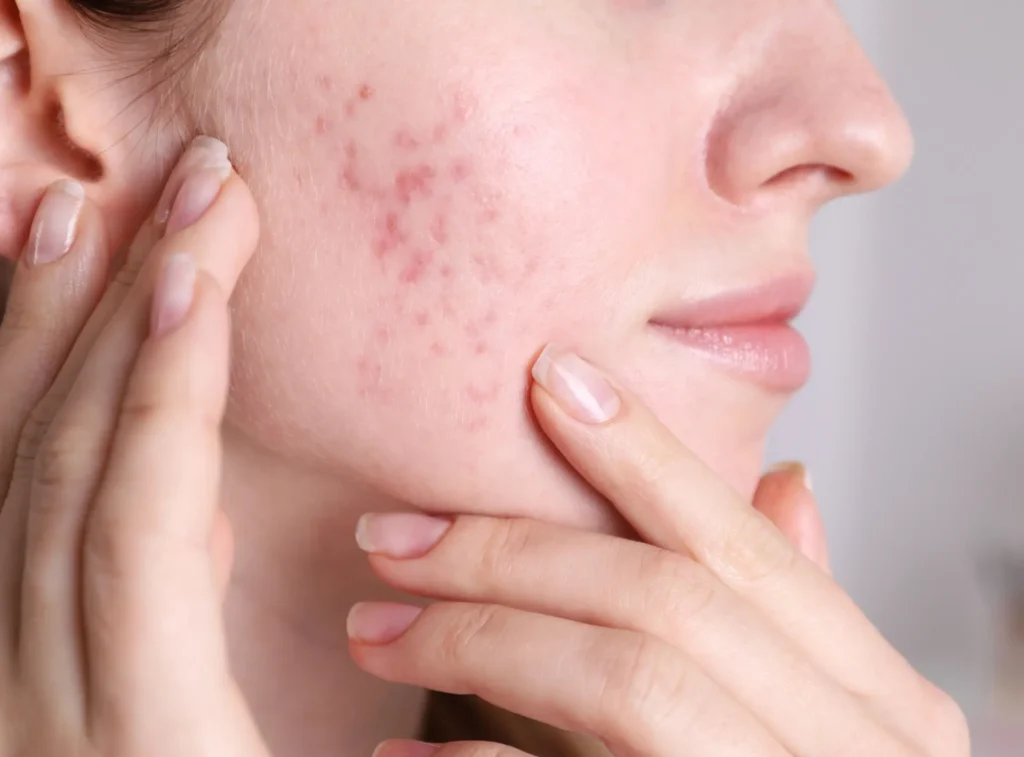
Acne is a common skin condition that can affect teenagers and adults and may appear as blackheads, whiteheads, pimples, nodules, or cysts. Because acne can develop through different combinations of clogged pores, excess oil, inflammation, and other contributing factors, modern skincare increasingly focuses on individualized assessment rather than using the same routine for everyone. The American Academy of Dermatology’s updated acne guidelines include several evidence-based topical and systemic treatment options, including retinoids, benzoyl peroxide, salicylic acid, azelaic acid, and other therapies selected according to individual needs.
For people considering Acne Treatment in Dubai, personalized care can provide a structured approach to understanding the type and pattern of breakouts before selecting an appropriate treatment strategy. At hortman clinics, the focus can be placed on the patient’s skin characteristics, acne pattern, current skincare routine, and individual goals. This approach can help make modern acne management more specific to the person’s needs.
Understanding Modern Acne Care
Modern acne care begins with understanding that acne does not look or behave identically in every person. Some individuals mainly experience blackheads and whiteheads, while others develop inflammatory pimples or deeper lesions. Acne may also appear on different areas, including the face, chest, shoulders, and back.
An accurate assessment can help distinguish acne from other skin conditions that may produce similar-looking breakouts. Dermatologists consider the type of lesions, their location, and the overall appearance of the skin when developing treatment plans.
This makes personalized assessment an important part of Acne Treatment cost in Dubai. Instead of simply choosing products based on popularity, patients can discuss their specific concerns and receive guidance according to their skin condition.
Personalizing Treatment for Different Acne Types
Different acne patterns may respond to different treatment approaches. Comedonal acne involving blackheads and whiteheads may require treatments that help keep pores clear, while inflammatory acne may require approaches directed at inflammation and acne-causing bacteria.
The American Academy of Dermatology recommends several topical treatments, including benzoyl peroxide, topical retinoids, salicylic acid, and azelaic acid. Depending on acne severity and individual circumstances, dermatologists may also consider systemic treatments.
At hortman clinics, understanding the type of acne can help create a more focused treatment direction. The objective is to address the patient’s actual skin concerns rather than applying a generic skincare routine.
The Role of Topical Skincare
Topical skincare remains an important part of modern acne management. Retinoids can help unclog pores and reduce the formation of blackheads, whiteheads, and some pimples. Benzoyl peroxide can help reduce acne-causing bacteria, while salicylic acid can help unclog pores and exfoliate the skin. Azelaic acid can address acne while also helping with dark marks that may remain after breakouts.
A personalized skincare plan may involve one active ingredient or a combination of treatments depending on the type of acne. The AAD guidelines specifically support combining topical therapies that work through different mechanisms when appropriate.
For individuals seeking Acne Treatment in Dubai, professional guidance can help determine which ingredients are appropriate for their particular skin concerns and how they should fit into an ongoing skincare routine.
Managing Adult Acne With a Modern Approach
Acne is not limited to adolescence. Many adults continue to experience breakouts or develop acne later in life. Adult acne may be influenced by hormonal factors, skincare habits, medications, or other individual factors.
The American Academy of Dermatology notes that mild adult acne can sometimes be managed with appropriate over-the-counter active ingredients, while deeper, painful acne or acne associated with scarring generally warrants professional evaluation.
A modern approach therefore considers age, acne type, skin sensitivity, and previous treatment experience. At hortman clinics, patients can discuss how their acne behaves and which aspects of their current skincare routine may need to be adjusted.
Acne and Post-Breakout Dark Marks
For many people, acne management involves more than treating active breakouts. Dark spots can remain after an acne lesion clears, particularly in people who develop post-inflammatory hyperpigmentation. The American Academy of Dermatology notes that azelaic acid and certain retinoids can have roles in addressing dark spots associated with acne.
This means that modern skincare may consider both active acne and the appearance of marks left behind. However, the appropriate approach depends on the individual’s skin type and the nature of the discoloration.
With Acne Treatment in Dubai, a personalized consultation can help distinguish active acne from post-inflammatory marks and establish a skincare approach that addresses the patient’s current concerns.
Building a Consistent Skincare Routine
Consistency is an important component of acne management. Frequently changing products can make it difficult to determine what is helping and may irritate the skin. The American Academy of Dermatology recommends giving acne treatments sufficient time to work, with improvement often requiring several weeks rather than appearing immediately.
A modern routine can include gentle cleansing, appropriate acne-focused treatment, moisturizer when needed, and non-comedogenic sun protection. The exact routine should reflect the individual’s skin type and treatment plan.
At hortman clinics, patients can discuss their existing skincare habits and learn how their routine may fit into a broader acne-management strategy.
Professional Acne Treatment Options
Depending on the acne pattern and severity, professional treatment may involve topical medications, oral medications, or selected in-office procedures. Current AAD guidance includes treatments such as topical retinoids, benzoyl peroxide, topical antibiotics, hormonal therapies, oral antibiotics, and isotretinoin for appropriate patients.
The choice of treatment should be based on individual circumstances rather than assuming that a stronger treatment is always better. For some patients, a topical routine may be sufficient, while others may require a more comprehensive medical approach.
This individualized model is central to modern Acne Treatment in Dubai, where the objective is to match the treatment strategy to the patient’s specific acne characteristics.
The Importance of Long-Term Acne Management
Acne management is not always limited to clearing the breakouts that are visible today. A suitable long-term plan can also focus on reducing the frequency of new breakouts and maintaining clearer skin once improvement occurs. The AAD identifies clearing existing acne, preventing new breakouts, and preventing acne scars among the primary goals of treatment.
Maintenance treatment may be particularly relevant for people who experience recurring acne. Depending on the individual’s needs, dermatologists may continue certain topical treatments after active acne has improved.
At hortman clinics, long-term skincare goals can be discussed alongside immediate concerns so that treatment planning considers both current breakouts and ongoing skin maintenance.
Considering Acne Treatment cost in Dubai
The Acne Treatment cost in Dubai can vary according to the individual’s treatment plan, the type of acne being addressed, and the therapies considered during consultation. Different patients may require different combinations of professional care and skincare.
Rather than assuming that every acne treatment follows the same approach, patients can discuss their specific requirements with hortman clinics. This allows the treatment plan and its associated financial considerations to be explained according to the individual’s needs.
Modern Skincare at hortman clinics
At hortman clinics, modern acne care can focus on understanding the patient’s skin condition before developing a personalized treatment approach. Factors such as acne type, severity, skin characteristics, previous treatments, skincare habits, and desired outcomes can all contribute to treatment planning.
This individualized approach is consistent with current dermatological guidance, which emphasizes that there is no single acne treatment suitable for everyone.
For individuals considering Acne Treatment in Dubai, professional consultation can provide a clearer understanding of their acne pattern and the treatment options that may be appropriate for their specific skincare needs.
Conclusion
Acne Treatment in Dubai can provide a personalized approach to modern skincare by addressing different types of acne, individual skin characteristics, recurring breakouts, and post-acne marks. Current dermatological guidance supports a range of topical and systemic treatments, with the choice depending on the patient’s acne pattern and individual circumstances. At hortman clinics, patients can discuss their skincare concerns and develop a treatment direction tailored to their needs. The Acne Treatment cost in Dubai can also be discussed as part of the individual treatment planning process.
FAQs
What is Acne Treatment in Dubai designed to address?
Acne Treatment in Dubai can address different forms of acne, including blackheads, whiteheads, inflammatory pimples, and deeper acne lesions. Treatment can also focus on preventing new breakouts and managing post-acne marks.
How is acne treatment personalized?
Personalization can involve assessing the type and severity of acne, skin characteristics, previous treatment experience, current skincare routine, and individual goals. Different acne types may require different treatment approaches.
What skincare ingredients are commonly used for acne?
Common evidence-based ingredients include benzoyl peroxide, topical retinoids, salicylic acid, and azelaic acid. The appropriate ingredient or combination depends on the individual’s acne and skin needs.
How long does acne treatment take to show improvement?
Acne treatments generally require consistency and patience. The American Academy of Dermatology notes that it can take approximately six to eight weeks to begin seeing fewer breakouts with an appropriate treatment plan.
How can I understand Acne Treatment cost in Dubai?
The Acne Treatment cost in Dubai depends on the personalized treatment approach and the therapies included in the plan. Patients can discuss the relevant details directly with hortman clinics during consultation.