roof maintenance Portland OR
A roof does more than keep rain out of a building. It protects the structure insulation belongings and people inside. For property owners regular roof maintenance Portland OR can make the difference between a manageable repair and a major roofing expense.
Portland’s wet climate makes routine roof care especially important. Moisture moss debris wind and seasonal weather can slowly weaken roofing materials. However many early warning signs are easy to miss from the ground. Explains seven practical roof maintenance tips what property owners should watch for and how professional inspections can help extend roof life.
1. Schedule Regular Roof Inspections
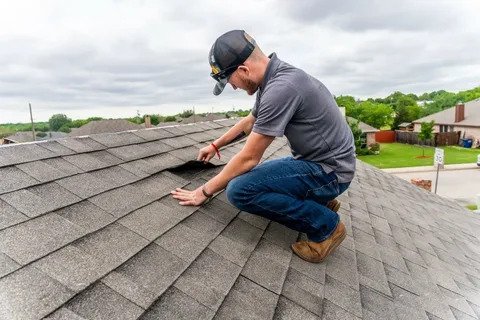
A roof inspection is one of the simplest ways to identify problems before they become expensive. A professional inspection can reveal damaged shingles worn flashing blocked drainage areas loose materials and signs of water intrusion.
Look for Small Problems Early
Minor roofing defects may appear harmless at first. A cracked flashing seal for example can allow moisture to enter beneath the roofing system. Over time that moisture may affect sheathing insulation or interior ceilings.
Regular inspections help identify these concerns while repairs are still relatively manageable.
Consider Seasonal Conditions
Portland properties experience frequent rain and damp conditions. After periods of heavy weather property owners should pay attention to missing roofing materials standing water clogged gutters and visible leaks.
Additionally an inspection after severe wind can help identify damage that may not be obvious from inside the building.
2. Keep Gutters and Drainage Systems Clear
Water management is a major part of effective roof maintenance Portland OR. Gutters and downspouts direct rainwater away from the roof and building foundation.
Why Drainage Matters
When gutters become filled with leaves branches or other debris water can back up onto roofing surfaces. Persistent moisture may contribute to deterioration staining leaks and damage around roof edges.
Therefore keeping drainage systems clear should be part of routine property maintenance.
Watch for Standing Water
Flat and low slope roofs require particular attention to drainage. Standing water that remains after rainfall may indicate blocked drains or drainage design issues.
A qualified roofing professional can assess the area and determine whether cleaning repair or a larger drainage solution is appropriate.
3. Control Moss and Organic Growth
Moss may be common in damp environments but heavy growth should not simply be ignored. It can retain moisture against roofing materials and make roof surfaces more difficult to inspect.
Avoid Aggressive Cleaning
Improper pressure washing or harsh cleaning methods can damage roofing materials. Instead roof cleaning should follow the recommendations appropriate for the specific roofing system.
Century Construction can help property owners understand whether moss removal or other maintenance work is appropriate for an existing roof.
Check Shaded Areas
Trees and nearby structures can reduce sunlight and create damp conditions. Consequently shaded roof sections may require more frequent observation than areas exposed to direct sunlight.
4. Inspect Flashing and Roof Penetrations
Roofing systems contain several areas where materials meet or where pipes and equipment pass through the roof. These locations can become vulnerable when seals deteriorate.
Pay Attention to Vulnerable Areas
Flashing around chimneys vents skylights and other penetrations helps prevent water from entering the structure. Damaged or poorly sealed flashing can create leaks even when the main roofing surface appears to be in good condition.
Interior Warning Signs Matter
Water stains on ceilings or walls may indicate a roofing problem. However the visible stain is not always directly below the source of the leak because water can travel through building materials.
For this reason professional diagnosis is often more reliable than treating only the visible interior damage.
5. Trim Nearby Trees Carefully
Trees provide shade and improve the appearance of a property but branches that extend over a roof can create maintenance challenges.
Reduce Debris
Falling leaves and branches can collect in gutters and drainage areas. During storms larger branches can also damage roofing materials.
Regular tree care can therefore support a broader roof maintenance plan.
Consider Long Term Growth
Branches that are currently far from the roof may eventually become a problem as trees grow. Property owners should consider future growth rather than only the current distance between trees and roofing surfaces.
6. Check the Attic and Interior Spaces
Roof maintenance is not limited to the exterior. The attic can provide useful clues about ventilation moisture and possible roof problems.
Look for Moisture Indicators
Damp insulation musty odors staining or visible moisture can suggest ventilation or water related concerns. These signs deserve prompt attention.
Maintain Proper Ventilation
Good attic ventilation helps manage heat and moisture. Poor ventilation can contribute to condensation and may affect roofing materials over time.
A roofing professional can assess ventilation as part of a broader inspection.
7. Choose Professional Maintenance When Needed
DIY maintenance can be useful for simple tasks such as visual checks from the ground and keeping accessible gutters clear. However walking on a roof without proper training can create safety risks and may cause accidental damage.
Know When Professional Help Is Appropriate
Professional roofing services can be valuable when there are leaks damaged materials recurring drainage problems deteriorated flashing or signs of structural concerns.
Century Construction can provide a professional perspective when a property requires more than basic visual maintenance.
Keep Maintenance Records
A simple maintenance record can make future roofing decisions easier. Dates of inspections repairs cleaning and other work can help establish a clear history of the roofing system.
This information may also help identify recurring problems and support better long term planning.
FAQs
How often should a roof be inspected in Portland?
A professional roof inspection should be considered regularly particularly after severe weather or when warning signs appear. The ideal schedule depends on the roof’s age material condition and exposure.
Does moss always mean a roof needs replacement?
No. Moss does not automatically mean the roof needs replacement. However heavy growth should be evaluated because persistent moisture and organic buildup can contribute to roofing problems.
Why are gutters important for roof maintenance?
Gutters move rainwater away from the roof and building. When they are blocked water can back up and contribute to leaks edge damage and other moisture related issues.
When should a professional roofing contractor be contacted?
Professional help is appropriate when there are leaks damaged shingles or other roofing materials deteriorated flashing standing water or concerns that cannot be safely assessed from the ground.
Conclusion
Effective roof maintenance Portland OR is largely about preventing small concerns from becoming major problems. Regular inspections clear drainage systems controlled moss growth sound flashing proper ventilation and careful tree maintenance can all contribute to a healthier roofing system.
Moreover professional guidance can help property owners make informed decisions about repairs and long term maintenance. A consistent maintenance plan can protect the building while reducing the risk of unexpected roofing costs.