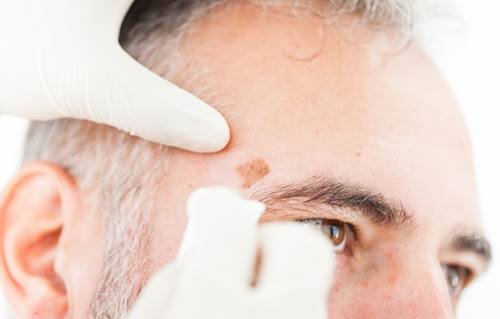
Skin tags are common skin growths that often appear in areas where skin rubs against skin or clothing. They may develop around the neck, underarms, eyelids, groin, or other skin folds. While many skin tags are straightforward to identify, not every skin growth should automatically be assumed to be a skin tag. A proper assessment can help determine whether removal is appropriate and whether further examination may be recommended.
For people considering Skin Tag Removal In UK, an initial clinical assessment can provide useful information about the appearance, location, size, and characteristics of the growth. In some situations, a clinician may recommend additional assessment before proceeding with removal. This can help ensure that the treatment approach is appropriate for the individual skin lesion.
What Is a Skin Tag?
A skin tag is a small, soft growth that usually projects from the surface of the skin. It can be attached to the skin by a narrow stalk or have a broader base. Skin tags can vary in size and may be skin-coloured, slightly darker, or similar in appearance to surrounding tissue.
They are frequently found in areas exposed to repeated friction. Common locations include the neck, armpits, groin, beneath the breasts, and around the eyelids.
Although skin tags are generally easily recognised during a clinical examination, other types of skin growth can sometimes have a similar appearance. This is why an assessment is an important part of planning removal.
Why Is Assessment Important Before Skin Tag Removal?
Before removing a skin growth, a clinician may examine it to understand its characteristics. This usually involves looking closely at the lesion and considering factors such as its shape, colour, size, surface, and position.
The assessment can also help determine whether the growth has features that require additional evaluation. If the appearance is typical of a skin tag, treatment may be discussed directly. If the lesion is unusual or its identity is uncertain, further assessment may be recommended.
This approach allows treatment planning to be based on the actual characteristics of the skin growth rather than simply its location or appearance.
When Might Further Assessment Be Recommended?
Further assessment may be considered when a skin growth does not have the typical appearance of a skin tag. This does not necessarily mean that the growth represents a serious condition. Instead, it may simply mean that the clinician wants more information before deciding on the most appropriate management.
Several factors may influence this decision, including changes in the lesion, uncertainty about its diagnosis, or unusual physical characteristics.
Changes in the Appearance of a Skin Growth
A clinician may recommend further assessment if a growth has changed noticeably over time. Changes can include differences in size, shape, colour, or surface texture.
For example, if a person reports that a previously stable growth has developed a different appearance, the clinician may want to examine it more closely before recommending removal.
Documenting changes over time can also be helpful during a consultation. Patients may be asked when they first noticed the growth and whether its appearance has changed since then.
Unusual Colour or Pigmentation
Most skin tags have a relatively consistent appearance, although their colour can vary naturally. A growth that appears significantly different in colour from a typical skin tag may require closer examination.
Variation in pigmentation can have several explanations, so colour alone does not determine what a skin lesion is. However, an unusual colour may be one of the factors that encourages a clinician to carry out further assessment.
Unclear Diagnosis
Sometimes the main reason for further assessment is simply that the clinician cannot confidently identify the growth as a skin tag during the initial examination.
Different skin lesions can sometimes resemble one another. Depending on the characteristics of the growth, a clinician may therefore recommend additional examination before removal.
This is particularly relevant when a patient has self-identified a growth as a skin tag but has not previously had it assessed professionally.
Changes in Size or Shape
Changes in size or shape may also prompt further evaluation. A clinician may compare the current appearance of the lesion with its previous appearance and consider whether the change is consistent with a typical skin tag.
The size of a skin tag can vary naturally, so an increase in size does not automatically indicate a particular diagnosis. However, noticeable or unexplained changes can be relevant when deciding whether further assessment is appropriate.
A Growth That Looks Different From Other Skin Tags
Some people have several skin tags. If one particular growth looks noticeably different from the others, a clinician may examine it more closely.
For example, one lesion may have a different shape, colour, texture, or attachment to the skin. Comparing similar growths can provide useful context during a clinical assessment.
The purpose of further examination is to establish what the lesion represents and whether removal is suitable.
Location Can Influence Assessment
The location of a skin growth can also influence the assessment process. Skin tags commonly occur in areas affected by friction, but growths in less typical locations may warrant closer examination.
For example, lesions around sensitive or visually important areas may require particularly careful assessment before treatment. The clinician can consider the anatomy of the area and determine which approach is most appropriate.
What Happens During a Skin Tag Assessment?
A typical assessment begins with a discussion about the skin growth. The clinician may ask when it appeared, whether it has changed, and whether there are any factors that have made it more noticeable.
The skin itself can then be examined carefully. The clinician may consider the lesion’s:
- Size
- Shape
- Colour
- Surface appearance
- Texture
- Attachment to the surrounding skin
- Location
- Changes over time
This information helps establish whether the lesion has the typical characteristics of a skin tag or whether additional evaluation would be useful.
When Might a Clinician Recommend Additional Examination?
If the diagnosis remains uncertain after a visual examination, additional examination may be recommended. The exact approach depends on the individual lesion and the clinician’s assessment.
In some circumstances, a clinician may recommend that the lesion be assessed by an appropriate specialist. In other situations, further examination or laboratory analysis of removed tissue may be considered where clinically appropriate.
The decision depends on the appearance and circumstances of the individual lesion rather than simply the fact that a person wants it removed.
Can Skin Tags Be Assessed Before Removal?
Yes. Assessment generally takes place before treatment is planned. This gives the clinician an opportunity to establish whether the growth appears suitable for removal and whether any additional evaluation should take place first.
For patients researching Skin Tag Removal In UK, understanding this assessment stage can make the treatment process clearer. Removal is not simply about physically taking away a visible growth; it also involves determining what the growth is and whether the proposed treatment is appropriate.
What If a Patient Has More Than One Skin Growth?
People may have several skin tags in different areas. During an appointment, each lesion may be considered individually, particularly if they do not all look the same.
One growth may have the typical appearance of a skin tag, while another may require additional assessment. This is why a clinician may examine each lesion rather than assuming that every growth has the same cause.
An individualised assessment can also help determine whether several lesions can be addressed during the same treatment plan.
How Does Previous Skin History Help With Assessment?
A person’s previous skin history can provide useful information during a consultation. Patients may be asked about previous skin lesions, procedures, treatments, or changes they have noticed.
This information does not necessarily determine the diagnosis, but it can provide additional context. Patients should therefore mention any relevant history and explain whether the growth is new or has been present for some time.
When Is Removal Discussed?
Once the clinician has assessed the skin growth and determined that it is appropriate to remove, treatment options can be discussed.
The recommended approach may depend on the lesion’s size, location, attachment, and other physical characteristics. The clinician can explain what the procedure involves and what Stitches And Wound Care In UK may involve if stitches are required for the particular procedure.
Not every skin tag removal procedure requires stitches. The wound-care advice depends on the method used and the individual treatment area.
What Does Wound Care Involve After Removal?
Following a skin procedure, Lump Removal In UK patients may receive specific instructions about keeping the treated area clean and protected. The clinician can explain how to look after the area and whether any dressing is required.
Where stitches are used, patients may also receive information about keeping the wound protected and when they should return for a follow-up appointment.
Good aftercare supports appropriate healing and helps patients understand what to expect during the recovery period.
What If the Growth Is Not a Skin Tag?
If an assessment suggests that a growth may not be a typical skin tag, the clinician may recommend a different management pathway.
Depending on the characteristics of the lesion, this could involve further clinical assessment, specialist review, or another appropriate diagnostic approach. Treatment should be based on the nature of the lesion rather than the patient’s initial assumption about what it is.
This is one reason professional assessment is an important step before arranging removal.
How Does Lump Removal Differ From Skin Tag Removal?
Not every raised skin growth is a skin tag. Some patients may search for Lump Removal In UK when they have noticed a bump or growth but are unsure what it is.
The term “lump” can describe many different types of skin or soft-tissue growths. Their assessment and treatment can therefore vary considerably.
A consultation allows the clinician to determine the characteristics of the lump and decide whether removal is appropriate or whether additional assessment is needed first.
What Should Patients Mention During a Consultation?
Patients can help make an assessment more informative by providing details about the growth. Useful information may include when it first appeared, whether it has changed, and whether there are other similar growths elsewhere.
It can also be helpful to mention any previous assessment or treatment involving the same area.
The more clearly the history of the lesion is understood, the easier it can be for the clinician to develop an appropriate assessment and treatment plan.
Choosing Professional Skin Assessment In The UK
When considering Skin Tag Removal In UK, patients can look for a clinic that provides an appropriate assessment before treatment. A professional consultation allows the clinician to evaluate the lesion and discuss whether removal is suitable.
At Well Life Clinic, skin-related procedures can be discussed as part of an individual consultation. The assessment can help determine the appropriate next step based on the characteristics of the particular skin growth.
Conclusion
Skin tags are common skin growths, but not every raised or hanging skin lesion should automatically be assumed to be a skin tag. Further assessment may be recommended when a growth has an unusual appearance, changes over time, differs from other lesions, or cannot be confidently identified during an initial examination.
For patients considering Skin Tag Removal In UK, professional assessment provides an opportunity to understand the nature of the growth before treatment is planned. It can also help determine whether additional examination, specialist review, or another treatment approach is appropriate.
Whether the concern involves a suspected skin tag, another type of lump, or a lesion requiring removal, an individual clinical assessment can provide a clear basis for deciding the next step.
Frequently Asked Questions
When should a skin tag be assessed by a clinician?
A skin growth can be assessed when its identity is uncertain, its appearance has changed, or it looks different from typical skin tags. Professional assessment can help determine whether removal is appropriate.
Can a skin tag change in appearance?
Skin tags can vary in size, colour, and shape. However, a noticeable or unexplained change may lead a clinician to recommend closer assessment before removal.
Is further assessment always needed before skin tag removal?
Not necessarily. If a clinician can confidently identify the growth as a typical skin tag, treatment may be discussed directly. Further assessment depends on the characteristics of the individual lesion.
What happens during a skin tag consultation?
The clinician usually discusses the history of the growth and examines its size, shape, colour, texture, location, and other characteristics. The findings help determine the appropriate next step.
Can several skin tags be assessed during one appointment?
Yes. Multiple growths can be discussed during a consultation. Each lesion may be examined individually, particularly if some look different from others.
What if a lump is not a skin tag?
If a growth does not appear to be a typical skin tag, the clinician may recommend further assessment or an alternative management approach based on its characteristics.
What is included in stitches and wound care?
Where stitches are required, patients may receive instructions about keeping the area clean and protected and information about follow-up. Specific advice depends on the procedure and treatment area.
Does every skin tag removal procedure require stitches?
No. Whether stitches are needed depends on the removal technique, size and location of the growth, and other clinical considerations.
Why is professional assessment important before removal?
Assessment helps establish what the growth is and whether removal is appropriate. It also allows the clinician to identify situations where further examination may be useful.
Can a patient request removal without an assessment?
A consultation is generally useful before treatment because the clinician needs to examine the growth and determine the appropriate treatment approach.
What should I tell the clinician about my skin growth?
You can explain when you first noticed it, whether it has changed in size or appearance, and whether you have similar growths elsewhere. Previous treatment or assessment can also be relevant.
Where can patients discuss skin tag removal in the UK?
Patients can arrange a consultation with an appropriate private clinic to have the skin growth assessed and discuss whether removal is suitable. Well Life Clinic provides skin surgery services where patients can discuss their individual concerns and treatment options.