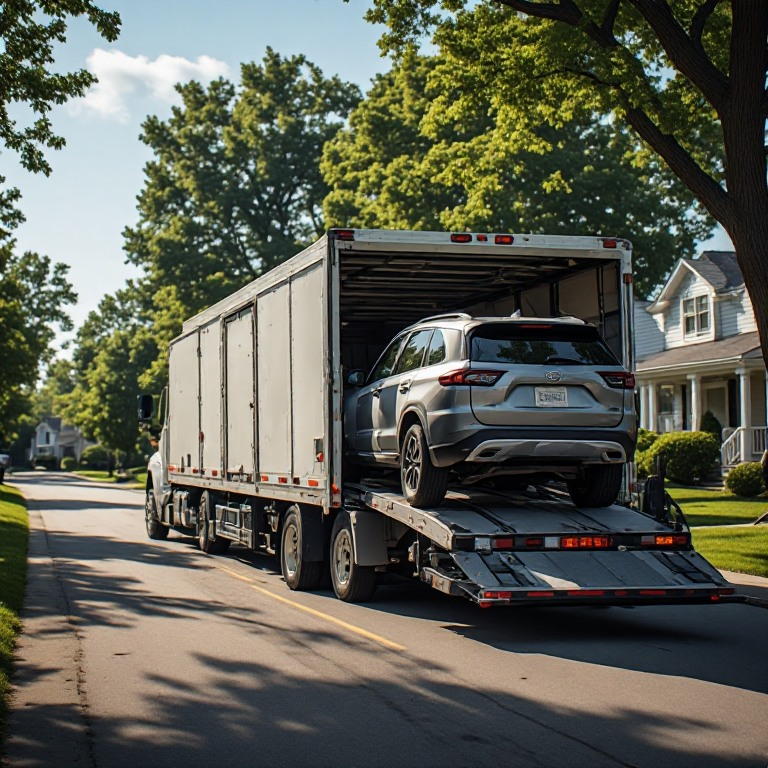
Moving a vehicle across state lines can be a practical alternative to adding hundreds or thousands of miles to your odometer. Whether you’re relocating for work, buying a car from another state, sending a vehicle to a family member, or preparing for a seasonal move, deciding to ship car services can simplify the journey. The process becomes much easier when you understand how pricing, scheduling, carrier types, and vehicle preparation work.
Start With the Route, Not the Guesswork
The first step in arranging interstate vehicle transportation is identifying the exact pickup and delivery locations. A shipment between major cities may follow a different pricing structure from one involving rural areas.
Distance matters, but it is only one part of the calculation. Transport companies may also consider:
- Pickup and delivery accessibility
- Current carrier availability
- Vehicle size and weight
- Seasonal demand
- Fuel and operating expenses
- Open or enclosed transportation
- Requested delivery timeframe
Providing accurate addresses and vehicle information when requesting a quote can help create a more realistic estimate.
What Goes Into the Shipping Price?
There isn’t one universal price for every vehicle shipment. Two customers traveling similar distances can receive different quotes because their circumstances may not be identical.
For example, a standard sedan transported on an open carrier is generally a different shipment from a large SUV requiring additional space. Likewise, flexible scheduling may provide different options than a time-sensitive request.
When you ship car arrangements, ask what is included in the quoted amount. Understanding the service details can help prevent confusion later.
A useful quote should clearly explain the transportation service, pickup and delivery arrangements, and any applicable fees or conditions.
Choosing Between Open and Enclosed Transport
Your vehicle and personal priorities can influence the carrier type you select.
- Open transport is widely used for everyday cars, SUVs, and trucks. Multiple vehicles can travel together on a carrier, making it a common option for interstate transportation.
- Enclosed transport places vehicles inside a covered trailer. It can provide additional protection from road debris and weather exposure, making it an option frequently considered for classic, luxury, collectible, or specialty vehicles.
Neither option is automatically appropriate for every shipment. Consider your vehicle’s value, condition, and transportation requirements before making a selection.
Timing Your Move Around Real-World Logistics
Vehicle transportation isn’t always as simple as choosing a departure date and expecting a vehicle to arrive at a precise hour. Carrier schedules depend on routes, traffic, weather, loading arrangements, and other deliveries along the journey.
For that reason, it is useful to arrange transportation before your preferred moving date whenever possible.
If your schedule is flexible, mention that when requesting a quote. If you need faster service, explain your deadline clearly so the transportation provider can discuss available options.
Rapid Auto Shipping helps customers coordinate vehicle moves around their preferred schedules while considering route and carrier availability.
Prepare Your Vehicle Before Pickup
A little preparation can make the handoff easier.
Before the carrier arrives, remove personal belongings and unnecessary accessories from the vehicle. Check the vehicle’s general condition and document existing exterior damage with photographs. Keeping a record can make the inspection process more straightforward.
It is also helpful to confirm that:
- The vehicle has sufficient fuel for loading and unloading.
- Tires are properly inflated.
- The battery is secure.
- The vehicle can be safely accessed for pickup.
- Special instructions are communicated in advance.
If the vehicle has mechanical issues, modified equipment, or limited mobility, tell the transport coordinator before pickup.
When Door-to-Door Delivery Makes Sense
Door-to-door transportation can provide added convenience because the carrier attempts to collect and deliver the vehicle as close as practical to the requested locations.
However, large carriers need sufficient room to maneuver safely. Narrow streets, low bridges, restricted neighborhoods, or congested areas may prevent a truck from reaching an exact address.
In those circumstances, the carrier and customer may arrange a nearby accessible meeting location. Providing accurate location information early can reduce last-minute complications.
How to Make Your Quote More Useful
Instead of asking only, “How much does it cost to ship my car?” provide enough information for a meaningful estimate.
Include your:
Pickup location + delivery location + vehicle type + approximate shipping date + preferred carrier type
You can also explain whether the vehicle runs normally and whether your dates are flexible.
Comparing quotes is useful, but price should be considered alongside the actual service being offered. A lower number may reflect different timing, equipment, or service conditions.
A Simple Interstate Shipping Checklist
Before booking, take a few minutes to confirm the basics:
- Verify the route.
Make sure pickup and delivery details are correct. - Review the quote.
Understand the services and conditions included. - Select transportation type.
Decide whether open or enclosed shipping better suits the vehicle. - Prepare the car.
Remove belongings and document its condition. - Confirm pickup details.
Know the expected pickup window and contact information. - Stay reachable.
Keep communication open during pickup and delivery.
These small steps can help create a smoother transportation experience.
Why Planning Early Can Help
Interstate vehicle transportation involves multiple moving parts. Carrier availability can change according to season, route demand, and scheduling conditions. Planning ahead gives you more time to compare service options and coordinate your vehicle’s movement with your relocation plans.
For customers who need to ship car across state lines, Rapid Auto Shipping provides transportation coordination for different vehicle types and routes throughout the USA. The team can help customers understand available options and organize pickup and delivery details according to their transportation needs.
Move Your Vehicle With a Clear Plan
When you ship car from one state to another, understanding the process before booking can make the experience considerably easier. From selecting the right carrier type to preparing your vehicle and coordinating realistic delivery expectations, each decision contributes to a smoother move.
With careful planning and clear communication, interstate vehicle transportation can fit naturally into a relocation, purchase, seasonal move, or business requirement. Rapid Auto Shipping helps customers coordinate these details and arrange vehicle transportation across the USA.
Frequently Asked Questions
- How far in advance should I arrange car shipping?
Planning several days or weeks ahead can provide more scheduling flexibility. However, availability depends on the route, season, and requested timeframe.
- Is open car transport safe for regular vehicles?
Open transport is commonly used for everyday vehicles and allows several cars to travel together. Your vehicle’s specific needs should determine the most appropriate option.
- Can I put personal items inside my car?
Policies regarding personal belongings can vary. Ask the transportation provider about its current rules before loading anything into the vehicle.
- Does the car need to be operational?
A running vehicle is generally easier to load and unload. If your car does not run, inform the provider beforehand so appropriate arrangements can be discussed.
- How long does interstate car shipping take?
Transit time varies based on distance, route, traffic, weather, carrier schedules, and pickup or delivery conditions. A provider can give you a more specific estimated timeframe after reviewing your shipment details.