Clear and healthy vision plays an important role in everyday life, from reading and working to driving and enjoying outdoor activities. Finding the Best Eye Specialist in Lahore can help patients receive appropriate evaluation, diagnosis, and treatment for a wide range of vision concerns. Modern ophthalmology combines professional expertise with advanced diagnostic methods to provide care that is tailored to individual eye health needs.
Choosing the Best Eye Specialist in Lahore is not simply about finding a professional who can prescribe glasses. Modern eye treatment may involve comprehensive examinations, advanced imaging, laser vision correction, cataract management, glaucoma care, corneal treatment, retinal evaluation, and long-term monitoring. A qualified specialist can assess the condition of the eyes and explain which treatment options may be appropriate.
Understanding Modern Eye Treatment
Modern eye treatment has developed significantly with improvements in diagnostic technology and surgical techniques. Eye specialists can now evaluate different structures of the eye in greater detail and use this information to develop more personalized treatment plans.
Treatment may range from corrective lenses and medication to laser procedures and surgery. The appropriate option depends on the patient’s symptoms, diagnosis, age, general health, and the condition of the eyes.
Why Specialist Eye Care Matters
Vision problems can have many different causes. Blurred vision may result from a refractive error, cataract, dry eye, corneal condition, retinal disorder, or another eye problem. Because similar symptoms can occur with different conditions, accurate diagnosis is essential.
An eye specialist can examine the eyes systematically and determine whether further testing is needed. This approach allows treatment to focus on the actual cause of the problem rather than simply managing the visible symptom.
Comprehensive Eye Examinations
A comprehensive eye examination goes beyond checking whether a person can read letters from a distance. Depending on the patient’s age, symptoms, and medical history, the examination may include several assessments.
The specialist may evaluate visual acuity, eye pressure, the cornea, lens, retina, optic nerve, and other structures. Additional diagnostic tests may be recommended when the examination indicates a potential concern.
Refractive Error Treatment
Refractive errors are among the most common causes of blurred vision. Myopia affects distance vision, hyperopia can affect near vision, and astigmatism may produce blurred or distorted vision at different distances.
Procedures such as LASIK or PRK require careful screening. The specialist may assess prescription stability, corneal thickness, corneal shape, tear-film health, and overall ocular condition before determining whether laser treatment is suitable.
Modern Cataract Treatment
Cataracts occur when the natural lens inside the eye becomes cloudy. They are commonly associated with ageing, although other factors can also contribute to cataract development.
Patients with cataracts may notice gradually blurred vision, difficulty seeing at night, increased sensitivity to light, or changes in colour perception. When cataracts begin to interfere with daily activities, an ophthalmologist may discuss surgical treatment.
Modern cataract surgery involves removing the cloudy natural lens and replacing it with an artificial intraocular lens. The choice of lens depends on several factors, including eye health and the patient’s visual requirements.
Glaucoma Detection and Management
Glaucoma can damage the optic nerve and may lead to permanent vision loss. One of the challenges associated with glaucoma is that some forms can progress gradually without obvious symptoms.
Regular eye examinations can help identify changes that may indicate glaucoma. Depending on the type and severity of the condition, management may involve medication, laser treatment, surgery, or a combination of approaches.
Retinal Eye Care
The retina is a light-sensitive layer located at the back of the eye and plays a vital role in vision. Retinal conditions can affect central vision, peripheral vision, or both.
Patients may require specialist retinal assessment when they experience sudden changes in vision, flashes, a sudden increase in floaters, or other unusual visual symptoms. People with certain systemic conditions may also require regular retinal monitoring.
Corneal and Surface Eye Treatment
The cornea is the transparent outer surface of the eye and contributes significantly to focusing light. Problems affecting the cornea can cause blurred vision, irritation, pain, or sensitivity to light.
Modern eye care may include evaluation and treatment for corneal disorders, infections, injuries, and other surface-related conditions. Dry eye disease is another common concern that can affect comfort and visual quality.
The Role of Advanced Diagnostic Technology
Technology is an important component of modern ophthalmology. Diagnostic equipment can provide detailed information about the eye and support specialists in detecting abnormalities.
Imaging technologies may help assess the retina, optic nerve, cornea, and other structures. Measurements can also assist with planning procedures such as cataract surgery and laser vision correction.
Personalized Treatment Planning
Every patient’s visual needs are different. Two people with similar prescriptions may have different eye structures or medical conditions that affect their treatment options.
Personalized treatment begins with a detailed consultation. The specialist considers the patient’s symptoms, previous treatment, prescription history, age, lifestyle, and examination results.
This approach can help patients understand why a particular treatment has been recommended. It also allows them to discuss alternatives and potential limitations before making a healthcare decision.
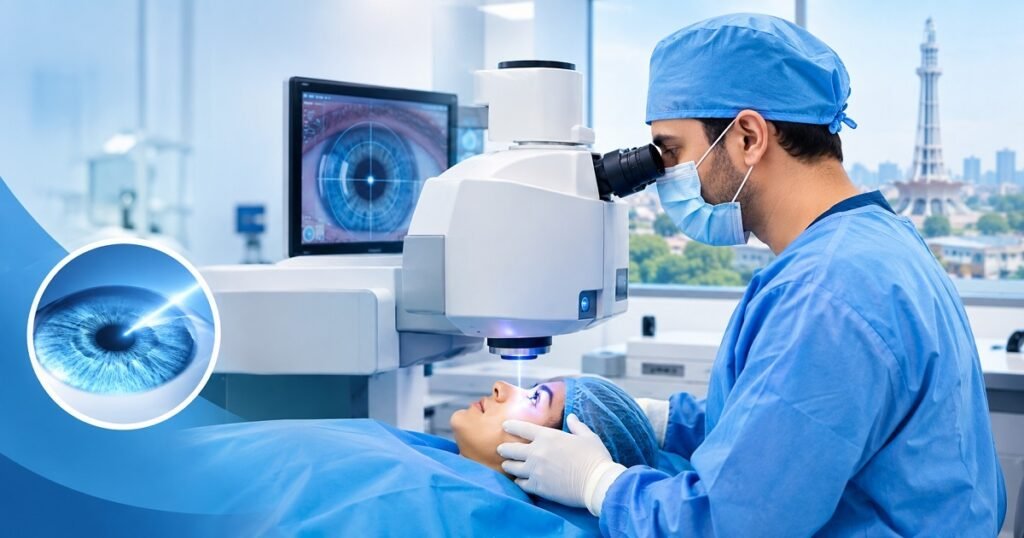
When Laser Eye Surgery May Be Considered
Laser vision correction can be an option for some adults who want to reduce their dependence on glasses or contact lenses. However, it is not appropriate for every patient.
Before recommending laser treatment, an eye specialist may assess corneal thickness and shape, prescription stability, tear-film condition, and general eye health. Existing conditions may need to be treated before refractive surgery can be considered.
Eye Care for Different Age Groups
Eye health needs change throughout life. Children may require examinations to identify refractive errors and other developmental concerns. Adults often seek care for changing prescriptions, dry eye, digital eye strain, or other common problems.
As people age, the risk of conditions such as cataracts, glaucoma, and certain retinal disorders increases. Regular examinations can therefore become increasingly important.
Eye Emergencies and Warning Signs
Some visual symptoms require prompt professional attention. Sudden loss of vision, severe eye pain, significant trauma, sudden flashes, or a rapid increase in floaters should not be ignored.
Emergency eye care can be important because some conditions may progress quickly and require timely assessment. Patients experiencing unusual or sudden changes should seek professional medical advice rather than relying solely on home remedies.
Choosing an Eye Specialist in Lahore
When looking for the Best Eye Specialist in Lahore, patients should consider qualifications, experience, diagnostic capabilities, treatment options, and follow-up care. The specialist should be willing to explain the diagnosis and discuss suitable treatment options clearly.
Patients can also consider whether the clinic or hospital provides the services needed for their particular condition. Someone seeking laser vision correction may require different facilities from someone needing retinal or glaucoma care.
A thorough consultation is an important part of choosing appropriate eye care. Patients should feel comfortable asking about the purpose of tests, expected treatment, recovery requirements, and follow-up arrangements.
Preparing for an Eye Consultation
Patients can make their appointment more useful by bringing previous prescriptions, medical records, current medication information, and existing glasses or contact lenses. Regular examinations, timely diagnosis, and appropriate treatment can help protect vision and support long-term eye health. Whether a patient needs routine testing or specialized treatment, professional guidance remains essential. By understanding their options and discussing their needs with a qualified specialist, patients can take informed steps toward maintaining clearer and healthier vision.
FAQs
What does an eye specialist treat?
An eye specialist can diagnose and manage conditions involving vision, the cornea, lens, retina, optic nerve, and other parts of the eye.
How often should I have an eye examination?
The recommended frequency depends on age, symptoms, risk factors, and existing eye conditions. A specialist can recommend an appropriate schedule.
Can an eye specialist perform laser vision correction?
Some ophthalmologists are trained to perform laser vision correction. A complete evaluation is required to determine whether a patient is suitable.
Can cataracts be treated without surgery?
Early cataracts may sometimes be managed with updated vision correction and environmental adjustments, but surgery is the definitive treatment when a cataract significantly affects vision.
When should I seek urgent eye care?
Sudden vision loss, severe eye pain, major eye injury, sudden flashes, or a rapid increase in floaters should receive prompt professional assessment.