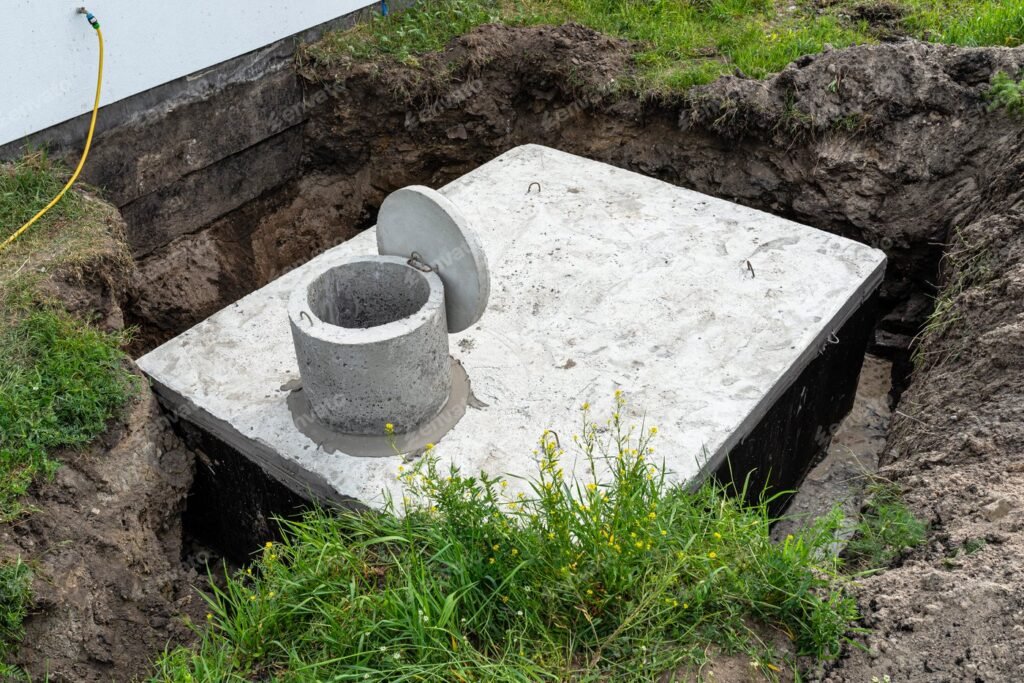
An aerobic septic system in Temple, TX is a type of onsite wastewater treatment system used for properties that are not connected to a public sewer. Unlike a traditional septic system, an aerobic system uses oxygen to help break down wastewater. This process can provide a higher level of wastewater treatment before the treated water is released into the disposal area. Aerobic treatment units are commonly used where site, soil, or property conditions make them a suitable choice. In Texas, septic systems are regulated as on-site sewage facilities, and proper design, installation, operation, and maintenance are important for safe and reliable performance.
What Is an Aerobic Septic System?
An aerobic septic system, also called an Aerobic Treatment Unit (ATU), is designed to treat household wastewater with the help of oxygen. A traditional septic tank mainly uses bacteria that work without oxygen. An aerobic system adds air to the treatment process, allowing oxygen-loving bacteria to break down waste more actively.
The system usually includes several important parts, such as a treatment tank, air pump, settling area, and a wastewater disposal system. Some systems also use disinfection before the treated water is distributed.
Because aerobic systems have mechanical and electrical parts, they need more attention than a basic septic tank. TCEQ notes that aerobic systems are more complex and require regular maintenance to operate correctly.
How Does an Aerobic Septic System Work?
The treatment process happens in several steps.
First, wastewater from toilets, sinks, showers, and other household plumbing flows into the system. Solid waste begins to settle inside the tank.
Next, an air pump adds oxygen to the wastewater. This creates an environment where aerobic bacteria can grow. These bacteria help break down organic material in the wastewater.
After biological treatment, the wastewater moves through another part of the system where additional solids can settle. Depending on the system design, the treated water may then go through a disinfection process before reaching the disposal area.
Finally, the treated wastewater is distributed through a permitted disposal method, such as a spray or drip system. The exact design depends on the property and the approved septic system plan.
Why Choose an Aerobic Septic System in Temple, TX?
There are different types of septic systems, and the right system depends on the property. An aerobic system may be considered when a conventional septic system is not the best option based on site conditions.
Some possible benefits include:
- More advanced wastewater treatment
- Better breakdown of organic waste
- Flexible system designs
- Options for different disposal methods
- Suitable for certain properties with site limitations
- Can provide treated wastewater for approved disposal systems
However, an aerobic system is not automatically the right choice for every home. A proper site evaluation and system design should be completed before installation. TCEQ recommends considering site conditions, installation costs, ongoing maintenance, repair costs, and the expected life of the system when choosing an onsite sewage facility.
Aerobic Septic System Installation
Installing an aerobic septic system requires careful planning. The system should be designed according to the property, expected wastewater use, soil conditions, and approved disposal method.
Before installation, the property generally needs a site evaluation. The results help determine what type of wastewater treatment and disposal system is appropriate.
In Texas, a permit and approved plan are required to construct, alter, repair, extend, or operate an onsite sewage facility. Secondary treatment systems such as aerobic treatment units have specific design and installation requirements.
A professional installer can help with important steps such as:
- Evaluating the property
- Planning the system location
- Selecting the correct treatment unit
- Installing tanks and equipment
- Installing pumps and distribution components
- Connecting the system
- Checking system operation
- Completing required permitting steps
Proper installation can help reduce future problems and improve system performance.
Aerobic Septic System Maintenance
Regular maintenance is one of the most important parts of owning an aerobic septic system. Since these systems use equipment such as air pumps and other mechanical components, problems can occur if the system is ignored.
TCEQ explains that regular inspection and maintenance help ensure that aerobic systems continue to work correctly. Depending on the system and local requirements, maintenance may need to be performed by a qualified provider. Some homeowners may perform certain maintenance activities when permitted and after meeting applicable requirements.
Basic maintenance can include checking:
- Air pump operation
- Electrical components
- Pumps and floats
- Tank condition
- Sludge levels
- Disinfection equipment
- Spray or drip distribution components
- Alarms and warning systems
Keeping maintenance records is also useful. If a problem develops, these records can help a professional understand the system’s history.
Signs Your Aerobic Septic System Needs Attention
Homeowners should pay attention to changes in how their septic system operates. Some problems may become worse if they are ignored.
Common warning signs include:
- Unpleasant sewage odors
- Slow drains
- Sewage backing up into the home
- Wet areas near the disposal field
- Standing water
- Unusual sounds from the system
- An alarm going off
- Poor spray distribution
- Sewage or wastewater appearing on the ground
An alarm should not be ignored. It may indicate a problem with the pump, electrical system, water level, or another component.
If wastewater is backing up into the home or surfacing around the system, professional inspection is important.
How to Protect Your Aerobic Septic System
Good everyday habits can help protect an aerobic septic system. Avoid putting grease, oils, harsh chemicals, and unnecessary waste down household drains.
Do not flush items such as wipes, paper products other than toilet paper, cigarette butts, or other trash. TCEQ also advises homeowners not to use chemical additives or enzymes in an onsite sewage system because some products may harm normal system operation.
It is also important to control water use. Too much wastewater entering the system in a short period can overload the system. Fix leaking toilets and faucets, spread out laundry loads, and avoid wasting water.
Keep vehicles and heavy equipment away from the septic system and disposal area. Do not build structures, patios, driveways, or other heavy surfaces over the system unless specifically allowed by the approved design.
Aerobic Septic Systems and Texas Requirements
Texas has specific requirements for onsite sewage facilities. TCEQ provides rules and guidance covering septic system design, permitting, installation, maintenance, and operation.
Aerobic systems can have additional maintenance and testing requirements because they provide secondary treatment and use mechanical components. TCEQ recommends that homeowners check with their local permitting authority because local requirements can be more restrictive than general state requirements.
For homeowners in Temple, understanding these requirements before installing or modifying a septic system can help prevent problems with permits and system operation.
Professional Aerobic Septic Services in Temple, TX
An aerobic septic system can be a useful wastewater treatment option for properties without access to a public sewer. However, these systems need proper planning, installation, maintenance, and regular attention.
If you are considering an aerobic septic system in Temple, TX, start with a professional site evaluation and make sure the system is designed for your property’s needs. Regular maintenance can help identify equipment problems early and keep the system working properly.
Whether you need a new aerobic septic system, system inspection, maintenance, troubleshooting, or repairs, working with a qualified septic professional can help protect your property and keep your wastewater system operating as intended.