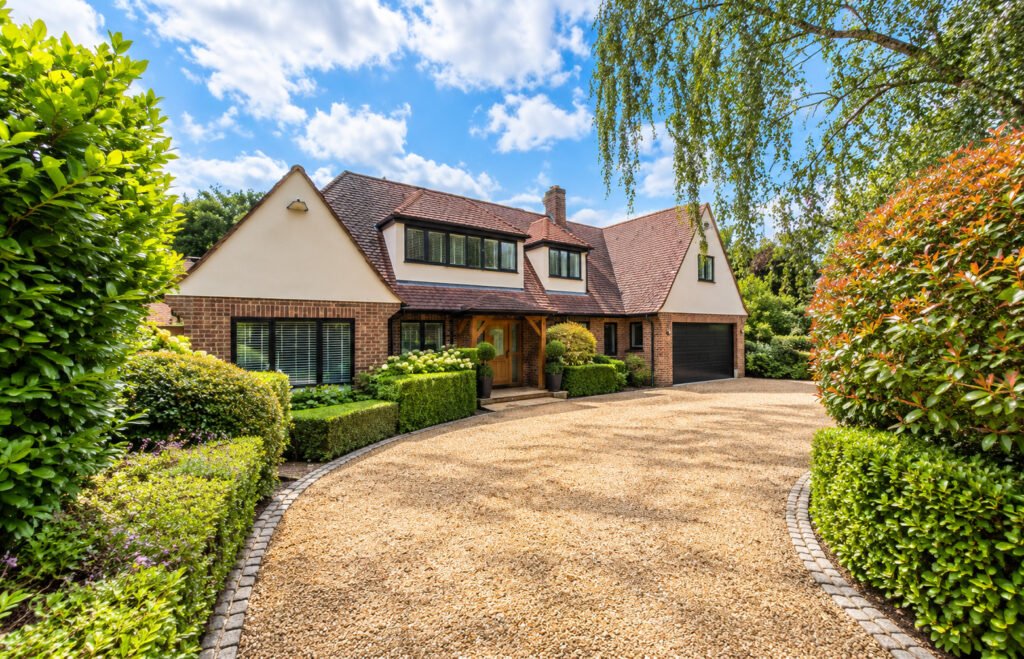
A driveway has an important role in the appearance and practicality of a property. It needs to cope with vehicles, changing weather and regular everyday use while also creating a good first impression.
Tarmac is one of the most established driveway surfaces in the UK. It is widely recognised for its practical appearance, durability and relatively straightforward installation. However, like any driveway material, it has advantages and disadvantages that homeowners should consider before making a decision.
Understanding the likely costs, maintenance requirements and long-term performance can help you decide whether tarmac is suitable for your property.
What Is a Tarmac Driveway?
Tarmac, commonly referred to as asphalt in some contexts, is a mixture of aggregates and bitumen that creates a solid, durable surface.
It is commonly used for roads, paths, car parks and residential driveways. For homes, it provides a relatively simple appearance that can work well with both traditional and modern properties.
The finished surface is generally dark in colour and can create a neat contrast with brickwork, walls, fencing and garden landscaping.
Why Do Homeowners Choose Tarmac?
One of the main reasons homeowners choose tarmac is practicality. It provides a strong surface that can withstand regular vehicle use when installed correctly.
It can also be suitable for different driveway shapes and sizes. Whether the area is compact or large, the surface can be planned around the property’s layout.
Another advantage is its relatively understated appearance. Homeowners who prefer a simple driveway without decorative patterns may find tarmac particularly appealing.
The Main Benefits of Tarmac
Durability
A properly constructed tarmac driveway can provide many years of service. Its performance depends on the quality of the materials, ground preparation, drainage and installation.
It is designed to cope with regular vehicle traffic, making it suitable for households where the driveway is used frequently.
Practical Appearance
Tarmac has a clean and straightforward appearance. It can work particularly well when homeowners want the driveway to complement rather than dominate the exterior of the property.
The dark surface can also provide an effective backdrop for lighter edging, walls and landscaping.
Relatively Fast Installation
Compared with some more detailed paving projects, tarmac can often be installed efficiently once the site has been properly prepared.
The installation time will depend on the size and condition of the area, access, ground preparation and other requirements.
Suitable for Larger Areas
Tarmac can be particularly practical for larger driveways because it creates a continuous surface rather than requiring individual blocks to be laid across the entire area.
This can make it an appealing option for properties requiring substantial parking or vehicle access.
Potential Disadvantages
Although tarmac has several advantages, it is not perfect for every property.
Less Decorative Than Some Alternatives
Tarmac generally has a simpler appearance than block paving, natural stone or patterned concrete.
Homeowners looking for intricate patterns, multiple colours or highly decorative finishes may prefer another material.
Can Develop Cracks
Like other driveway surfaces, tarmac can develop cracks or damaged areas over time. Ground movement, poor preparation, water problems and heavy use can all contribute to deterioration.
Professional installation and suitable maintenance can help reduce these risks.
Colour Can Change Over Time
Fresh tarmac has a strong dark appearance, but exposure to sunlight, weather and general use can gradually affect its colour.
This is a normal part of outdoor surface ageing and does not necessarily mean the driveway has failed.
What Does a Tarmac Driveway Cost?
The cost of a tarmac driveway depends on several factors, so there is no single price that applies to every property.
The size of the driveway is one of the most obvious considerations. Larger areas require more materials and labour.
Other factors include the condition of the existing surface, excavation requirements, the depth of the new construction, drainage, edging and access to the property.
If an old driveway needs to be removed before the new surface is installed, this will also affect the overall project cost.
Rather than choosing a contractor based solely on a headline price, homeowners should request a detailed quotation showing what is included.
Why Ground Preparation Matters
The foundation beneath a driveway is extremely important. Tarmac should not simply be placed over an unsuitable or unstable surface.
Depending on the existing conditions, the area may need excavation before a suitable sub-base is installed and compacted.
The foundation needs to be strong enough to support expected vehicle traffic. Poor preparation can contribute to sinking, cracking and other problems later.
A professional assessment can identify whether additional preparation is required before installation.
Drainage and Water Management
Water is one of the factors that should always be considered when planning a driveway.
The finished surface needs suitable falls so rainwater can move away effectively. Drainage should be planned around buildings, paths, gardens and existing ground levels.
If water repeatedly collects on or around the driveway, it can contribute to surface deterioration and may create problems around the property.
Good drainage planning should therefore be part of the initial design rather than something considered after the surface has been completed.
Tarmac Compared With Other Driveway Materials
Homeowners can choose from several driveway surfaces, including block paving, resin, gravel, concrete and natural stone.
Block paving provides greater design flexibility and allows individual blocks to be replaced if necessary. Gravel can offer a more informal appearance and may be suitable for certain property styles.
Resin provides a smooth decorative finish, while concrete can be available in a variety of colours and patterns.
Tarmac tends to appeal to homeowners who prioritise durability, practicality and a relatively simple appearance.
When Might Driveway Replacement Be Necessary?
An old driveway may eventually show signs of significant wear. Cracks, potholes, sinking, poor drainage and extensive surface deterioration can all indicate that repairs may no longer be the most practical solution.
In some cases, Driveway replacement can provide a better long-term result than repeatedly repairing isolated areas.
However, replacement is not always necessary. A professional inspection can help determine whether the existing surface can be repaired or whether a completely new driveway would be more appropriate.
Choosing the Right Contractor
The quality of installation can have a major influence on how long a tarmac driveway performs.
When comparing contractors, ask about their experience, preparation methods, materials and drainage approach. A detailed quotation should explain what work will be carried out rather than simply providing a final figure.
A Tarmac Contractor Driveway service should also be able to explain how the driveway will be constructed and what preparation is required for your particular property.
Look for clear communication and evidence of previous work before making your final decision.
Is Tarmac Worth It?
For homeowners who want a practical, durable and relatively straightforward driveway surface, tarmac can be a worthwhile investment.
It may not provide the decorative flexibility of block paving or natural stone, but its strength and simple appearance make it suitable for many residential properties.
The key is to ensure that the surface is properly designed, prepared and installed. A good foundation and effective drainage can make a significant difference to long-term performance.
Final Thoughts
Tarmac remains a practical driveway choice for homeowners who value durability, straightforward design and reliable everyday performance. While it has some limitations in terms of decorative options, it can provide a strong and functional surface when installed correctly.
Before making a decision, consider your property’s layout, parking requirements, drainage, budget and preferred appearance. Comparing the long-term benefits of different materials can help you choose a driveway that suits your needs rather than simply selecting the cheapest option.
If you are considering a new tarmac driveway, driveway replacement or wider outdoor improvements in Morecambe, Advanced Driveway Solutions can help you explore suitable options for your property. The team can discuss tarmac, block paving, resin, gravel, concrete and other driveway solutions based on your space and requirements.
Advanced Driveway Solutions
10 Altham Rd, Morecambe LA4 4UG, United Kingdom
+44 7944 680279
Whether your existing driveway needs replacing or you are planning a completely new entrance, contact Advanced Driveway Solutions to discuss your requirements and explore practical driveway and paving solutions for your Morecambe property.