Finding wasps around a house can raise a simple question: why did they choose that exact spot? Roof edges, eaves, sheds, and wall spaces offer shelter, warmth, and protection from disturbance. For homeowners considering wasp nest removal in Michigan, knowing why these locations attract wasps can help them spot nesting activity early and decide if professional help is needed.
A Safe Shelter Matters to Wasps
Wasps need a place where their nest can stay protected. Roof edges and eaves often provide cover from rain and strong sunlight. These areas also have small gaps that can give a colony easy access to a protected space.
A sheltered location can help keep the nest stable as the colony grows. Wasps may also choose spots that are hard for people or animals to reach. This makes roof spaces and upper parts of buildings useful nesting sites.
Eaves Offer the Right Cover
Eaves are a common nesting area because they sit under the edge of a roof. This gives wasps a covered space while still allowing easy movement in and out.
Small openings near fascia boards, roof joints, and soffits can also provide access. A nest may be visible from the ground, or it may sit farther inside a narrow gap.
Regular checks around roof edges can help homeowners notice wasp activity before the nest becomes difficult to reach. A steady flow of wasps near one small area can be a useful sign that the insects are using that space.
Sheds Give Wasps Quiet Corners
Sheds can provide many places for a colony to settle. Roof joints, wall gaps, rafters, and spaces behind stored items may offer shelter with little disturbance.
A shed also has another advantage. It may be close to plants, insects, and other food sources. Adult wasps need food for themselves and may also carry insects back to the nest for developing young.
Seeing wasps repeatedly enter one small area of a shed can be a useful clue that a nest is nearby. Checking these areas from a safe distance can help homeowners notice changes in wasp activity without getting close to the nest.
Wall Voids Can Hide a Growing Colony
Wall spaces are harder to assess because the nest may be hidden from view. Wasps can enter through small openings around vents, roof lines, pipes, or damaged sections of a building.
A homeowner may only notice insects flying in and out of one opening. This does not show how large the nest is or how far inside the structure it sits.
Trying to disturb a hidden nest can cause defensive behavior. A professional inspection can help identify the entry point and assess the location before removal is planned. This is especially useful for nests inside walls, since reaching the colony may require a different approach.
Why Location Changes the Removal Approach
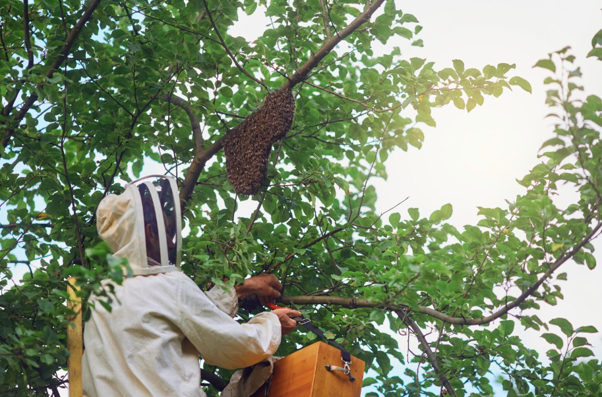
The position of a nest affects how it should be handled. A nest under an easy-to-reach eave may require a different approach from one inside a wall void or high roof space.
Professional pest technicians assess access, nest location, wasp activity, and nearby areas before choosing a suitable control method. This helps reduce unnecessary disturbance and supports safer removal.
The aim is to deal with the active nest rather than simply removing wasps seen outside. Finding the main nesting area also helps explain why wasps keep returning to the same part of the property.
Spotting Activity Before It Grows
Repeated wasp movement around one part of a building can signal nesting activity. Look for steady traffic near roof edges, holes, wall openings, shed corners, or sheltered spaces.
A visible nest is not the only clue. Regular entry and exit from the same opening can also point to a hidden colony.
Early attention can make the problem easier to assess and may prevent the nest from becoming a larger concern for people using the property. Homeowners should avoid blocking an active opening or poking into a suspected nest, as this can disturb the colony.
Wrap Up:
A wasp nest should not be disturbed simply because its location is known. The type of wasp, nest position, access point, and level of activity all matter. If wasps are using your roof, eaves, shed, or wall spaces, a qualified exterminator for bees and wasps Michigan homeowners can contact can inspect the site and explain the safest next step.
Do not disturb a suspected nest on your own. Contact a professional pest control service for an inspection and get the nest assessed before removal begins.