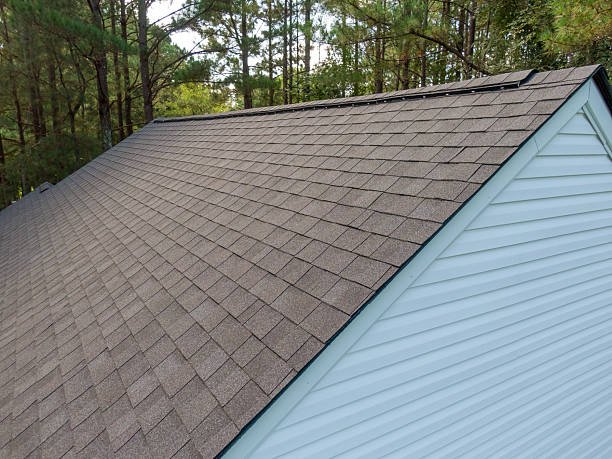
A series of high-resolution aerial inspection photos capturing a newly installed architectural asphalt shingle roof on a residential structure. The shingles feature a multidimensional "driftwood" or "weathered wood" color palette, providing a thick, layered appearance typical of high-quality composite materials. The inspection angles cover critical flashing points, ridge vent alignment, and uniform shingle courses. The installation shows clean edge cuts along the rakes and consistent exposure levels throughout. The roof is set against a backdrop of manicured lawns and mature woodland, with the drone perspective allowing for a total surface area assessment and detail verification of the hip and ridge caps.
Funny thing about roofs. Nobody thinks about them until water’s dripping onto their kitchen table. Then suddenly it’s the only thing on your mind. I’ve talked to a lot of homeowners over the years, and the questions are almost always the same—how much, how long, and who do I trust with this. Roof installation isn’t cheap, and it’s not something you want to mess up either. So let’s actually get into it, no fluff.
What Roof Installation Actually Involves
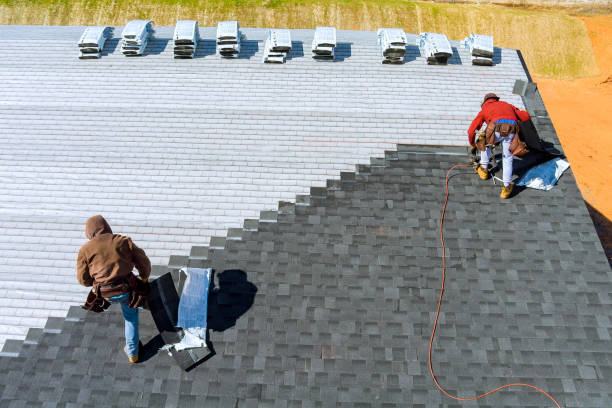
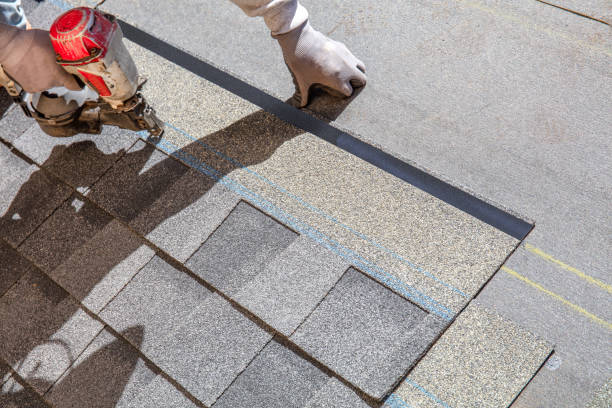
People think it’s just slapping shingles on top of a house. It’s not, not even close. A proper roof installation starts with tearing off the old material—assuming there’s already a roof there, which there usually is—then inspecting the decking underneath for rot or soft spots. You’d be surprised how often contractors find water damage that’s been sitting there for years, quietly wrecking the wood. After that comes the underlayment, flashing around chimneys and vents, then the actual roofing material goes on top. Skip any of these steps and you’re asking for leaks down the road. It’s a process, and a good one takes time.
Signs You Actually Need a New Roof
Sometimes it’s obvious—missing shingles, visible sagging, daylight coming through the attic boards (yeah, that happens more than you’d think). Other times it’s sneakier. Granules collecting in your gutters. Energy bills creeping up because your insulation’s compromised. Water stains on the ceiling that keep coming back no matter how many times you patch them. If your roof’s pushing 20 years old, honestly, just get it inspected even if nothing looks wrong yet. Waiting until it’s obviously failing usually costs more in the long run.
Choosing Between Repair and Full Replacement
This is where people get stuck. A repair’s cheaper upfront, sure, but if your roof’s got widespread issues—not just one bad spot—you’re throwing money at a problem that’ll keep coming back. I’ve seen homeowners spend three or four thousand on patchwork repairs over a couple years when a full installation would’ve run them maybe ten or twelve grand total, and lasted two decades longer. Do the math. Sometimes repair makes total sense, especially on newer roofs. Other times it’s just delaying the inevitable.
Materials Matter More Than You’d Think
Asphalt shingles are still the most common choice, and honestly for good reason—they’re affordable, they work, and most roofing companies know how to install them well. Metal roofing’s gaining popularity too, lasts longer, handles weather better in a lot of climates. Then you’ve got tile, slate, wood shake—pricier options that come with their own maintenance quirks. The material you pick affects everything: cost, lifespan, even your home’s resale value. Don’t just go with whatever’s cheapest. Think about your climate, your budget, and how long you plan on staying in the house.
Why Residential Roofing Services Aren’t All the Same
Here’s something nobody tells you upfront—not every roofing company does the same quality work, even if they quote similar prices. Good residential roofing services include proper permits, warranty coverage, and crews who actually know local building codes. Cheap contractors cut corners you won’t notice until year three or four, when things start failing. Ask questions. Ask for references. A legit company won’t dodge those requests, they’ll actually welcome them because they know their work holds up.
How Long is a Roof Installed for a House: General Idea
Depending on the size and complexity, it should take between one and three days to install a roof. The course of the work also depends on the weather; it is essential to avoid rain and extremely hot days. Larger homes with more complex designs also take longer to roof. If a contractor guarantees that he will finish the job the same day he starts on your large house, he is not worthy of your trust.

Roof Installation Cost: Average Budget Needed
The cost depends on the location, the materials, and the roof size. Typically, the roof installation cost for a home is between 8000\$ and 20000\$ with an average being somewhere around 15000\$. Get at least three estimates; do not hire the cheapest company that provides their services. Sometimes you pay more for better materials or warranty. Check if the company is reputable and has all the insurance and licenses to operate legally in your state.
Furnishing Questions to Ask a Roofer Before Hiring
Ask about the license and insurance they have; make sure they have workers’ compensation. Check the fine print for the roof warranty and ask about materials and workmanship warranties separately. Inquire about the company’s policy on unexpected problems, such as rotten boards discovered during the roof inspection. The latter question helps to screen out dishonest contractors because a competent roofer will have answers and will not get frustrated by the seemingly simple questions.
What Time of Year is Best for Roof Replacement
The best seasons for roof replacement are spring and autumn because the weather is mild enough for the materials to hold. The summer season is a busy time for roof installers, so it is better to schedule the appointment ahead. In the winter, a roof replacement is possible but more challenging and stressful for the crew because some materials behave differently in the cold. It is better to avoid the cold season if possible because the integrity of the roof is compromised by the icy temperatures. However, if the roof is already damaged, do not wait for a perfect day to start the repair; any delay can lead to further damage.
Wrapping It Up
Roof installation’s a big decision, no way around that. It costs real money and it protects literally everything under that roof—your family, your belongings, your home’s structure. Don’t rush the decision, but don’t drag your feet too long either if you’re seeing warning signs. Get quotes, ask hard questions, and pick residential roofing services that back up their work with real warranties and real experience. Your roof’s not something to gamble on. Get it right the first time, and you won’t think about it again for another twenty years—which, honestly, is exactly how it should be.
FAQs
How much does roof installation typically cost?
Most homeowners pay between $8,000 and $20,000, depending on materials, roof size, and location.
How long does residential roof installation take?
Usually one to three days for standard homes, longer for larger or complex roof designs.
What’s the best material for residential roofing services?
Asphalt shingles remain most popular for affordability, but metal and tile offer longer lifespans depending on your climate.
Do I need a permit for roof installation?
Yes, most areas require permits—a reputable roofing company handles this as part of their service.
When’s the best time of year for roof installation?
Spring and fall generally offer the best conditions, though urgent repairs shouldn’t wait for ideal weather.