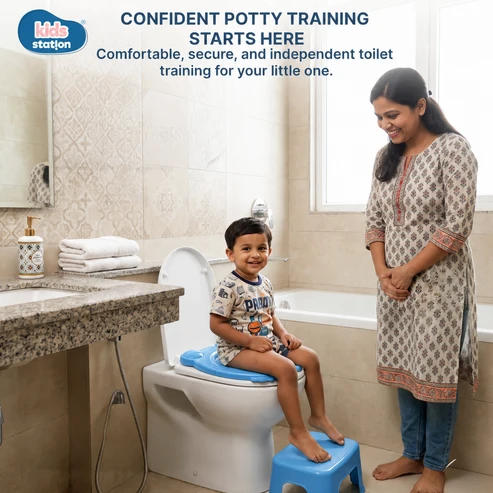
Potty training is an important step in a toddler’s journey toward greater independence. For parents in India, choosing the right baby potty seat India option involves more than simply picking a colourful design. Comfort, stability, toilet compatibility, hygiene, portability, and the child’s stage of development all matter when selecting a suitable potty seat.
Indian homes can have different bathroom layouts and toilet styles, so parents should check whether a potty seat is designed for the type and shape of toilet available at home. A well-chosen seat can make the transition from diapers to regular toilet habits more comfortable and less stressful.
What Is a Baby Potty Seat?
A baby potty seat is a child-friendly product designed to make toilet training easier for young children. Some potty products are standalone chairs that sit on the floor, while others are placed over an adult toilet to create a smaller and more manageable seating area.
A regular toilet can feel too large for a toddler. A suitable potty seat gives the child a more comfortable place to sit while becoming familiar with bathroom routines.
The right option depends on the child’s development, confidence, bathroom setup, and whether parents want to begin with a standalone potty or move directly toward using the family toilet.
Why Are Potty Seats Useful for Indian Families?
Potty training can look different from one household to another. Space, toilet design, travel routines, and family preferences can all influence the type of potty product parents choose.
A suitable potty seat can offer several practical benefits:
- Provides a child-sized seating area
- Helps children become familiar with toilet routines
- Can make the transition to an adult toilet easier
- Supports a consistent bathroom routine
- Can be useful for travel and visits outside the home
- Makes toilet training more approachable for some toddlers
The purpose is not to rush the process but to give the child a comfortable tool that supports gradual learning.
Types of Baby Potty Seats Available in India
Parents can find several types of potty training products in the Indian market.
Standalone Potty Chair
A standalone potty chair sits directly on the floor and is designed specifically for young children. Because it is low to the ground, a child may find it easier to sit down and get up without climbing onto an adult toilet.
This option can be useful during the early stages of toilet training.
Toilet Training Seat
A toilet training seat fits over an existing adult toilet and reduces the size of the opening for a child. It can help toddlers gradually become familiar with using the same toilet as the rest of the family.
Before purchasing one, check whether the seat is compatible with the toilet shape and dimensions at home.
Foldable Potty Seat
A foldable potty seat is designed with portability and storage in mind. It can be useful for families living in smaller homes or travelling frequently.
Potty Seat with Handles
Some designs include handles that give children something to hold while sitting. This can be useful for toddlers who are still developing confidence when using an adult toilet.
Potty Seat with Step or Ladder
Some toilet-training systems combine a child-sized toilet seat with steps and handles. These designs can help older toddlers reach the toilet more independently, but parents should check stability and follow the manufacturer’s instructions carefully.
What to Look for When Buying a Baby Potty Seat in India
When comparing a baby potty seat in India, parents should consider practical features instead of choosing only based on appearance.
1. Toilet Compatibility
If you are buying a seat that fits over a toilet, check whether it is suitable for the toilet shape and size in your home. Many products are designed for round or oval toilets, while some may not fit unusual or oversized shapes.
2. Stable Design
Stability is one of the most important considerations. The seat should remain properly positioned during use and should not move unnecessarily.
3. Comfortable Seating
A comfortable shape can make a child more willing to sit during toilet training. Look for smooth surfaces and appropriately sized seating.
4. Easy-to-Clean Surface
Potty training requires frequent cleaning. A smooth, easy-to-wipe surface can simplify everyday hygiene and maintenance.
5. Non-Slip Features
Non-slip pads or grips can help improve stability. However, parents should still position the product correctly and supervise young children during use.
6. Suitable Age and Weight Range
Always check the manufacturer’s specifications before purchasing. Age recommendations can vary considerably between different potty products.
7. Portability
If your family travels often, a compact or foldable design may be more practical. A familiar potty seat can also help maintain consistency during trips.
How to Choose Between a Standalone Potty and Toilet Seat
The choice between a standalone potty and an over-the-toilet seat depends largely on your child’s comfort and your family’s routine.
A standalone potty can be convenient for beginners because it is floor-level and does not require climbing onto an adult toilet. It can also be moved around the home when needed.
A toilet training seat, on the other hand, can help a child become familiar with the household toilet. It may be a better fit for families who want to transition directly toward regular toilet use.
Neither option is automatically better for every child. Consider the child’s confidence, bathroom arrangement, and the product’s stability before making a decision.
Tips for Potty Training at Home
Choosing the right seat is only one part of the process. A calm and consistent approach can also make toilet training easier.
Start When Your Child Shows Readiness
Look for signs such as showing interest in the bathroom, staying dry for longer periods, communicating bathroom needs, or understanding simple instructions.
There is no universal age at which every child must start potty training.
Create a Simple Routine
Try introducing bathroom visits around predictable times, such as after waking up or before bedtime. A familiar routine can help the child understand when it is time to try.
Explain the Process
Use simple words to explain what the potty is for. Let the child become familiar with the seat before expecting them to use it regularly.
Encourage Rather Than Pressure
Accidents are a normal part of learning. Avoid punishment or embarrassment and focus on encouraging small improvements.
Teach Hygiene
Once the child begins using the toilet, introduce basic hygiene habits such as flushing with appropriate supervision and washing hands afterward.
Why Portability Matters in India
Families may travel between homes, visit relatives, take holidays, or spend time away from their usual bathroom. A portable potty seat can be useful in these situations because the child can use a familiar product instead of adjusting to an unfamiliar toilet setup.
A compact design can also be easier to store in a travel bag. Parents should always ensure that a portable seat is correctly positioned and stable before use.
Cleaning and Maintaining a Baby Potty Seat
Good hygiene is especially important during toilet training. Clean the potty seat according to the manufacturer’s instructions and use suitable cleaning products for its material.
For regular maintenance:
- Wipe or clean the seat after use as appropriate
- Keep the surface dry before storage
- Check for cracks or damaged components
- Inspect non-slip pads and grips regularly
- Make sure hinges or locking parts remain functional
- Store the product in a clean and dry place
Regular inspection is particularly important for foldable or multi-part designs.
Choosing Baby Potty Products from Kids Station
For parents searching for practical child-care products, Kids Station offers potty training options designed with features such as child-friendly seating, portability, easy cleaning, and stability.
For example, a foldable potty seat can be useful when parents want a compact solution for home and travel. The important consideration is always to match the product with the child’s age, size, toilet type, and comfort level.
Common Mistakes Parents Should Avoid
Choosing Only by Appearance
Colourful designs can attract children, but comfort, stability, size, and usability should come first.
Ignoring Toilet Compatibility
A toilet training seat should fit the intended toilet properly. Always check product specifications before purchasing.
Starting Before the Child Is Ready
Introducing a potty too early or forcing a child to use it can create unnecessary resistance. Watch for developmental readiness instead.
Leaving the Child Unsupervised
Young children should be supervised appropriately during potty training, particularly when using raised toilet seats, steps, or unfamiliar bathroom equipment.
Forgetting Regular Cleaning
A potty seat requires regular cleaning because it is used frequently. Easy-clean materials can make this routine simpler.
Frequently Asked Questions
What is the best baby potty seat in India?
There is no single best option for every child. The right seat depends on the child’s age, size, comfort, toilet type, and whether you need a standalone or portable design.
Are potty seats suitable for Indian toilets?
It depends on the product. Many toilet-training seats are designed for specific toilet shapes, so parents should check compatibility before purchasing.
Is a portable potty seat useful for travel?
Yes. A compact or foldable potty seat can be convenient when travelling because it provides a familiar option for a child who is still learning toilet habits.
What features should a baby potty seat have?
Parents can look for suitable sizing, stable construction, comfortable seating, easy-clean surfaces, appropriate toilet compatibility, and useful non-slip features.
How can parents make potty training easier?
A consistent routine, positive encouragement, patience, and a comfortable potty setup can help make the learning process more manageable.
Final Thoughts
Finding the right baby potty seat in India is about understanding your child’s needs and choosing a product that fits your family’s everyday routine. Whether you select a standalone potty, toilet training seat, foldable model, or another design, comfort, stability, hygiene, and compatibility should be key priorities.
Potty training is a gradual process, and every child develops at their own pace. With a suitable potty seat and a supportive approach, parents can create a more comfortable environment for children as they learn new bathroom habits and become increasingly independent.