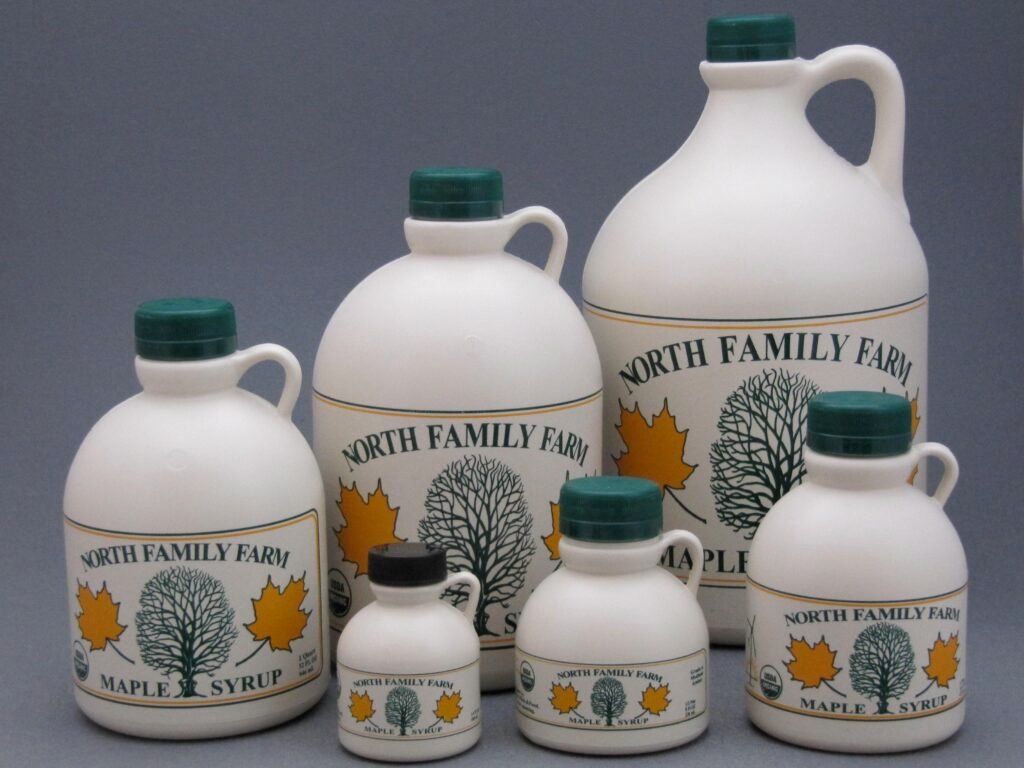
Maple syrup is a familiar ingredient, but buying it in large quantities requires more thought than picking up a bottle at the grocery store. Restaurants, bakeries, food manufacturers, retailers, and hospitality businesses all have different requirements for flavor, packaging, consistency, and cost. Choosing the right wholesale maple syrup supplier can therefore affect both product quality and day-to-day operations.
Bulk purchasing can make sense when maple syrup is used regularly. However, the lowest price does not always represent the best value. Grade, source, container size, storage requirements, shipping conditions, and batch consistency can all influence the actual cost of using maple syrup in a commercial setting.
What Makes Wholesale Maple Syrup Different?
Wholesale maple syrup is generally purchased in larger quantities than retail products. Depending on the supplier and intended application, businesses may purchase syrup in jugs, pails, drums, or other commercial containers.
The syrup itself should still meet appropriate quality standards. In the United States, maple syrup is commonly categorized by color and flavor characteristics. The major categories include Golden, Amber, Dark, and Very Dark, with darker syrups generally offering a stronger maple flavor.
This distinction matters because different applications call for different flavor profiles.
For example, a pancake restaurant may prefer an approachable Amber syrup, while a food manufacturer could select Dark syrup when a stronger maple character needs to remain noticeable after baking or processing.
Wholesale buying also introduces another consideration: consistency. A restaurant that serves maple syrup every morning needs a product that tastes reasonably consistent from one delivery to the next.
How to Choose Maple Syrup in Bulk
Buying commercially does not have to be complicated. A structured evaluation can help businesses avoid expensive mistakes.
1. Identify How the Syrup Will Be Used
Start with the application rather than the container size.
Ask whether the syrup will be:
- Served directly to customers
- Used in baked goods
- Added to sauces or marinades
- Mixed into beverages
- Used in packaged food
- Resold under a retail brand
Direct serving usually places greater emphasis on flavor and appearance. Manufacturing applications may place more emphasis on consistency, availability, and packaging efficiency.
For example, a bakery producing 500 maple muffins per week may care less about the appearance of the bulk container and more about maintaining the same flavor across every production batch.
2. Compare Grades and Flavor Strength
Maple syrup should be selected according to the final product.
Golden syrup has a delicate flavor that works well when maple should remain subtle. Amber offers a more pronounced maple taste and is versatile for everyday foodservice. Dark and Very Dark varieties provide stronger flavor and can work particularly well in recipes where maple needs to stand out.
Do not assume that the darkest syrup is automatically the highest quality. Color and flavor intensity are different considerations from overall quality.
3. Check Packaging Options
Commercial packaging affects storage, handling, labor, and waste.
A small restaurant might find several smaller containers easier to manage than one very large container. Conversely, a manufacturer with dedicated storage equipment may benefit from larger formats.
Before ordering, consider:
- Container dimensions
- Weight when full
- Ease of pouring
- Resealing capability
- Storage space
- Shelf-life requirements
- Disposal or recycling requirements
A cheaper bulk format can become inconvenient if employees struggle to move or dispense it safely.
4. Calculate the Real Cost Per Use
Comparing prices per container can be misleading. Instead, calculate the effective cost per ounce or per serving.
Suppose one supplier offers a 64-ounce container for $45 while another offers a 128-ounce container for $82. The second option has a lower cost per ounce, but only if the business can use the larger quantity efficiently.
Businesses should also consider freight, storage, product loss, and any minimum-order requirements.
The most useful calculation is often:
Total delivered cost ÷ usable quantity = actual unit cost
This provides a more realistic comparison between suppliers.
Common Mistakes When Buying Maple Syrup Wholesale
One common mistake is choosing solely on price. A very inexpensive product may not provide the flavor profile customers expect, particularly when syrup is served as a featured ingredient.
Another mistake is ordering too much inventory. Maple syrup can have a long shelf life when properly stored, but businesses still need to consider available storage space and expected consumption. Overstocking ties up cash and can create unnecessary operational problems.
Failing to verify packaging is another issue. A foodservice operation may receive a container format that is technically suitable but difficult for employees to handle during busy periods.
Businesses should also avoid assuming that every maple-flavored product is pure maple syrup. Products can differ substantially in ingredients, composition, and labeling. If pure maple syrup is required, review the product description and labeling carefully before placing a commercial order.
Practical Tips for Commercial Buyers
Experienced buyers typically evaluate suppliers beyond the initial quotation.
Request Product Details
Before committing to a large order, confirm the syrup’s grade, container size, ingredients, origin information, and packaging specifications.
If the syrup will be used in a regulated food production environment, make sure the supplier can provide the documentation your operation requires.
Test Before Buying Large Quantities
A small sample or trial order can prevent a costly mistake.
Use the syrup in its intended application. A product that tastes excellent directly from a spoon may behave differently when incorporated into baked goods, sauces, or beverages.
For a bakery, for instance, test a recipe using the prospective syrup and compare the finished product with the current ingredient. This gives a more meaningful evaluation than tasting the syrup alone.
Monitor Inventory
Track how quickly your operation consumes maple syrup. After several purchasing cycles, you should have enough information to establish a reasonable reorder point.
A simple inventory system can record:
- Quantity received
- Quantity used
- Average weekly consumption
- Remaining inventory
- Expected delivery time
This helps prevent emergency orders while reducing unnecessary stock.
Store It Properly
Storage conditions matter. Unopened maple syrup should generally be kept according to the supplier’s recommendations, while opened containers often require refrigeration.
Commercial kitchens should also protect containers from contamination and avoid leaving opened syrup exposed for extended periods. Always follow the product’s specific storage and handling instructions.
Building a Reliable Wholesale Supply Strategy
For businesses that use maple syrup consistently, supplier reliability can be just as important as price.
A dependable supplier should provide predictable product availability, clear specifications, appropriate packaging, and responsive communication. Consistent batches are especially valuable for businesses where customers expect the same flavor every time.
It is also sensible to avoid depending entirely on one source when maple syrup is a critical production ingredient. A qualified backup supplier can reduce disruption if availability, transportation, or seasonal supply becomes an issue.
However, changing suppliers frequently can create its own problems. Differences in grade, flavor, concentration, and packaging may affect recipes and customer expectations. Once a product has been tested and approved, maintaining consistent specifications is usually preferable.
Conclusion
Buying maple syrup wholesale is ultimately a quality, usage, and logistics decision rather than simply a search for the lowest price. Businesses should evaluate the intended application, syrup grade, packaging, delivered cost, storage requirements, and supplier reliability before committing to a large order.
A practical approach is to test the product first, calculate its true cost per usable unit, monitor consumption, and establish sensible inventory levels. With these steps, restaurants, bakeries, manufacturers, and retailers can make bulk maple syrup purchasing more predictable while maintaining the flavor and consistency their customers expect.