This is a long-lasting ground-cover that can be effective in controlling weeds in gardens (including landscape projects, nurseries and plantations, horticultural areas.) But the soil is sufficiently moist that sprawling weeds created and become prospective outside simply by contending with desirable plants. When it comes to larger properties, having to hand weed and/or (manually) trim or perform chemical treatments is also a labour increase. Choosing the correct barrier fabric will give a physical plane between the soil and surface that keeps many weeds from growing/maturing in any way, helping to keep it looking tidy. In some instances, the construction of this fabric can also permit water and air to flow through the material, benefiting plants in close proximity. Typically they are laid under mulch, gravel, decorative stones and bark or other ground covers in the landscape. One of the key components of orderly landscape management is weed barrier fabric, as property owners and professionals look for ways to optimize ground maintenance techniques.
Material Construction and Key Performance Characteristics
Weed Barrier Property can be Contoured Based on Its Material Making Process, Structure, Weight and Strength. Materials are made specially with some distinguish task to perform; woven, and nonwovens have functional characteristics specifically system of special purpose functionality. The woven structure provides a positive tensile strength and dimensional stability advantages for use applications that may require the fabric to be manipulated, lifted or moved. Pre-filter options such as non-woven are an exclusive mix of filtration flexibility and permeability according to their application. The leather has to bear a sufficient degree of resistance to tearing and puncturing throughout the time of installation and service. Water permeability is especially topic for planting areas as in some cases rainfall and irrigation using the infiltration to penetrate into soil layers below the barrier.
Weed Management in Gardens and Residential Landscapes
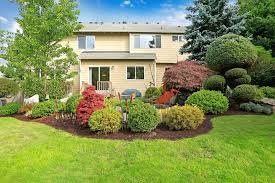
The Garden fabric weed barrier to Unwanted vegetation can make things noticeable and it can affect maintenance demand in a very short time at Residential Gardens. Flower beds, shrub borders, tree surrounds and paths or ornamental areas where weeds come through bare soil may require follow up treatment. The barrier should be installed at the expense of just before placing the mulch or decorative stone to prevent weeds germinating from underground. It can also provide a unique separation between ground covers then landscape, helping yards in appearing maintained. When it comes to manually getting rid of weeds, the process is slowed down by reduced exposure at garden tract and this makes garden maintenance a ease for home proprietors that have no time or labor to maintain their backyard. But do well with proper preparation and installation. Before laying the fabric, we must remove any existing weeds from the area, which should be “flat” on the earth without too many jagged edges capable of penetrating the fabric. Edges should stick together, and sections must overlap with one another.
Applications in Nurseries, Horticulture, and Agriculture
Weed Barrier Fabric is useful for so much more than just residential landscaping! Ground-cover fabrics are made for use in commercial nurseries, horticultural business(es), growers, plantations and (in certain instances) certain agricultural operations to suppress weeds around plant containers, cultivate areas, walkways or working area. In nurseries they compete for space in conjunction creating a raise of labor offered to maintain them. A well-assessed barrier is a constructive part of continuing to maintain cleaner spaces between flora and thus reducing weed germination from below grade. It might also work well in the vicinity of a greenhouse, within ornamental beds that have shade or as gardens around tree farms and special growth areas. Inasmuch as the applications have different operational scenarios, it is advisable that at all times consider the nature of traffic permitted to these structures, exposure to climatic elements (solar light, water demand) and type of soil (consistency), equipment movement and place emphasis on the useful time life in installations.
How to Choose the Best Weed Barrier Fabric
When it comes to the best weed barrier fabric, price isnot really an issue and it all comes down to the environmental conditions in which that productwill be installed. Factors such as permeation and UV stability flexibility durability dimensions fabric weight tear resistance tensile strength. Certainly the material that rests above on the barrier is also as important — Because gravel and deco stone are heavier than bark, mulch or another low weight cover (which usually means Greater Mechanical Loads along pathways in frequent use), soil compaction generally is far more affecting of frequent use zones as opposed to grounds for ornamental planting. Another consideration, are the fabric subject to direct sunlight and is it concerned that the fabric will be left outdoors for a prolonged period? Buyers should also check how easily the fabric can be cut, placed fixed and bonded during installation. Likewise, a highly strong product that does not suit the permeability requirements of the site is also an undesirable choice.
Weed Barrier Landscape Fabric for Attractive Outdoor Design
An ideal example is the weed barrier landscape fabric which helps you manage plant life but in conjunction with aesthetics, especially outdoors. Fabric lies beneath decorative gravel, bark mulch, stones and other materials laid by landscaping professionals. The clear separation layer is what prevents roots from reaching the visually exposed surface as soon as it emerges. This ideology can help reduce up the appearance of weeds while keeping a clean and orderly landscape design. It is suitable for use around trees, shrubs, ornamental plants, walkways and patios. It can also be applied along garden edges or within commercial buildings and recreational areas. This stuff will also for further assist to limit open mixing of soil and ornamental surface material, so managing sure defined landscape sections less complex. During the installation, the openings around the plants should be cut so that unnecessary coverings do not come to those areas where crops are growing.
Installation and Maintenance for Better Results
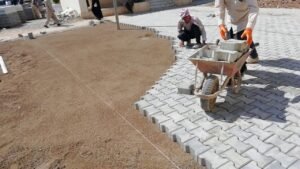
Weed Barrier Fabric is a good product but you need proper installation to get it working reliably. Step 1: Remove all current weeds, roots, pointed stones or used types of materials off surface area from your installation and check for particles. Ground is next ground, or else levelled according to landscape model necessary for a tough surface area with the textile. When installing you should roll the fabric outward gently and maintain relatively low tension by not pulling up folds with greater force Ensure that there is enough overlap of neighbouring pieces, and a suitable number of landscape pins, staples or other holding devices are placed to keep the material in place. Once the cloth is layed, mulch, gravel, bark or other surface can be scattered on top without dragging an excessive amount of and transferring or ripping the barrier. Regular inspection can find uncovered areas, rips, coverings off level or weeds growing over the fabric.
Conclusion
The Best weed barrier fabric is an easy solution to restrain the excessive growth of unwanted plant over private gardens, landscaped parks & sites, nurseries, plantations and other horticulture & specific farming areas. It has the ability, for one, to confuse growth by becoming an obstacle to soil and surface coverings; when permeable goods are applied in suitable amounts that accumulate underneath while allowing air and drinking water through. A weed barrier fabric determine based on the actual application need for strength, abrasion resistance, permeability, UV exposure if used outdoors and traffic over cover material hence installation conditions and desired service life. In the same manner, weed barrier landscape fabric additionally create contribution in beautiful outdoors because of holding all planting beds and pathway and adornment regions distinctly cleaner. But the material will only work if you prepare your ground well and install it carefully. Good patching, total coverage of the surface and regular upkeep.
Frequently Asked Questions
1. What is Weed Barrier Fabric used for?
This is the right fabric that will let water and nutrients suffuse through for healthy crops, but stop weeds cold.
2. What materials are used to make Weed Barrier Fabric?
The scrim, typically made from either polypropylene or polyester, offers weather-resistant backing..
3. How long does Weed Barrier Fabric last?
Fixtures who subject durable material with usage and environmental exposure can file years.
4.Who is the largest manufacturers of Weed Barrier Fabric?
Singhal Landscape Geotextile is a well-known manufacturer of weed barrier fabric, particularly in regional markets such as India.
5. Can Weed Barrier Fabric be used in all types of landscaping?
Yes, it have of different types and widely used in gardens purpose, stay plants (weeds), pathway, parks and agriculture farms.