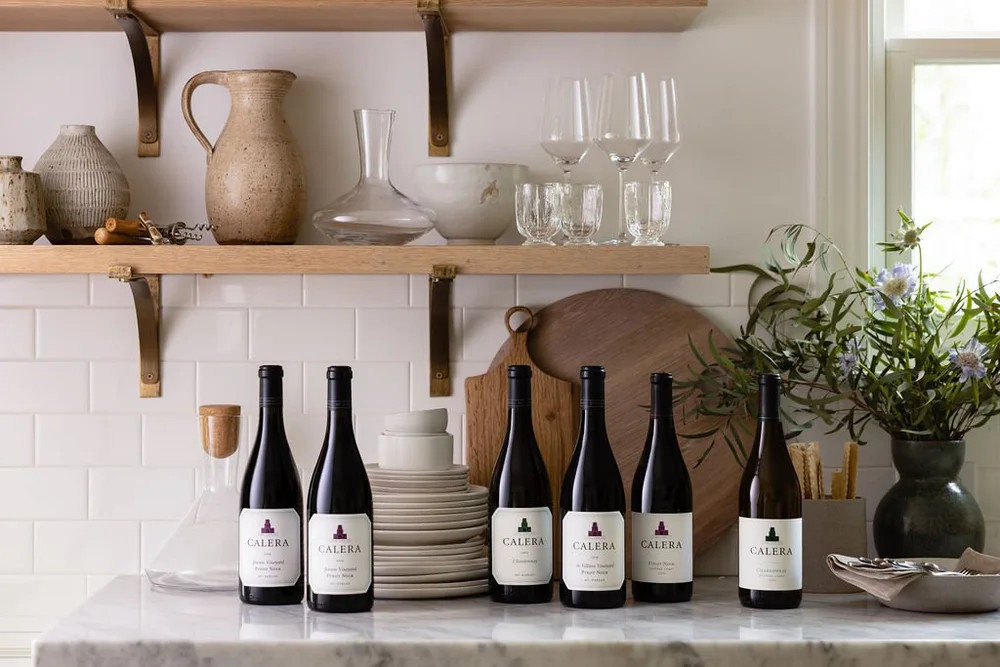
Most people still treat interior photography like the last box on the list. They finish the remodel, call someone local, and hope the images look decent online. That approach usually falls short. Homes in this part of Southern California deal with bright sun, big glass, pale walls, and that indoor-outdoor flow that looks easy until you try to shoot it. A skilled orange county home interior photographer knows how the light hits those surfaces, how to keep a kitchen from washing out, and how to show the way rooms connect without making the place feel staged or flat.
Let’s be real. Weak photos cost more than they should. They bury the custom details. Make good finishes look average. Online, people decide in a few seconds and keep scrolling. The short answer is solid interior photography protects the time and money already spent on the design. It turns a finished house into something people can actually feel when they look at the images.
Handling Orange County Light and Materials
The light here is strong and direct a lot of the time. White interiors and large windows create contrast that goes wrong fast if nobody’s paying attention. Soft Northern California conditions don’t prepare you for this. Better shooters adapt. They wait for the right window or balance the light so the rooms still feel natural instead of artificially evened out.
I’ve watched strong design projects look ordinary because the photos didn’t keep up. Designers put months into the details. Then the images make everything feel smaller or colder than it is. That’s avoidable. Good interior photography shows the scale, the textures, and the atmosphere without turning the house into something that doesn’t match reality.
When Projects Move Into Wine Country
Not every job stays in Southern California. Some designers and homeowners also need coverage further north in wine country. A napa home interior photographer deals with different light, warmer materials, and homes that often lean into a more rustic or vineyard-adjacent feel. The basic skills stay close. Read the room. Respect the materials. Don’t force every shot into the same setup. The ones who work across regions adjust instead of repeating the same approach everywhere.
Details carry more weight than most people expect. A clean hallway frame, the grain in a cabinet, the way natural light falls across a counter. Potential buyers and clients picture themselves in the space. If those smaller frames feel off or heavily edited, that picture falls apart.
Time on Site and Honest Editing
Rushing an interior shoot almost always shows. Light shifts through the day. Furniture sometimes needs moving so the architecture can breathe. Photographers who try to knock out multiple houses in one day usually end up with generic results. Better work takes real time on site. Waiting, adjusting, getting both the wide shots and the closer details. Editing should clean things up without turning the house into a version that doesn’t exist. Colors and textures need to stay true.
If you’re a designer, builder, or homeowner looking to document a project, dig into portfolios carefully. Don’t just scroll the pretty living room images. Check consistency across kitchens, bedrooms, bathrooms, and smaller spaces. See whether the light feels natural. Look for work that still resembles the actual house instead of a heavily altered version.
The Long-Term Value of Interior Photography
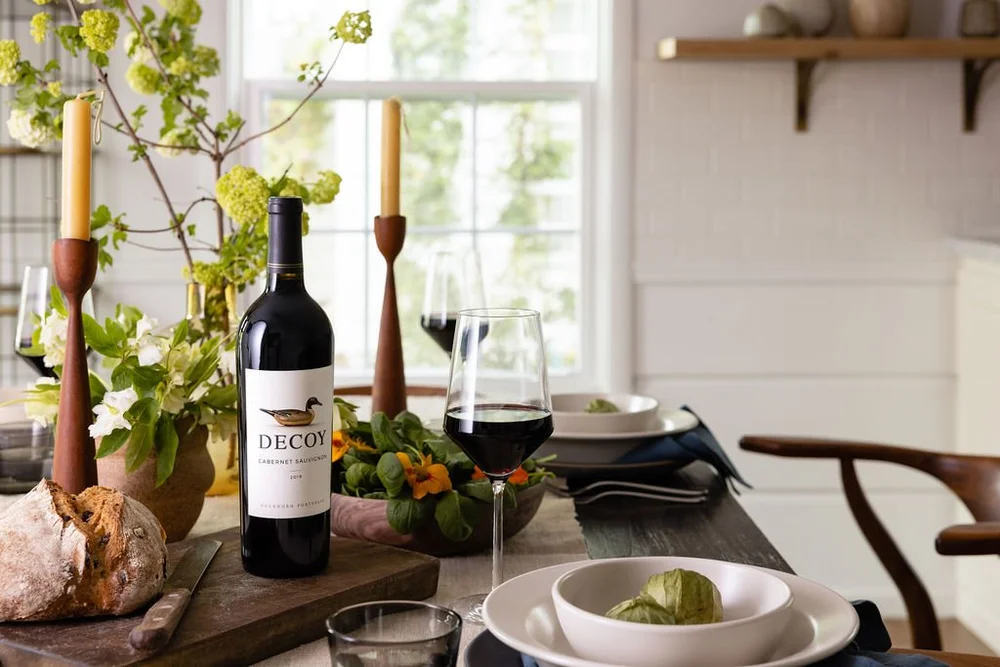
At the end of the day solid interior photography gives the design work a longer life. It shows up in portfolios, online listings, publications, and client meetings long after the project is finished. Whether you need someone who understands Orange County conditions or you’re also comparing options with a napa home interior photographer, the same rule applies. Find the person who sees both the design and the way light moves through the space, and who can turn that into images that feel honest. The difference shows once you start comparing. And in a market full of average photos, that difference is worth hunting for.
FAQs:-
Why does Orange County interior photography need a specific approach?
The light is brighter and more direct. Big windows and pale interiors create contrast that can go wrong fast if the photographer doesn’t know how to handle it.
How important is natural light for these shoots?
Very. Forced lighting often makes rooms feel artificial. Working with the available light usually produces images that match what people will see in person.
Should the photos look perfect or realistic?
Realism tends to work better. Overly perfected images can set the wrong expectation. People notice when the real house doesn’t match.
Is the approach different for Napa homes?
Yes. The light, materials, and overall feel of the homes often change. A photographer needs to adjust rather than use the exact same methods everywhere.
What should I look for in a portfolio?
Consistency across different types of rooms. Natural-looking light. Images that still feel like the actual house instead of a heavily edited version.