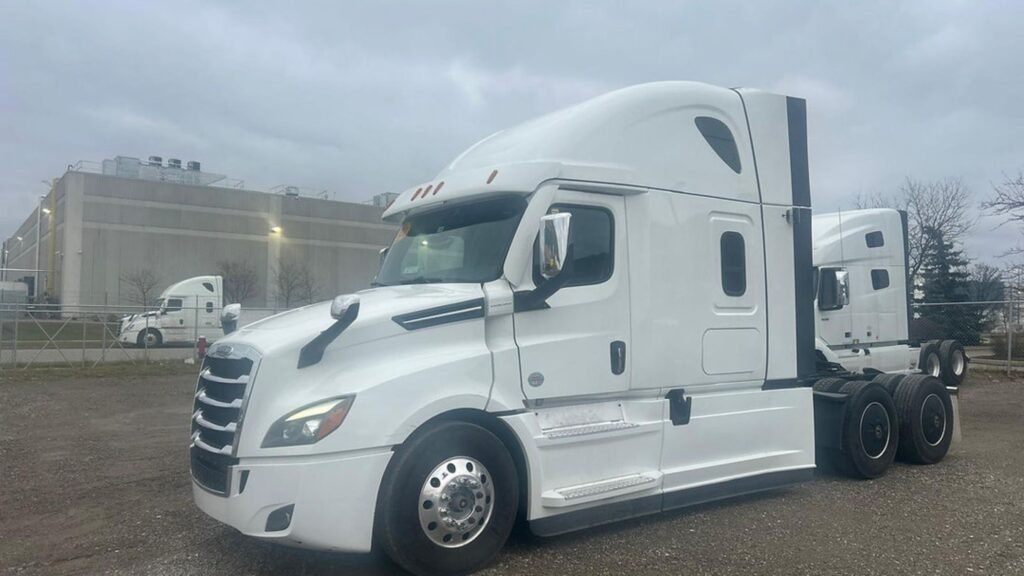
The hardest part of buying a used truck is often not finding one. It is deciding whether the truck in front of you is actually a good fit. A buyer may have several options, different prices, and plenty of specifications to compare, yet still be unsure about which one deserves serious consideration. When looking at freightliner used trucks in Mississauga, it helps to take a step back and think about the truck as a working vehicle rather than just another item for sale. It’s past, present condition, and ability to handle the work ahead should all have a place in the decision.
Start With the Work You Expect It to Do
Picture the truck a few months after you buy it. It is on the road every day, carrying loads, covering routes, and helping the business get work done. Does the truck you are considering make sense for that situation? This is where a good purchase begins.
Think about the type of work, average distance, load requirements, and driving conditions the truck will face. A vehicle used mainly for highway travel may need a different setup from one that spends most of its time on local routes.
Your budget matters too, but price should not be the only thing guiding the search. A truck that costs less at the start may not offer the same value if it does not suit your work.
Get to Know the Truck on Paper
Once you know what you need, the listing becomes much easier to understand.
Look at the year, mileage, engine, horsepower, transmission, axle ratio, and cab configuration. These details can tell you what kind of truck you are considering and help you compare it with other options.
Do not worry if every specification does not make sense at first. Ask questions about anything you are unsure about. A good buying decision does not require you to know every technical term. It requires you to have enough clear information to decide whether the truck fits your needs.
The same approach works when comparing several trucks from the same manufacturer. Two trucks may carry the same badge but have different years, mileage, equipment, and working histories.
The Condition Should Match the Story
A used commercial truck is expected to show some wear. That is part of buying used.
What matters is whether the condition seems reasonable for the truck’s age and reported use. A few marks on the body or some wear inside the cab may not be a concern. More serious signs, such as major leaks, damaged components, heavy corrosion, or unexplained repairs, deserve closer attention.
Try to look at the truck as a whole. Does the interior look consistent with the mileage? Do the tires appear evenly worn? Does the engine bay show signs of poor care? Are there signs that parts have been repaired or replaced?
One detail rarely tells the entire story. Several details together can give you a much better idea of what you are considering.
Maintenance Records Can Add Context
A truck’s past maintenance can help fill in the gaps that the odometer cannot. If records are available, look for evidence of routine service and major repairs. You may also want to ask whether important components have been replaced during the truck’s working life.
Why does this matter?
Because maintenance is part of a truck’s history. Regular service can help keep a vehicle operating properly, while long gaps in maintenance may raise questions about how it was cared for.
It is also useful to ask what type of work the truck handled before. A truck that spent most of its time on long highway routes may have had a very different working life from one that made frequent short trips or carried heavy loads.
What Should You Notice During a Test Drive?
This is the point where the truck stops being a list of specifications and starts becoming a working vehicle.
Take the time to notice how it feels on the road. Does the steering respond as expected? Does the truck brake smoothly? Are there unusual vibrations or noises?
Pay attention to the transmission as well. Gear changes should not feel unusually harsh or delayed. Listen to the engine while accelerating and slowing down, and notice whether anything sounds different from what you would expect.
You do not need to make a mechanical diagnosis during the test drive. If something does not feel right, simply raise the concern and have it checked.
That is a much better approach than ignoring a small concern because everything else about the truck looks attractive.
Look at the Truck You Are Actually Buying
When considering a freightliner Cascadia in Mississauga, it is important to focus on the individual truck rather than relying only on the reputation of the model.
The Cascadia name may be familiar to many truck buyers, but used examples can differ in year, mileage, engine, transmission, configuration, condition, and previous use. Those differences can affect whether a particular truck suits your operation.
Take the time to compare the actual specifications and condition of the truck you are considering. If you are looking at more than one option, put their details side by side and consider which one fits your work best.
Keep These Questions in Mind
- What type of work did the truck previously handle?
- Is the mileage reasonable for its age and use?
- Are maintenance records available?
- Do the specifications match the work you need to perform?
- Are there visible signs of damage or unusual wear?
- How does the truck behave during a test drive?
- What additional costs should be planned after purchase?
- Does the overall price fit the business budget?
The answers will help turn a quick truck search into a more informed buying decision.
Price Is Only One Part of the Decision
A commercial truck needs to make financial sense after it leaves the dealership too. Consider the costs that come with ownership, including fuel, insurance, maintenance, tires, licensing, and financing. The amount you spend on these items will depend on the truck and how you use it, but they are still worth considering before you make a decision.
Financing can also affect the total cost of the purchase. Buyers should look at the full repayment amount and loan terms instead of focusing only on the monthly figure.
A trade-in may also be worth discussing if you already have a truck that you plan to replace. Understanding your options before making the final decision can make the buying process easier.
When You Are Not Sure, Ask
There is nothing wrong with asking for more information. If a specification is unclear, ask about it. If you notice something unusual during the test drive, bring it up. If you are unsure whether a truck is suitable for your work, discuss your requirements before making a decision.
A professional inspection can also provide another layer of confidence, especially when the truck will be an important part of your business.
The purpose is not to find a reason to reject every used truck. It is to make sure you know what you are buying.
Think About Value, Not Just Age
A newer truck is not automatically the better choice. Condition, maintenance, specifications, mileage, previous use, and price all have to be considered together. A well-maintained older truck may make more sense for one buyer, while a newer model may be better for another.
The right choice depends on what the truck needs to do and how it fits into the buyer’s budget.
That is why a useful buying process is less about finding the perfect truck and more about finding the truck that makes sense.
Final Remarks
Rockwood Truck Centre offers commercial truck buyers a range of choices from well-known manufacturers, including Freightliner, Kenworth, Peterbilt, Volvo, International, Mack, Hino, Western Star, and Ford.
That range gives buyers room to compare different trucks instead of limiting the search to one model or one type of vehicle. The dealership also offers financing and trade-in options, which can help customers consider different ways to structure their purchase.
For Rockwood Truck Centre, buying a used truck is best approached as a practical business decision. The customer needs a vehicle that can match the work, fit the budget, and make sense for the road ahead. Looking carefully at those points can make the difference between simply buying a truck and choosing one that is ready for its next working chapter.