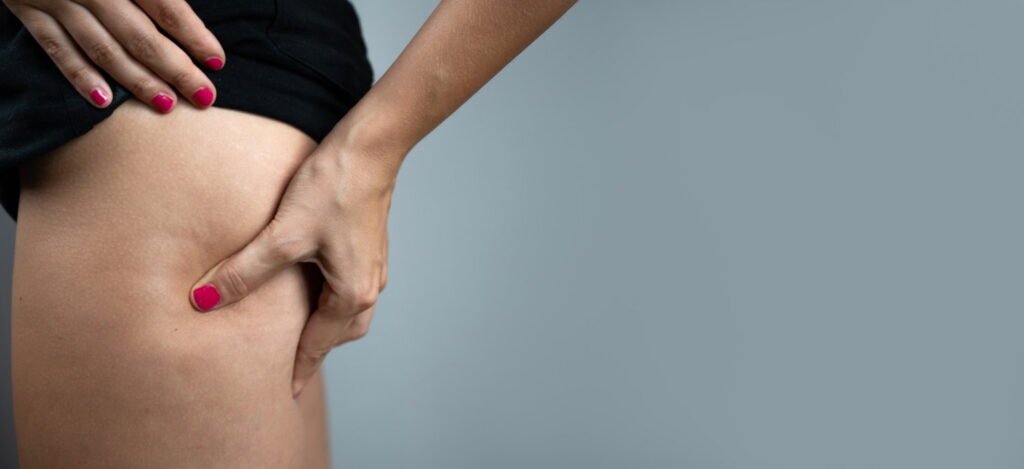
Lipedema in Jeddah
Introduction to Lipedema in Jeddah
Lipedema in Jeddah is an important topic for people who notice unusual patterns of fat distribution, persistent heaviness in the limbs, or changes in body proportions that do not seem to respond to ordinary lifestyle efforts. Lipedema is a chronic condition involving the abnormal distribution of fatty tissue, most commonly affecting the legs and sometimes the arms. Because its appearance can overlap with other conditions, professional evaluation can be an important step toward understanding what may be contributing to the changes.
When considering Lipedema in Jeddah, it is helpful to recognize that every person’s body composition and symptoms can be different. Some individuals may notice disproportion between the upper and lower body, while others may observe changes around the hips, thighs, calves, or arms. A professional assessment can help distinguish lipedema from other causes of disproportionate fat accumulation and guide an appropriate management approach.
For anyone researching Lipedema in Jeddah, knowing when to seek professional evaluation is just as important as learning about available treatment approaches. Evaluation does not necessarily mean that an invasive procedure will be recommended. Instead, it provides an opportunity to understand the condition, discuss personal concerns, review medical history, and develop a plan based on individual needs.
What Is Lipedema?
Lipedema is a long-term disorder characterized by an unusual and often symmetrical distribution of fatty tissue, typically involving the lower body. It most commonly affects women and may become more noticeable during periods of hormonal change. The condition can create a distinctive difference between the proportions of the upper and lower body.
Lipedema is different from ordinary weight gain because the distribution of tissue follows recognizable patterns. The feet are commonly less affected than the areas above the ankles, although individual presentations vary. The arms may also become involved in some cases.
Understanding these characteristics can encourage people to seek an appropriate evaluation instead of assuming that changes in body shape are solely related to diet, exercise, or general weight.
Why Professional Evaluation for Lipedema Matters
Professional evaluation can provide clarity when body changes are difficult to explain. A qualified healthcare professional can review the distribution of fatty tissue, ask about the history of changes, and consider other possible explanations.
An assessment may involve:
- Reviewing personal and family history
- Discussing when changes in body shape first appeared
- Examining the distribution of fatty tissue
- Evaluating differences between the upper and lower body
- Considering changes associated with hormonal periods
- Reviewing previous weight changes
- Discussing mobility and everyday comfort
- Determining whether additional assessment may be appropriate
The goal is to develop a clearer understanding of the individual’s condition rather than relying only on appearance.
When Should You Consider a Professional Lipedema Evaluation?
There is no single symptom that automatically confirms lipedema. However, certain patterns may make professional evaluation worthwhile.
You may consider an evaluation if you notice:
- Persistent disproportion between the upper and lower body
- Symmetrical enlargement of the legs
- Noticeable changes in the thighs, hips, calves, or arms
- Difficulty changing the appearance of specific areas despite overall weight changes
- A family history of similar body-distribution patterns
- Body changes that became more noticeable during hormonal transitions
- Progressive changes in the distribution of fatty tissue
- Uncertainty about whether the changes represent lipedema or another condition
An evaluation is especially useful when these characteristics persist or gradually become more noticeable.
Recognizing Common Lipedema Patterns
Lipedema can appear differently from person to person, but several distribution patterns are commonly discussed.
The lower body is frequently the primary area affected. Fatty tissue may become more prominent around the hips and thighs before extending toward the lower legs. In some individuals, the arms can also become involved.
Another characteristic is symmetry. The distribution is often relatively similar on both sides of the body. This can help distinguish lipedema from some localized conditions that affect only one area.
However, appearance alone should not be used to make a diagnosis. A professional evaluation provides a more reliable way to understand whether the observed pattern is consistent with lipedema.
Lipedema and Body Weight
One of the reasons lipedema can be difficult to recognize is that it may occur alongside different body weights. Someone may have lipedema and also experience general weight gain, while another person may have a relatively stable overall weight but noticeable disproportion in certain areas.
This means that body weight alone does not determine whether someone should consider an evaluation.
A professional can look beyond the number on a scale and consider overall body distribution, medical history, physical characteristics, and the progression of changes.
Lipedema Versus General Fat Distribution
Normal body-fat distribution varies significantly among individuals. Genetics, age, hormones, lifestyle, and other factors can all influence body shape.
Lipedema, however, is associated with a more distinctive pattern of fatty-tissue distribution. The condition is often symmetrical and tends to affect specific areas of the body.
Because there can be considerable overlap between normal body variation and lipedema, self-assessment can be difficult. Professional evaluation is therefore useful when someone feels that their body proportions have changed in an unusual or persistent way.
Understanding Different Stages of Lipedema
Lipedema is often discussed in stages based on changes in the appearance and texture of affected tissue. These stages are useful for describing progression, but individuals do not necessarily experience the condition in exactly the same sequence.
Earlier changes may be subtle and may initially resemble ordinary changes in body composition. Over time, the distribution of fatty tissue can become more apparent.
Recognizing changes early can encourage timely evaluation and better understanding of available management strategies.
The Role of Medical History in Evaluation
Medical history can provide important information during a lipedema assessment. A healthcare professional may ask when the changes began and whether they became more noticeable during particular life stages.
Relevant information can include:
- Age when body-distribution changes were first noticed
- Changes during puberty
- Changes associated with pregnancy
- Changes around menopause
- Family history
- Previous weight fluctuations
- Previous approaches to managing body composition
- Changes in affected areas over time
Keeping track of these details before an appointment can make the consultation more productive.
Preparing for a Lipedema Consultation in Jeddah
Preparing for an evaluation can help you communicate your concerns clearly. Before the appointment, consider writing down when you first noticed changes and which areas have changed most significantly.
You may also want to prepare questions about:
- Whether the observed pattern is consistent with lipedema
- Whether additional evaluation is needed
- What management options may be appropriate
- Whether conservative approaches should be considered
- Whether the condition appears stable or progressive
- What realistic goals can be established
- How progress can be monitored
Being prepared can make it easier to participate actively in the decision-making process.
Choosing a Qualified Professional for Lipedema Evaluation
Selecting an experienced professional is an important part of the process. Because lipedema can overlap with other body-composition concerns, it is beneficial to seek someone familiar with evaluating unusual patterns of fatty-tissue distribution.
When researching options, consider:
- Relevant professional qualifications
- Experience with lipedema assessment
- Understanding of body-contouring concerns
- Ability to provide individualized recommendations
- Approach to patient education
- Willingness to discuss different management pathways
For individuals seeking professional guidance, a consultation with Dr. Hattan Aljaaly may provide an opportunity to discuss individual concerns and determine whether further assessment or treatment planning is appropriate.
How a Professional Evaluation May Work
A professional assessment generally begins with a detailed discussion. The healthcare professional may ask about the history of changes, areas of concern, family history, and previous attempts to manage body composition.
A physical examination may then focus on the distribution and characteristics of fatty tissue.
Depending on the individual’s presentation, additional evaluation may be considered to clarify the situation or rule out other conditions.
The exact process can vary from one person to another because lipedema does not have an identical presentation in every individual.
Why Early Evaluation Can Be Valuable
Considering an evaluation when changes first become concerning can provide useful information. Early assessment can help people understand what they are experiencing and avoid making assumptions based solely on appearance.
It can also establish a reference point for monitoring future changes. Instead of waiting until body-distribution changes become more pronounced, individuals can discuss their concerns and learn about suitable management strategies earlier.
Early professional guidance is particularly valuable when changes are persistent, symmetrical, or progressively becoming more noticeable.
Conservative Management Approaches
Management of lipedema can involve several strategies depending on the individual’s presentation and goals. Conservative approaches may be considered as part of an overall plan.
These can include:
- Appropriate physical activity
- Maintaining healthy daily habits
- Nutrition guidance
- Weight management when appropriate
- Compression strategies when recommended
- Physical therapy approaches
- Regular monitoring
The purpose of conservative management is to support overall well-being and help individuals manage their condition in a structured way.
When Surgical Management May Be Discussed
In some cases, surgical treatment may become part of a broader lipedema management plan. The decision depends on individual circumstances, the distribution of affected tissue, treatment goals, and professional assessment.
Specialized liposuction techniques may be discussed for carefully selected individuals. However, surgery should not be viewed as an automatic solution for everyone with lipedema.
A detailed consultation allows the professional to determine whether surgical treatment is appropriate and what realistic objectives could be considered.
Understanding Specialized Liposuction for Lipedema
Liposuction for lipedema differs from cosmetic fat reduction performed solely for aesthetic contouring. When used in lipedema management, the approach focuses on affected fatty tissue and requires careful treatment planning.
The areas treated, technique selected, and overall treatment strategy depend on the individual’s anatomy and condition.
Patients considering this option should discuss:
- Which areas may be suitable for treatment
- Whether multiple treatment sessions may be appropriate
- Expected changes in body proportions
- Recovery considerations
- Long-term management
- How results will be evaluated
A personalized plan is generally more appropriate than applying the same treatment strategy to every patient.
Setting Realistic Treatment Goals
An important part of professional evaluation is establishing realistic goals. Lipedema management is generally focused on improving the individual’s overall condition, body proportions, mobility, comfort, and quality of life according to personal circumstances.
A consultation should provide an opportunity to clarify what treatment can realistically accomplish.
Instead of focusing only on a specific body measurement, patients can discuss broader objectives such as improved proportions, better mobility, or improved confidence in everyday activities.
Lifestyle and Long-Term Management
Lipedema management is often viewed as a long-term process rather than a single event. Maintaining healthy lifestyle habits can remain valuable regardless of whether a person chooses conservative management, surgical treatment, or a combination of approaches.
Regular physical activity, balanced nutrition, and appropriate professional follow-up can contribute to an individualized long-term strategy.
Monitoring changes over time may also help identify when an adjustment in the management plan should be considered.
How to Compare Lipedema Care Options in Jeddah
When researching care options, it can be tempting to focus entirely on price or treatment promises. A better approach is to consider the overall quality of evaluation and planning.
Look for:
- Relevant experience
- Individualized consultation
- Clear explanation of the condition
- Realistic treatment expectations
- Appropriate follow-up
- Transparent discussion of treatment options
- A structured approach to long-term management
The best option is not necessarily the one offering the most aggressive treatment. A thoughtful evaluation should come before deciding on a particular intervention.
Questions to Ask During Your Consultation
A consultation is an opportunity to obtain information and make an informed decision. Useful questions may include:
- Does my body-distribution pattern appear consistent with lipedema?
- Could another condition explain these changes?
- What type of evaluation do I need?
- Which management approaches are appropriate for me?
- Would conservative management be suitable?
- Is surgical treatment something I should consider?
- What areas would potentially be addressed?
- How should progress be monitored?
- What should I expect from long-term management?
- When should I return for reassessment?
Taking notes during the appointment can also help you remember important recommendations.
The Importance of Individualized Treatment Planning
No two individuals have exactly the same body structure or experience with lipedema. For this reason, treatment planning should be individualized.
Factors that may influence recommendations include age, body composition, affected areas, progression, personal goals, lifestyle, previous treatments, and overall health.
A customized plan can help ensure that the selected approach matches the person’s actual needs rather than relying on a standardized treatment pathway.
Making an Informed Decision About Evaluation
Professional evaluation does not require an immediate commitment to treatment. Instead, it can be viewed as an information-gathering step.
After receiving an assessment, you can take time to understand the recommendations, compare appropriate options, and decide what aligns with your goals.
This approach can make the treatment journey more organized and help reduce uncertainty about what may be happening with your body.
Frequently Asked Questions About Lipedema in Jeddah
What is lipedema and how does it affect the body?
Lipedema is a chronic condition involving an unusual distribution of fatty tissue, commonly affecting the legs and sometimes the arms. It often creates disproportion between the upper and lower body and can develop or become more noticeable during hormonal changes.
When should I consider professional evaluation for lipedema?
You may consider an evaluation if you notice persistent and symmetrical enlargement of the legs or arms, significant upper- and lower-body disproportion, progressive changes in fatty-tissue distribution, or uncertainty about whether your body shape is related to lipedema.
Can lipedema be diagnosed through appearance alone?
Appearance can provide clues, but it should not be considered sufficient for a definitive diagnosis. A professional assessment can review your history, body distribution, and other relevant characteristics to determine the most appropriate next steps.
Can someone have lipedema at a normal body weight?
Yes. Lipedema can occur at different body weights. Overall weight does not independently determine whether someone has the condition, which is why assessment of body-fat distribution and medical history is important.
Is lipedema the same as ordinary weight gain?
No. Lipedema involves a characteristic pattern of fatty-tissue distribution and is different from ordinary generalized weight gain. However, both can occur at the same time, making professional evaluation useful when the pattern is unclear.
Can lipedema affect the arms as well as the legs?
Yes. Although the legs are commonly affected, the arms can also be involved. The extent and distribution vary between individuals, so an assessment can help determine which areas are affected.
What happens during a lipedema consultation in Jeddah?
A consultation generally includes a discussion of your medical and body-composition history, the progression of changes, your concerns, and your goals. A physical assessment may also be performed, with additional evaluation considered when appropriate.
Are there non-surgical approaches to managing lipedema?
Yes. Depending on individual circumstances, management may include physical activity, nutrition and weight-management strategies, compression approaches, physical therapy, and ongoing professional monitoring.
When might surgery be considered for lipedema?
Surgical treatment may be discussed for selected individuals after professional evaluation. The decision depends on the affected areas, individual goals, overall circumstances, and whether a specialized surgical approach is considered appropriate.
How can I choose the right lipedema care approach in Jeddah?
Start with a professional evaluation rather than choosing a treatment based only on advertisements or price. Consider experience with lipedema, individualized planning, clear communication, realistic expectations, and appropriate long-term follow-up.
Conclusion: Making the Right Choice for Lipedema in Jeddah
Lipedema in Jeddah is a condition that deserves careful evaluation when unusual or persistent patterns of fatty-tissue distribution become noticeable. Symmetrical enlargement of the legs or arms, significant body disproportion, progressive changes, or uncertainty about the cause can all be reasonable reasons to seek professional guidance.
Understanding Lipedema in Jeddah begins with recognizing that body shape alone does not provide the complete picture. A professional evaluation can help clarify the condition, distinguish it from other causes of body-distribution changes, and identify appropriate management options.
For anyone researching Lipedema in Jeddah, the most useful first step is to focus on accurate assessment and individualized planning rather than rushing toward a particular treatment. With appropriate professional guidance, patients can better understand their options and make informed decisions based on their personal goals and circumstances.