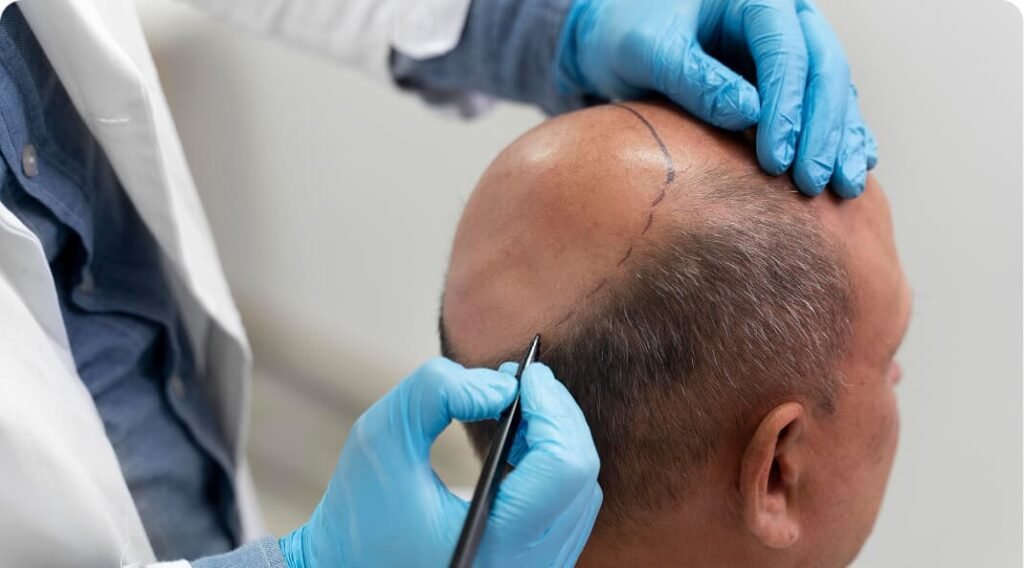
Hair loss affects millions of people worldwide, and for many, it’s more than a cosmetic concern, it can impact confidence, self-image, and how they show up in everyday life. While the market is flooded with shampoos, serums, and supplements claiming to reverse hair fall, a hair transplant remains the only surgical, long-term solution backed by clinical evidence. If you’re exploring a Hair Transplant in Kalyan Nagar, this guide breaks down everything you need to know about modern hair restoration, from understanding why hair loss happens to what to expect during recovery. At Neotis Skin Clinic, patients get expert, personalized guidance at every stage of this process.
Why Does Hair Loss Happen?
Before exploring restoration options, it helps to understand the root causes of hair loss:
- Genetics – Androgenetic alopecia, commonly known as male or female pattern baldness, is the most frequent cause and is largely hereditary.
- Hormonal shifts – Conditions like PCOS, thyroid disorders, pregnancy, and menopause can trigger noticeable hair thinning.
- Stress and lifestyle factors – Chronic stress, poor nutrition, and inadequate sleep can accelerate hair shedding.
- Medical conditions and medications – Autoimmune disorders, scalp infections, and certain drugs can contribute to hair loss.
- Aging – Hair follicles naturally shrink over time, leading to thinner, finer strands as we age.
Identifying the underlying cause is a crucial first step, since not all hair loss types respond the same way to a transplant. A dermatologist’s evaluation helps determine whether surgical restoration is the right path forward.
What Is a Hair Transplant?
A hair transplant is a surgical procedure where hair follicles are extracted from a donor area, typically the back or sides of the scalp where hair is genetically resistant to balding, and relocated to thinning or bald areas. Because the transplanted follicles retain their original genetic resistance to hair loss, the results are generally permanent.
Modern Techniques in Hair Restoration
Follicular Unit Extraction (FUE)
FUE has become the gold standard in hair restoration. Individual follicles are extracted one at a time using a specialized tool, leaving tiny, virtually invisible marks instead of a linear scar. This method allows for a shorter recovery period and a more natural-looking result, making it the preferred choice for most patients today. At Neotis Skin Clinic, FUE is one of the most commonly recommended techniques for patients seeking natural, low-maintenance results.
Follicular Unit Transplantation (FUT)
FUT, the older strip method, involves removing a section of scalp from the donor area and dissecting it into individual grafts for transplantation. While it can yield a high graft count in a single session, it leaves a linear scar and requires a longer healing period compared to FUE.
Direct Hair Implantation (DHI)
DHI is a refined version of FUE where follicles are implanted directly into the scalp using a specialized pen-like tool, without pre-making incision sites. This technique offers greater control over hair angle, direction, and density, often resulting in a more natural, dense appearance.
Robotic-Assisted Transplants
Some clinics now incorporate robotic technology to assist with graft extraction, improving precision and reducing the potential for human error. While this can add to the overall cost, it often results in more consistent graft quality.
Benefits of Modern Hair Transplant Techniques
Compared to older restoration methods, today’s techniques offer several advantages:
- Natural-looking results that blend seamlessly with existing hair
- Minimal scarring, especially with FUE and DHI methods
- Shorter recovery times, allowing patients to resume normal activities sooner
- Permanent solution, since transplanted follicles are resistant to further balding
- Low maintenance, as transplanted hair can be washed, cut, and styled normally once healed
What Happens During the Procedure?
The process typically starts with a detailed consultation, where a dermatologist examines the scalp, discusses medical history, and evaluates donor hair availability. On the day of the procedure, local anesthesia is used to numb the treatment areas. The surgeon then extracts follicles from the donor site and carefully implants them into the recipient area, following a pattern designed to mimic natural hair growth.
Depending on the number of grafts required, the procedure can take anywhere from a few hours to a full day.
Recovery and Aftercare
Recovery is generally straightforward, though it varies by individual. Common post-procedure experiences include mild redness, swelling, and scabbing around the treated area, which usually subsides within one to two weeks. Most patients can return to work within a few days, though strenuous exercise and direct sun exposure should be avoided for several weeks.
It’s normal for transplanted hair to shed within the first few weeks after the procedure, a phase known as “shock loss.” This is temporary, and new growth typically begins within three to four months, with fuller results visible around nine to twelve months post-procedure.
Who Is a Good Candidate?
Not everyone is an ideal candidate for a hair transplant. Factors that influence candidacy include:
- The extent and pattern of hair loss
- Availability and density of donor hair
- Overall scalp health
- Age and stability of hair loss progression
- Realistic expectations about outcomes
A thorough consultation with a qualified dermatologist is essential to determine whether a transplant is the right choice, or whether alternative treatments might be more suitable.
Choosing the Right Clinic
The success of a hair transplant depends heavily on the expertise of the medical team and the technology used. When researching clinics, consider factors like the surgeon’s experience, patient reviews, before-and-after results, hygiene standards, and transparency around pricing and expected outcomes. Avoid clinics that promise unrealistic results or pressure you into quick decisions.
This is exactly why so many patients search for the Best Dermatologist in Kalyan Nagar before committing to a procedure. At Neotis Skin Clinic, our dermatologists take the time to assess your scalp condition, hair type, and goals in detail, ensuring the recommended technique and treatment plan are genuinely suited to you rather than a one-size-fits-all package.
Final Thoughts
Hair loss can be a deeply personal and often emotional experience, but modern hair restoration techniques have made achieving natural, lasting results more accessible than ever. Whether you’re just beginning to research your options or are ready to book a consultation, understanding the science, techniques, and realistic expectations behind hair transplants is the first step toward making a confident, informed decision about your hair restoration journey. If you’re considering a Hair Transplant in Kalyan Nagar, book a consultation with Neotis Skin Clinic today and take that first step with expert guidance by your side.