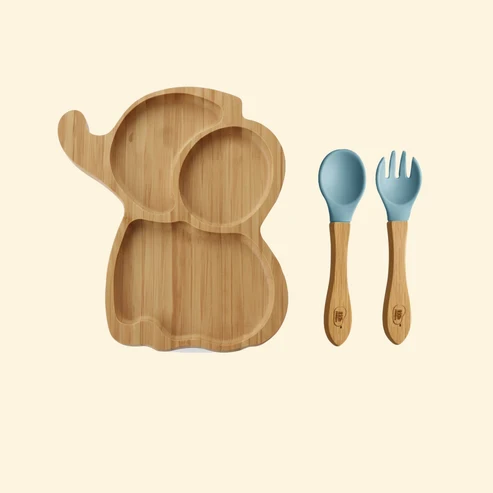
Introducing complementary foods is an important milestone for babies and parents. As little ones begin exploring new tastes and textures, parents often look for practical feeding products that make mealtimes easier and more comfortable.
A bamboo food feeder can be an appealing option for families looking for natural-looking baby feeding products. Bamboo is commonly used in baby plates, bowls, spoons, feeding sets and other mealtime essentials.
However, choosing a baby feeding product should involve more than looking at its appearance. Parents should consider the product’s construction, food-contact materials, age suitability, cleaning requirements and manufacturer’s instructions.
What Is a Bamboo Food Feeder?
A bamboo food feeder is a baby feeding product made primarily from bamboo or bamboo-based material. Depending on its design, it may refer to a feeding set, bowl, plate, spoon, cup or another accessory used during baby mealtimes.
Bamboo feeding products can be useful during the transition from parent-assisted feeding to independent eating.
Common bamboo baby feeding products include:
- Bamboo feeding plates
- Bamboo bowls
- Bamboo spoons
- Bamboo cups
- Bamboo feeding sets
- Baby self-feeding utensils
The exact purpose depends on the individual product, so parents should always check the manufacturer’s instructions.
Why Do Parents Choose Bamboo Baby Feeding Products?
bamboo food feeder has become popular in baby feeding products because of its natural appearance and lightweight feel.
Parents may choose bamboo feeding products because they can offer:
- A lightweight design
- A natural-looking appearance
- Comfortable handling
- Practical everyday use
- Attractive feeding sets
- Easy portion separation in divided plates
However, bamboo products can vary considerably in construction and care requirements. Some products may combine bamboo with other materials, such as silicone or food-safe coatings.
Therefore, always check the actual material composition before purchasing.
When Can a Baby Use Bamboo Feeding Products?
The appropriate time depends on the specific product and your baby’s developmental stage.
Many babies begin complementary foods at around six months, but readiness signs are more important than simply reaching a particular age.
Common signs of feeding readiness can include:
- Good head and neck control
- Ability to sit with support
- Interest in food
- Ability to bring objects toward the mouth
- Ability to handle age-appropriate textures
Parents should follow appropriate infant-feeding guidance and seek professional advice if they are unsure whether their baby is ready for a particular food or feeding accessory.
How to Choose a Bamboo Food Feeder
There are several factors to consider before buying bamboo food feeder products.
1. Check the Material Composition
Not every product marketed as a bamboo feeder is made entirely from bamboo.
Some products combine bamboo with:
- Silicone
- Food-grade coatings
- Other materials
- Suction bases
- Plastic components
Check the product description carefully so you know exactly what you are purchasing.
2. Look for Food-Contact Information
Choose products intended specifically for food use and follow the manufacturer’s safety instructions.
The product information should clearly explain how it is intended to be used and cleaned.
3. Consider the Baby’s Age
Choose a feeding product appropriate for your baby’s developmental stage.
For example, a spoon designed for independent feeding may not be the best option for a younger baby who is still being fed by a parent.
4. Check the Size
The size of the bowl, plate or spoon should be practical for your baby’s meals.
A smaller plate can be easier to handle, while divided sections may help parents separate different foods.
5. Look for a Stable Design
A stable base can help reduce spills during mealtimes.
Some baby feeding products include suction or anti-slip features, depending on the design.
Bamboo Food Feeder for Self-Feeding
As babies develop their feeding skills, they gradually become interested in holding utensils and picking up food independently.
Bamboo feeding products can be part of this transition.
Self-feeding helps babies practise skills such as:
- Gripping
- Holding
- Hand-eye coordination
- Bringing food toward the mouth
- Exploring different textures
- Developing independence
A lightweight spoon or appropriately sized feeding utensil may be easier for small hands to handle.
Parents should allow babies to progress at their own pace rather than expecting independent feeding immediately.
Bamboo Feeding Set for Babies
A bamboo feeding set can combine several everyday mealtime products in one package.
Depending on the set, it may include:
- Plate
- Bowl
- Spoon
- Fork
- Cup
- Feeding utensils
A complete set can be convenient for parents who want matching feeding essentials.
When choosing a set, focus on the actual products included rather than assuming every bamboo feeding set contains the same items.
Bamboo Baby Plate and Bowl
Plates and bowls are among the most common bamboo baby feeding products.
A divided bamboo plate can be useful for serving different foods separately, while a bowl may be more convenient for:
- Porridge
- Mashed foods
- Cereals
- Soft fruits
- Cooked vegetables
- Other age-appropriate meals
Choose a size that works for your baby’s meal portions and your available dining space.
Bamboo Baby Spoon
A bamboo baby spoon can be useful when babies begin practising spoon feeding.
When selecting one, consider:
- Spoon size
- Handle shape
- Smooth finish
- Ease of gripping
- Material composition
- Cleaning instructions
The spoon should be appropriate for the baby’s age and feeding stage.
Bamboo Food Feeder vs Silicone Food Feeder
Bamboo and silicone feeding products have different characteristics.
| Feature | Bamboo Feeding Products | Silicone Feeding Products |
|---|---|---|
| Appearance | Natural-looking | Modern and flexible |
| Weight | Often lightweight | Generally lightweight |
| Flexibility | Usually rigid | Flexible |
| Common products | Plates, bowls, spoons, sets | Feeders, plates, bowls, spoons |
| Cleaning | Depends on product | Often simple |
| Care | May require specific care | Usually designed for regular washing |
The better choice depends on your family’s preferences, the baby’s age and the intended use.
How to Clean Bamboo Baby Feeding Products
Cleaning instructions are particularly important for bamboo products.
Unlike some silicone feeding products, bamboo-based items may require more specific care.
A general routine may include:
- Remove leftover food immediately.
- Wash according to the manufacturer’s instructions.
- Avoid soaking the product for prolonged periods unless the manufacturer specifically permits it.
- Rinse thoroughly.
- Dry completely before storing.
- Inspect regularly for cracks, damage or deterioration.
Never assume that every bamboo product is dishwasher-safe or microwave-safe. Check the manufacturer’s instructions before using appliances.
Bamboo Food Feeder Safety Tips
Parents should always supervise babies while eating.
Keep these points in mind:
Check for Damage
Inspect plates, bowls, spoons and other products regularly.
Do not continue using products with cracks, splinters, damaged coatings or loose components.
Follow Age Recommendations
Use products only for their intended age group and developmental stage.
Use Appropriate Foods
Serve foods and textures suitable for your baby’s current feeding abilities.
Supervise Every Meal
A feeding accessory does not remove the need for adult supervision.
Follow Care Instructions
Use the cleaning and storage methods recommended by the manufacturer.
Common Mistakes When Buying Bamboo Baby Feeding Products
Assuming All Bamboo Products Are the Same
Bamboo products can differ in material composition, coatings and construction.
Ignoring Care Instructions
Some bamboo products require hand washing and careful drying.
Choosing Based Only on Appearance
A natural-looking product still needs to be practical, safe and suitable for your baby’s needs.
Buying the Wrong Size
A plate or bowl that is too large can be difficult for a baby to use independently.
Forgetting About Grip
If the product is intended for self-feeding, consider whether its shape and size are comfortable for small hands.
Why Choose Kids Station for Bamboo Feeding Essentials?
Kids Station offers practical baby feeding products designed to support everyday mealtimes.
Parents looking for bamboo food feeder products can explore bamboo feeding essentials such as plates, bowls, utensils and feeding sets.
When selecting a product, consider your baby’s age, feeding stage, the material composition, cleaning requirements and intended use.
The goal is not simply to choose a visually appealing feeding product but to find something that works well for your baby’s everyday routine.
Frequently Asked Questions
What is a bamboo food feeder?
A bamboo food feeder is a baby feeding accessory made primarily from bamboo or bamboo-based material. Depending on the product, it may be a plate, bowl, spoon, cup or feeding set.
Is bamboo good for baby feeding?
Bamboo is commonly used in baby feeding products. However, parents should check the product’s material composition, food-contact information, age suitability and care instructions before use.
What is a bamboo feeding set?
A bamboo feeding set typically combines multiple mealtime essentials, such as a plate, bowl, spoon or other utensils. The exact contents vary by product.
Can babies use bamboo spoons?
Bamboo spoons can be used when they are designed for babies and are appropriate for the baby’s feeding stage. Always follow the manufacturer’s age and care recommendations.
How do I clean a bamboo baby feeder?
Follow the manufacturer’s cleaning instructions. Many bamboo-based products require careful washing and thorough drying and may not be suitable for prolonged soaking or dishwasher use.
Is bamboo better than silicone for baby feeding?
Neither material is automatically better for every situation. Bamboo and silicone have different characteristics, so parents should choose based on the product’s intended use, material composition, age suitability and care requirements.
Final Thoughts
A bamboo food feeder can be a practical addition to a baby’s mealtime routine, particularly for parents who prefer natural-looking feeding products.
Before buying, look beyond the appearance and consider material composition, age suitability, size, stability, cleaning requirements, durability and ease of use.
Always supervise your baby while eating and choose foods and feeding products appropriate for the baby’s developmental stage.
For parents searching for practical bamboo feeding essentials, Kids Station offers baby feeding products designed to support everyday mealtimes and growing independence.