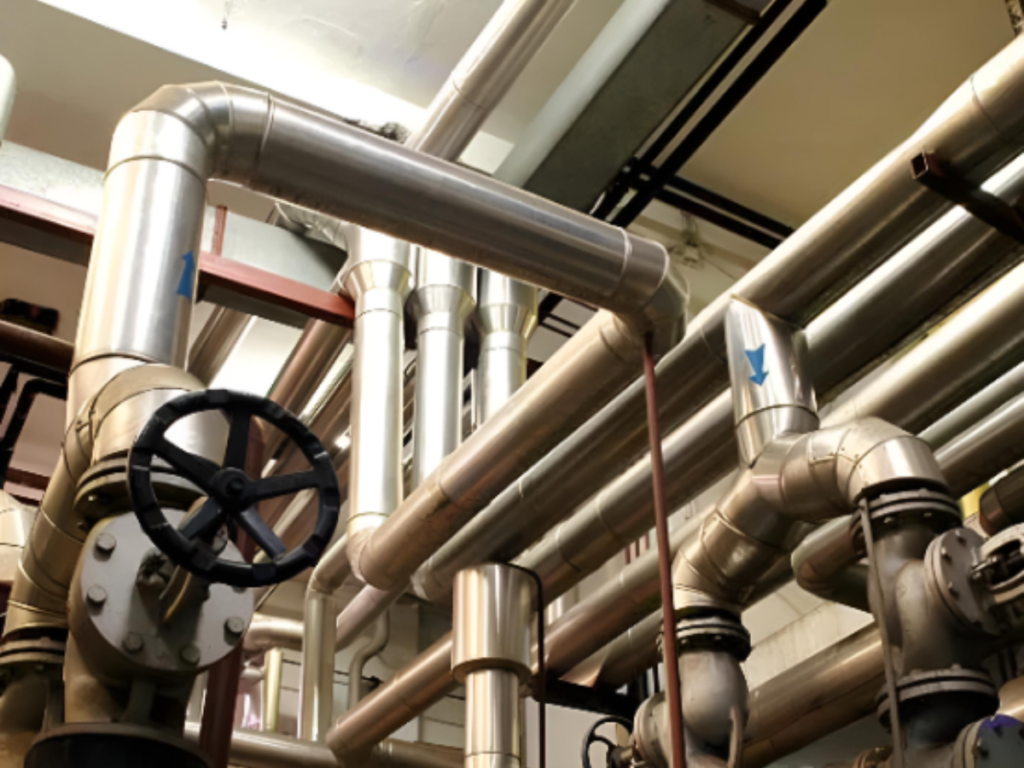
Reliable mechanical services are crucial to healthcare centres where patient care, staff operations and safety depend on it. Medical gases form a critical part of complex mechanical services; supplying vacuum and gases to every clinical area, operating theatre, treatment room and inpatient bedroom. Professional Medical Gas Services ensure the ongoing system integrity, design, installation, testing and maintenance of these systems.
What Are Medical Gas Systems?
Medical gas systems are a unique type of piping set up to provide gas and vacuum services to the healthcare facility. In the hospital the requirements can vary based on the facility, which allows them to provide oxygen, nitrous oxide, medical air, and vacuum services.
Most types of plumbing have standards, codes, regulations, and guidelines covering installation, testing and, if applicable, replacement with generic and manufacturer-specific instructions. Medical gas is different and a malfunction or neglect can seriously impact crucial clinical activities.
Why Is Proper Installation Important?
Medical gas systems require careful design and installation. Mistakes in connections, leaks, contamination or other errors during installation can impair system performance and pose significant hazards to the healthcare setting.
Commercial contractors know the proper needs of medical gas installations. They know how to plan piping configurations, install the correct components, perform all testing, and to assist in complying with standards.
As stated in Warner Mechanical‘s service information, the medical gas work is based on NFPA 99 specifications and systems, Oxygen, N20, vacuum, etc. are operated under professional technicians.
How Can Professional Services Support Patient Safety?
One of the most essential reasons for the utilization of professional medical gas services is for the safety of the patient. For example, medical gas systems are relied upon by many healthcare institutions for procedures, patient respiration, surgical and various other clinical procedures.
A dependable system that gets the medical gases where they are suppose to go and at the correct operating conditions. Inspection and testing should be preformed by trained personnel, to detect leaks, incorrect connections, pressure problems or other abnormalities prior to affecting operation of the facility.
Given that these systems have the possibility to directly support patient care, it would seem that care providers should be commissioned only from qualified personnel that are given the right experience and/or certification.
Why Are Testing and Maintenance Important?
The installation of the system is simply the start of the process. Frequent checks, testing and maintenance may allow the system to function as it should.
Components can become worn, connections can deteriorate, and existing piping can be altered during renovation work within the facilities. Regular maintenance and service can reveal potential problems before they become more serious issues.
The maintenance of a facility will also inform the facility managers as to the condition of the system as repairs and upgrades are necessary.
How Can Medical Gas Services Support Healthcare Expansion?
Healthcare organizations regularly add, expand, and renovate their facilities to meet evolving patient needs, staff numbers, or operational requirements. This sometimes necessitates system modifications or extensions in support of the new or renovated structures.
Experienced contractors are valuable for designing piping modifications in relation to the current infrastructure and needs of the facility. Ensuring everyone is on the same page is essential in arranging medical gas systems to work together with other mechanical, plumbing, and building systems.
A skilled contractor can reduce disruption while still making sure the systems installed or modified are correctly installed and tested.
What Role Does Compliance Play?
Compliance has to be considered for healthcare establishments. Medical gas systems are subject to more stringent standards and requirements due to their importance in delivering care to patients.
Competent professional contractors conversant with the relevant standards can assist healthcare organizations to meet installation, testing, documentation and maintenance requirements. Warner Mechanical reports that it installs medical gases to meet NFPA 99 standards and the requirements of Illinois.
Enlisting the help of experienced professionals can further minimize the chance of operations, failed inspections and unnecessary work.
How Does Process Piping Connect With Medical Gas Systems?
While process piping is a general term, medical gas refers to specific use. A hospital, for example, is likely to have several piping systems working at once.
The services that Professional Process Piping Central Illinois has to offer may include medical gas, compressed air, specialty gases, and other types of services. According to Warner Mechanical the scope of process piping can include: medical gas, compressed air, gas piping, and other miscellaneous process piping.
If, throughout healthcare projects, these systems are brought into order, this will significantly contribute to the sound and structured mechanical facility.
What Should Healthcare Facilities Look for in a Contractor?
Healthcare providers can take into account the contracter‘s experiences, certifications, technical expertise, working practices and healthcare work knowledge. Medical gas work is not similar to other plumbing works.
The selection of a contractor who can be responsible for the installation, testing and commissioning, repairs, service and up-grading of the system may also be advantageous. A well-proven service provider can potentially ease the maintenance of the system during its lifetime.
Conclusion
Medical gas services are an important service for healthcare facilities as these systems can play a direct role in the delivery of clinical care as well as supporting critical clinical activities. Appropriate design, installation, testing, commissioning, maintenance and suitable adherence to code and standards allows healthcare organizations to establish a robust medical gas supply network. Integration with process piping requirements can also provide a safer, more reliable and efficient service.
Frequently Asked Questions
1. What are medical gas services?
Medical gas piping services means the design, installation, testing, maintenance, repair and modification of piping systems which deliver medical gases or vacuum services to the various departments of a health care facility.
2. Why should healthcare facilities use qualified medical gas professionals?
Safety and performance requirements of medical gas systems are quite specific. Knowledge and training are required which only trained individuals hold.
3. What types of gases can medical gas systems support?
According to the clinical environment, some systems may include oxygen, nitrous oxide, medical air, vacuum, or other gases used for the patient care.
4. How often should medical gas systems be inspected?
The inspection and maintenance needs of the system will depend on the system itself, the location, the standard, and the manufacturer. Testing and maintenance schedules should be adopted by healthcare facilities.
5. Can medical gas systems be modified during renovations?
Yes. The medical gas systems may be extended, relocated or modified during hospital refurbishment. This work should be planned carefully and executed by qualified engineers to ensure the continued safety and integrity of the system.