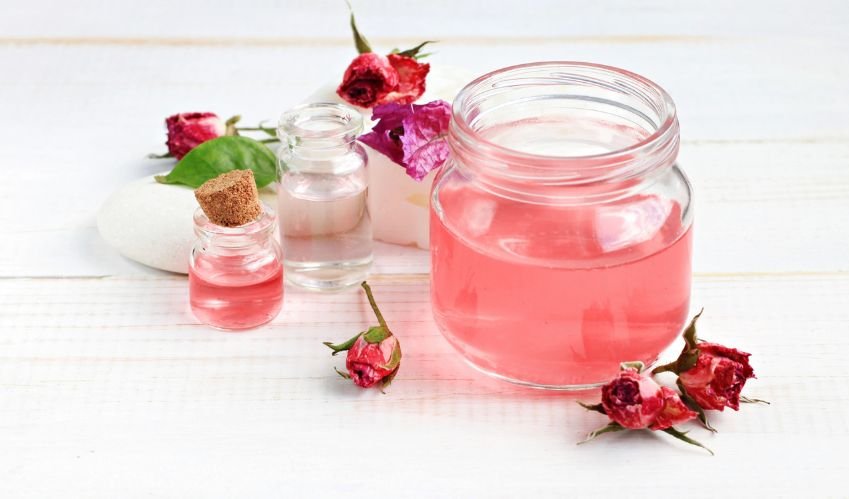
Rose Water
Its natural positioning, refreshing properties, and versatility are contributing to growing consumer interest. As shoppers increasingly look for botanical and plant-derived ingredients, brands are incorporating rose water into a wider range of formulations to meet changing preferences.
The rose water market attained a value of USD 513.25 million in 2025 and is projected to expand at a CAGR of 7.60% through 2035, reaching approximately USD 1,067.71 million by 2035. Once primarily associated with traditional skincare and beauty routines, rose water is increasingly finding applications across modern cosmetics, personal care, food, beverages, and wellness products.
Rising Demand for Natural Beauty Ingredients
One of the major factors supporting the growth of rose water is the increasing consumer preference for naturally derived beauty ingredients. Consumers are paying greater attention to product formulations and are increasingly seeking alternatives to products perceived as containing excessive synthetic ingredients.
Rose water is commonly used in facial mists, toners, cleansers, moisturizers, masks, and other skincare products. Its gentle and refreshing characteristics make it suitable for a variety of beauty routines. Brands are also highlighting botanical ingredients in product marketing to appeal to consumers interested in clean and nature-inspired beauty.
Rose Water in Modern Skincare
Skincare is one of the most prominent areas where rose water has gained popularity. It is frequently incorporated into products designed to refresh and hydrate the skin.
Rose water-based facial sprays and toners are particularly popular because they can be easily integrated into daily skincare routines. Consumers may use them after cleansing, before moisturizing, or throughout the day for a refreshing experience.
Beauty brands are also combining rose water with ingredients such as aloe vera, hyaluronic acid, botanical extracts, and essential oils. These combinations allow manufacturers to create products that target specific consumer needs while maintaining a plant-based positioning.
Growth of Wellness-Oriented Beauty
The growing connection between beauty and wellness is another factor influencing demand for rose water. Consumers increasingly view personal care as part of broader self-care routines rather than simply a way to address specific cosmetic concerns.
Rose water’s floral aroma and refreshing sensory experience make it attractive for wellness-oriented products. It can be incorporated into facial mists, bath products, body sprays, and other personal care formulations designed to support relaxing daily rituals.
This shift toward holistic wellness is encouraging brands to develop products that combine functional beauty benefits with sensory experiences.
Traditional Ingredient Meets Modern Consumer Preferences
Rose water has a long history of use in traditional beauty and personal care practices across several cultures. Its continued popularity demonstrates how traditional ingredients can be repositioned for modern consumers.
Today, brands are packaging rose water in convenient formats and presenting it through contemporary beauty concepts. This combination of heritage and modern product development allows companies to appeal to consumers who value both cultural traditions and innovative skincare solutions.
The ingredient’s familiar identity can also provide brands with opportunities to communicate authenticity and natural heritage.
Expansion Across Personal Care Products
The application of rose water is extending beyond conventional facial products. Manufacturers are incorporating it into a broad range of personal care items, including body lotions, shampoos, conditioners, soaps, and fragrances.
This diversification can help expand the addressable market for rose water. Rather than relying on a single product category, suppliers can serve multiple segments of the beauty and personal care industry.
Premium and specialty beauty brands may also use rose water as part of formulations positioned around botanical ingredients, natural beauty, and luxury experiences.
Influence of Clean Beauty Trends
Clean beauty continues to influence purchasing decisions in many markets. Consumers are increasingly interested in understanding where cosmetic ingredients come from and how products are manufactured.
Rose water fits naturally into this trend because it can be presented as a botanical ingredient with a recognizable origin. However, consumers are also becoming more sophisticated and may look beyond individual ingredients when evaluating a product.
Factors such as sourcing practices, processing methods, certifications, packaging, and overall formulation are therefore becoming increasingly relevant to brands operating in the rose water segment.
E-Commerce Is Expanding Product Accessibility
The growth of e-commerce is making rose water products more accessible to consumers. Online platforms allow shoppers to compare formulations, read reviews, explore different brands, and purchase specialized beauty products without relying solely on physical stores.
Social media is also helping increase awareness. Beauty creators and skincare enthusiasts frequently demonstrate how products can be incorporated into daily routines, giving botanical ingredients greater visibility among younger consumers.
For manufacturers, digital channels provide opportunities to reach niche audiences and introduce rose water-based products in markets where traditional retail distribution may be limited.
Sustainability and Responsible Sourcing
Sustainability is becoming increasingly important across the beauty industry. Consumers and brands are paying greater attention to ingredient sourcing, packaging waste, production processes, and environmental impact.
Rose-based product manufacturers may benefit from adopting responsible sourcing practices and efficient production methods. Sustainable packaging and transparent supply chains can further strengthen consumer confidence.
As the market develops, businesses that combine natural positioning with credible sustainability practices may have opportunities to differentiate themselves from competitors.
Challenges for the Rose Water Market
Despite its growth potential, the rose water market faces several challenges. Product quality can vary depending on the source of roses, extraction methods, concentration, storage conditions, and manufacturing processes.
Competition is another consideration, particularly as more brands introduce botanical and natural alternatives. Consumers have access to a wide variety of plant-based ingredients, meaning rose water products need to offer clear value and distinctive positioning.
Manufacturers must also maintain consistency and quality while managing raw material availability and production costs. Transparent labeling and reliable sourcing can become increasingly important as consumers demand greater product information.
Future Outlook
The future of the rose water market is likely to be shaped by continued demand for natural ingredients, expanding beauty and wellness applications, and greater consumer interest in self-care. Product innovation will create opportunities for manufacturers to introduce rose water into new formats and formulations.
With the market expected to grow from USD 513.25 million in 2025 to USD 1,067.71 million by 2035, rose water is positioned to become an increasingly important ingredient across beauty and wellness categories. Its combination of traditional appeal, botanical positioning, versatility, and sensory qualities gives brands opportunities to connect with consumers seeking more natural and experience-focused products.
As beauty and wellness continue to converge, rose water is expected to remain a popular ingredient for brands looking to develop products that combine nature-inspired formulations with modern consumer expectations.