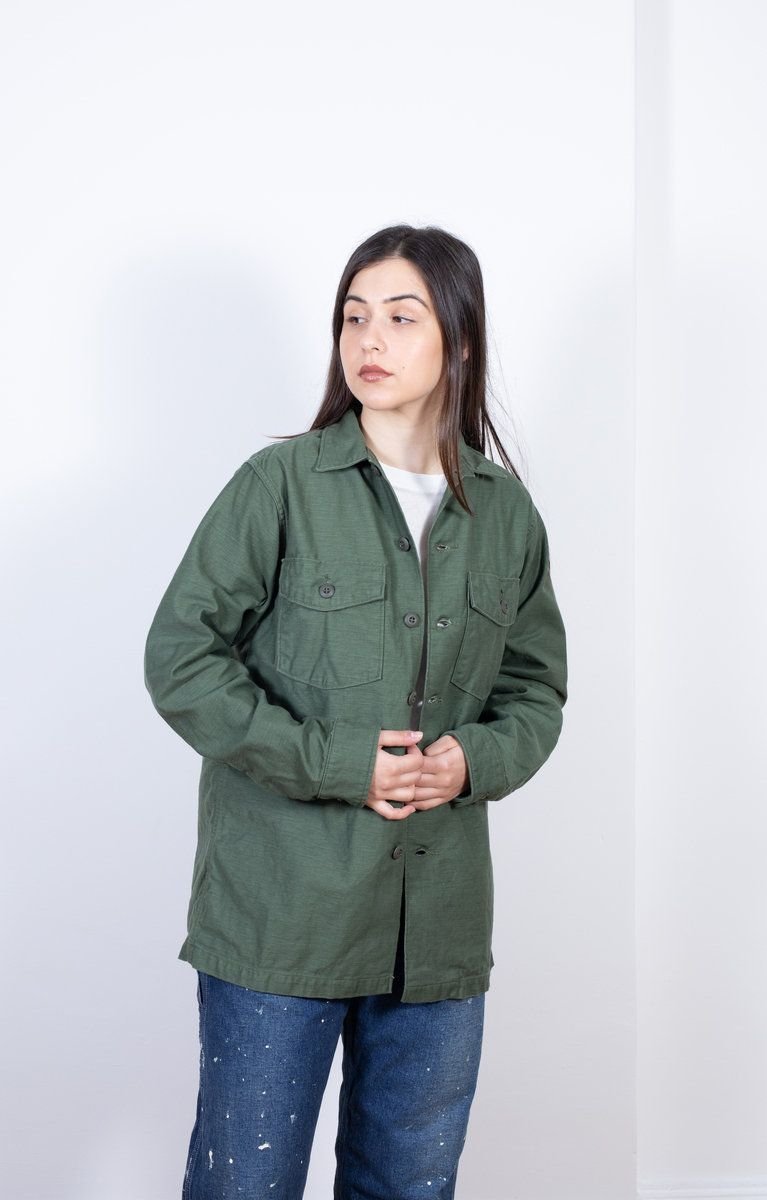
Workwear in the United States has a long history built around hard jobs, practical clothing, and garments made for daily use. From railroad workers to mechanics, farmers, and factory workers, American workwear grew from real working needs. orSlow takes a different path. The Japanese label studies older military and work garments, then gives those references a clean and wearable look.
The appeal of orSlow Clothing comes from its attention to old clothing patterns, fabric texture, fit, and small construction details. Instead of copying American workwear exactly, the brand studies what made older garments useful and gives those ideas a Japanese point of view. This makes orSlow USA a subject of interest for people who enjoy workwear but want something different from standard American styles.
The difference becomes easier to see when you compare the history, fabrics, cuts, colors, and daily wear of both approaches. orSlow Fatigue Pants, for example, show how a military-inspired garment can feel familiar while still having its own character.
Japanese Design Meets American Workwear History
Two Different Starting Points
American workwear developed around the needs of workers. Clothing had to handle long days, rough surfaces, outdoor conditions, and repeated washing. Denim jeans, chore coats, duck canvas jackets, and utility pants became common because they served practical purposes.
orSlow Clothing looks at this history from Japan. The brand has a strong interest in older clothing, military uniforms, and work garments from past decades. These references are studied for their shape, fabric, stitching, and wear patterns.
This creates an interesting contrast. American workwear often comes directly from a working tradition, while orSlow approaches similar clothing through research and recreation. The result still feels practical, but the design process is different.
Why the Difference Matters
A person shopping for orSlow USA may already know American workwear brands. They may like denim, canvas jackets, fatigue trousers, and chore coats but want softer fits or older-looking fabrics. That is where orSlow Clothing can stand apart. Its pieces often feel familiar at first glance, yet the proportions and fabric choices can make them look different when worn.
Fabric Choice Gives Each Brand Its Own Character
Texture Over Flashy Design
One of the easiest ways to notice the difference between orSlow and traditional American workwear is fabric.
American workwear has used materials such as heavyweight denim, duck canvas, flannel, wool, and cotton twill for generations. These materials were selected because they could handle demanding jobs.
orSlow Clothing also uses familiar materials, but the fabric itself often becomes a major part of the design. A pair of trousers may look simple until you notice the weave, color variation, softness, or way the fabric changes with wear.
This is one reason orSlow Fatigue Pants have become popular among people who enjoy military and workwear-inspired clothing. Their appeal is not based on loud graphics or complex decoration. The fabric, cut, pockets, and aging process do much of the work.
How Fabrics Change With Wear
Good workwear becomes personal through use. Cotton can soften. Colors can fade. Creases can develop around the knees, hips, and pockets.
orSlow Clothing takes this idea seriously. Many pieces are made to become more personal as they are worn. This gives orSlow USA shoppers a reason to look beyond how a garment appears on the first day.
American workwear has the same basic appeal, but the presentation can be different. Traditional American pieces may focus more directly on toughness, while orSlow often pays closer attention to the look and feel of older garments.
Fit Is One of the Biggest Differences
Relaxed Without Looking Oversized
Fit can change the entire appearance of workwear.
Classic American workwear often uses roomier cuts because workers needed freedom of movement and sometimes wore layers underneath. The result can be loose, straight, or boxy depending on the garment.
orSlow Clothing also uses relaxed shapes, but many pieces have carefully balanced proportions. A shirt may have room through the body without appearing too large. Trousers can have generous thighs with a controlled leg shape.
This is especially clear with orSlow Fatigue Pants. Their military roots are easy to see, yet the fit can feel more suited to modern casual wardrobes.
Why Fit Matters in Everyday Outfits
The right fit lets workwear move beyond a job site. orSlow USA customers often wear these garments with simple sneakers, boots, sweatshirts, denim jackets, or plain T-shirts.
orSlow pieces can work well because they do not need a full workwear outfit around them. A single pair of pants can become the main practical piece in an otherwise simple outfit.
This is also where orSlow Clothing differs from some traditional workwear. The goal is not only to make a garment useful for work. The same design can fit into casual clothing without looking out of place.
Military Influence Sets orSlow Apart
From Workwear to Military Clothing
American workwear is a major part of orSlow Clothing, but military garments are just as important to its visual language.
Military clothing was created around practical needs such as movement, storage, durability, weather protection, and uniform appearance. Fatigue pants, field jackets, cargo trousers, and utility shirts are examples of clothing that later moved into everyday fashion.
orSlow Fatigue Pants are a strong example of this connection. Their design has a military feel, but they can be worn in a simple everyday outfit.
American workwear can also include military-inspired styles, yet orSlow often places these references beside workwear, denim, and vintage casual clothing. This creates a broader mix.
A Subtle Vintage Look
Vintage influence does not always mean making a garment look old. It can mean using older patterns, fabric weights, pocket shapes, buttons, stitching, or proportions.
That approach is common across orSlow Clothing. The pieces can look simple, but small details give them a sense of history.
For shoppers in the orSlow USA market, this can make the clothing appealing when they want vintage-inspired pieces without wearing obvious costume-style vintage clothing.
Details Matter More Than Decoration
Pockets, Buttons, and Stitching
American workwear is famous for practical details. A carpenter may need tool loops. A mechanic may need strong pockets. A railroad worker may need clothing that can withstand repeated use.
orSlow Clothing keeps the practical side of these details while giving them careful visual treatment. Pocket placement, button selection, stitching, hems, and seams can all affect how a garment looks and feels.
orSlow Fatigue Pants, for example, use utility-based pocket designs that come from military clothing. Those pockets are useful, but they also shape the appearance of the trousers.
Simple Clothing With Small Details
A plain pair of pants can look very different depending on its rise, leg shape, pocket position, fabric weight, and color.
That is one of the strengths of orSlow. The clothing does not need large logos or bold prints to stand out.
This also makes orSlow USA appealing to shoppers who prefer understated clothing. A person can build an outfit around one garment and keep everything else simple.
How orSlow Clothing Works in a Modern American Wardrobe
Easy Pairings
One reason orSlow Clothing works well for American shoppers is that its designs are familiar. You do not need to completely change your wardrobe to wear it.
Try or Slow Fatigue Pants with a plain white T-shirt and sneakers for a relaxed outfit. For cooler weather, add a flannel shirt, sweatshirt, or chore coat.
A pair of or Slow trousers can also work with boots and a denim jacket. These combinations connect Japanese design with familiar American clothing.
Seasonal Use
The range of fabrics makes or Slow USA suitable for different seasons. Lightweight cotton trousers can work during warmer months, while heavier shirts, denim, and outerwear can be useful in colder weather.
Layering is another simple way to wear orSlow Clothing. A basic shirt can sit under a jacket, while fatigue pants or denim provide the foundation for the outfit.
The clothing does not require complicated styling. That makes it useful for people who want clothes that can move between casual settings.
orSlow USA: Why American Shoppers Notice the Difference
The interest in orSlow USA comes partly from the connection between Japanese and American clothing history.
Japanese designers have studied American denim, military uniforms, sportswear, and workwear for decades. orSlow takes those references and presents them through a Japanese design perspective.
For an American shopper, this creates an interesting experience. The clothing can feel familiar because the references come from styles already known in the United States. At the same time, the fit, fabric, proportions, and small details can feel fresh.
or Slow Clothing is not simply trying to replace American workwear. It offers another interpretation of ideas that have already shaped everyday clothing.
That distinction matters when choosing between the two. Someone who wants traditional American workwear may prefer a classic American brand. Someone who wants military and workwear references with a Japanese point of view may prefer or Slow USA.
Is orSlow Clothing Better Than American Workwear?
There is no single answer.
American workwear can be a good choice for people who want clothing connected directly to American industrial history. Many pieces have simple designs, practical materials, and proven silhouettes.
or Slow Clothing may suit someone who wants a similar practical foundation with more attention to vintage references, proportions, fabric character, and Japanese design.
The choice depends on what you want from your wardrobe.
If you prefer straightforward workwear, American brands may be the better match. If you enjoy military clothing, vintage denim, relaxed trousers, and carefully studied older designs, or Slow may be worth a closer look.
The same applies to orSlow Fatigue Pants. They are not simply another pair of utility trousers. They bring military references into a modern casual wardrobe while keeping the design easy to wear.
What Makes orSlow Clothing Stand Out?
The biggest difference is the way old clothing ideas are studied and reworked.
or Slow Clothing brings together American workwear, military garments, vintage clothing, and Japanese design. The result is clothing that feels practical without looking strictly like job-site gear.
orSlow also places strong attention on fabric, fit, aging, and small construction choices. Those details may seem minor when viewed separately, but together they change how a garment looks and feels.
For shoppers searching for or Slow USA, this is one of the main reasons the brand can feel different from familiar American workwear.
The appeal of or Slow Fatigue Pants shows the idea clearly. The pants have a recognizable military foundation, yet their proportions, material, and styling options make them suitable for everyday American wardrobes.
FAQs
Is orSlow Clothing American workwear?
No. orSlow Clothing is Japanese, but many of its designs are influenced by American workwear, military clothing, and vintage garments.
Why are orSlow Fatigue Pants popular?
orSlow Fatigue Pants combine military-inspired details with a comfortable everyday shape. They can work with T-shirts, sweatshirts, jackets, sneakers, and boots.
Does or Slow fit like American workwear?
The fit can be similar in its relaxed approach, but or Slow often uses its own proportions. Checking the measurements for each garment is the safest way to choose a size.
Is orSlow Clothing good for everyday wear?
Yes. orSlow Clothing is designed around practical pieces that can fit easily into casual wardrobes. Trousers, shirts, jackets, and denim can all be worn in simple combinations.
Where can I find orSlow in the USA?
Shoppers looking for or Slow USA can check authorized retailers and specialist stores that carry Japanese clothing. Product availability and sizing can differ between stores.
Final Thoughts
The difference between orSlow Clothing and American workwear is not about one being better than the other. It comes from their different design backgrounds.
American workwear grew from the needs of workers and industries. orSlow studies that history from Japan and combines it with military references, vintage clothing ideas, careful fabrics, and modern proportions.