Choosing between pants and jeans can change the feel of an entire outfit. Both can work for everyday wear, but they offer different textures, fits, colors, and styling options. For shoppers interested in Japanese-inspired workwear, orSlow offers several pants styles that sit apart from standard denim jeans. The choice often comes down to how you dress, where you wear your clothes, and what kind of comfort you want during the day.
Some people prefer the familiar feel of denim. Others like the lighter structure, military references, and relaxed shapes found in certain workwear pants. Looking at the differences between these two options can make shopping easier, especially if you are building a wardrobe around simple American casual style.
What Makes orSlow Pants Different From Jeans?
At first glance, pants and jeans may seem similar. Both can be worn with T-shirts, shirts, jackets, sneakers, and boots. The difference becomes clearer when you look at fabric, construction, fit, and the history behind each style. orSlow Clothing includes pants inspired by military uniforms, workwear, and classic everyday clothing. Some designs use fabrics that feel softer and less rigid than traditional denim. The shapes may also have a roomier seat, wider leg, or practical pocket layout.
Jeans are usually associated with denim fabric. Their five-pocket design is one of the most familiar clothing styles in modern fashion. Denim can range from lightweight and soft to heavy and stiff, depending on the fabric and construction. Pants give you more choices outside the traditional five-pocket format. A fatigue-style pair, for example, can add a military feel without making an outfit look like a costume. That makes orSlow Fatigue Pants an appealing option for shoppers who want something different from regular jeans.
When Should You Choose orSlow Pants?
Pants can be a better choice when you want a relaxed look with orSlow Clothing that still feels put together. They work well with simple tops and can create an outfit without requiring many extra pieces.
For Everyday Casual Outfits
If your daily wardrobe includes plain T-shirts, Oxford shirts, sweatshirts, or casual jackets, pants can fit naturally into the rotation. A pair of fatigue pants can be worn with a tucked shirt for a cleaner look or with a loose tee for a more relaxed outfit.
orSlow Clothing often uses understated colors such as olive, navy, beige, and khaki. These shades are easy to combine with neutral tops and footwear. You can also use them as a break from blue denim without moving into a completely different style.
For Warm Weather
Jeans can become uncomfortable during hot weather, especially when they are made from heavier denim. Lightweight cotton pants may feel easier to wear when temperatures rise.
This does not mean every pair of pants is cool or light. Fabric weight still matters. Before buying, check the material and think about the season in which you plan to wear them.
For shoppers in the United States, orSlow USA collections can be useful when looking for pants suited to casual American wardrobes. The style can work in cities, college settings, creative workplaces, and relaxed weekend outfits.
For a Workwear-Inspired Wardrobe
If you like military trousers, utility shirts, chore jackets, and vintage-inspired clothing, pants can bring the whole wardrobe together.
orSlow Fatigue Pants are especially useful here because their simple shape can sit between workwear and everyday casual clothing. You do not need to wear a full workwear outfit. A plain white T-shirt, fatigue pants, and canvas sneakers can be enough.
When Are Jeans the Better Choice?
Jeans remain one of the easiest clothing choices for everyday dressing. They are familiar, versatile, and available in many cuts and washes.
For a Classic Wardrobe
If you want one pair of bottoms that works with almost everything, jeans are a safe starting point. Blue jeans can be worn with a white tee, flannel shirt, sweatshirt, denim jacket, leather shoes, or sneakers.
Black jeans offer another simple option. They can create a cleaner appearance and work well with dark jackets and boots.
orSlow also offers denim styles, so you do not always have to choose between the brand and jeans. The real question is which fabric and silhouette fit your wardrobe better.
For Cooler Weather
Denim can be useful during fall and winter because heavier versions provide more structure and warmth. You can wear jeans with sweaters, wool coats, overshirts, and heavier jackets.
A straight-leg jean can also create a balanced shape with bulky outerwear. If your wardrobe includes boots and heavier jackets, jeans may feel like the natural choice.
For Simple Styling
Jeans are easy to understand. A pair of blue jeans can serve as the starting point for dozens of outfits. You can dress them up slightly with a button-up shirt or keep things casual with a sweatshirt.
That simplicity is one reason jeans remain popular across the United States. They do not require much thought, and they fit into many personal styles.
orSlow Fatigue Pants vs Denim Jeans
One of the most useful comparisons is between fatigue pants and classic jeans. Both can become everyday staples, but they create different visual results.
Fabric and Feel
Denim usually has a distinct texture and structure. Raw or heavyweight denim can feel stiff when new and soften after repeated wear. Washed denim may feel softer from the beginning.
Fatigue-style pants often have a softer cotton feel, depending on the fabric used. They may move more freely and feel less rigid during long periods of sitting or walking.
orSlow Fatigue Pants can be a good option if you like the look of utility clothing but want something that does not feel overly formal or technical.
Pocket Design
Jeans usually have five pockets, with two front pockets, two rear pockets, and a small coin pocket. This layout is familiar and practical.
Fatigue pants often use larger front pockets and a simpler military-inspired design. The pockets can add visual interest while giving the pants a more relaxed appearance.
Color Options
Blue is the most recognizable jean color, but jeans are also available in black, gray, ecru, and other shades.
Fatigue pants often appear in olive, khaki, navy, and similar muted colors. These shades pair well with earthy tones and neutral footwear.
If your wardrobe already contains several blue jeans, adding olive pants can give you more outfit choices without buying a completely different type of clothing.
How Fit Changes the Decision
Fit may matter more than fabric when deciding between pants and jeans. A garment can look very different depending on the leg width, rise, and length.
Straight and Relaxed Fits
Straight-leg pants offer a classic shape from the hip down to the ankle. Relaxed fits give you more room through the leg and often create a more casual appearance.
If you usually wear slim jeans, moving into a wider pair of pants may feel unfamiliar at first. Start with a moderate straight or relaxed cut if you want an easier change.
Rise and Waist
The rise affects where the waistband sits on your body. A higher rise can create a traditional workwear appearance, while a lower rise may feel more familiar to people who usually wear modern jeans.
When shopping online, compare the waist, rise, thigh, knee, and hem measurements instead of relying only on labels such as medium or large.
This is also useful when shopping through orSlow USA, since sizing can differ between Japanese and American clothing systems.
Length
The right length can change the entire shape of an outfit. A longer hem may create more fabric around the shoe, while a shorter length can give a cleaner appearance.
Think about your footwear before choosing the length. Boots, sneakers, loafers, and sandals can all create different results with the same pair of pants.
How to Style orSlow Pants
The easiest way to wear orSlow Clothing is to keep the rest of the outfit simple. The pants can provide enough visual detail without needing several statement pieces.
For a casual weekend outfit, try olive fatigue pants with a white T-shirt and canvas sneakers. Add a lightweight overshirt if the weather is cool.
For fall, pair navy or khaki pants with a sweatshirt and workwear jacket. Brown or black boots can add a heavier finish.
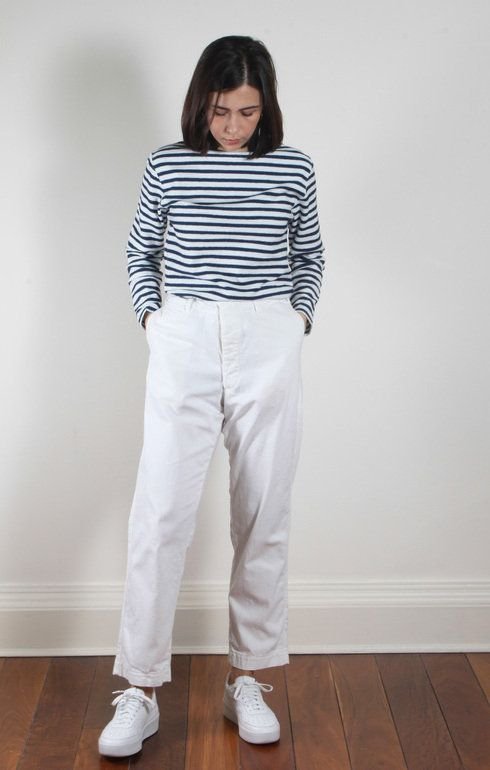
For spring, try fatigue pants with a striped shirt and low-profile sneakers. The contrast between the clean shirt and utility-inspired pants keeps the outfit relaxed.
You can also wear orSlow Fatigue Pants with denim jackets. The combination works because the two fabrics have different textures. A blue denim jacket above olive pants creates a simple contrast without looking too matched.
For a cleaner outfit, wear straight pants with an Oxford shirt and leather shoes. The result can feel polished without becoming formal.
How to Style Jeans Instead
Jeans are even easier to style because they already fit into most casual wardrobes.
A white T-shirt and blue jeans make a reliable warm-weather outfit. Add sneakers for a casual finish or boots when you want a heavier look.
For fall, wear straight jeans with a flannel shirt and jacket. A sweatshirt can replace the shirt for an even simpler outfit.
Black jeans work well with dark outerwear. A black pair with a gray sweatshirt and black sneakers creates a low-key monochrome outfit.
If you enjoy Japanese workwear, you can also combine jeans with fatigue-style jackets, chore coats, military shirts, and canvas footwear. The mix gives you the texture of workwear without requiring every piece to come from the same category.
What Should You Buy First?
The answer depends on what is already in your closet.
If you own several pairs of jeans, buying pants may give you more variety. A pair of olive fatigue pants can fill a gap while still working with your existing shirts and jackets.
If you rarely wear denim, start with one pair of jeans in a medium blue or dark wash. Once you know which fit you like, you can add other styles.
For someone building a wardrobe around Japanese workwear, orSlow pants can make sense as an early purchase because they work with simple everyday clothing. You can wear them with tees, sweatshirts, shirts, jackets, and many types of footwear.
Shoppers looking at orSlow USA options should also check measurements before ordering. Japanese sizing may differ from the sizes you normally buy from American brands.
Which Option Is More Versatile?
Versatility depends on your lifestyle. Jeans may win if you want one familiar pair for nearly every casual situation. Pants may win if you want more color choices, softer fabrics, or a workwear-inspired appearance.
There is no need to treat the choice as permanent. A strong casual wardrobe can include both.
For example, keep jeans for cooler days, casual dinners, and outfits built around denim jackets. Use pants for warm weather, relaxed weekends, and outfits that need a different texture.
orSlow Clothing can fit into this type of wardrobe because many pieces are easy to combine with clothing you already own.
Final Thoughts
Choosing between pants and jeans comes down to comfort, fit, fabric, and personal style. Jeans offer a familiar shape and strong everyday appeal. Pants give you more room to experiment with colors, pocket designs, and workwear-inspired silhouettes.
If you prefer classic denim and want simple styling, jeans may be the better starting point. If you already own denim and want something with a military or utility feel, orSlow Fatigue Pants are worth considering.
The best wardrobe does not need to follow one category. Mixing jeans with orSlow Clothing can give you more choices while keeping outfits simple. Whether you shop through orSlow USA or another retailer, focus on measurements, fabric weight, fit, and how each piece works with clothing you already wear.
FAQs
Are orSlow pants better than jeans for everyday wear?
Neither is automatically better. Jeans offer familiar styling, while pants can provide a softer feel and a different workwear-inspired look.
Can orSlow Fatigue Pants be worn with sneakers?
Yes. They pair well with simple canvas sneakers, low-profile trainers, and other casual footwear.
Are orSlow pants good for summer?
Some styles can work well in warm weather, especially when made from lighter cotton. Always check the fabric weight before buying.
Should I size up in orSlow pants?
Do not assume that you need to size up. Check the waist, rise, thigh, and inseam measurements for the specific style before ordering.
Can I wear orSlow Clothing with regular jeans?
Yes. Jackets, shirts, and other pieces can be combined with regular denim. Mixing the two creates an easy casual wardrobe with different textures and shapes.