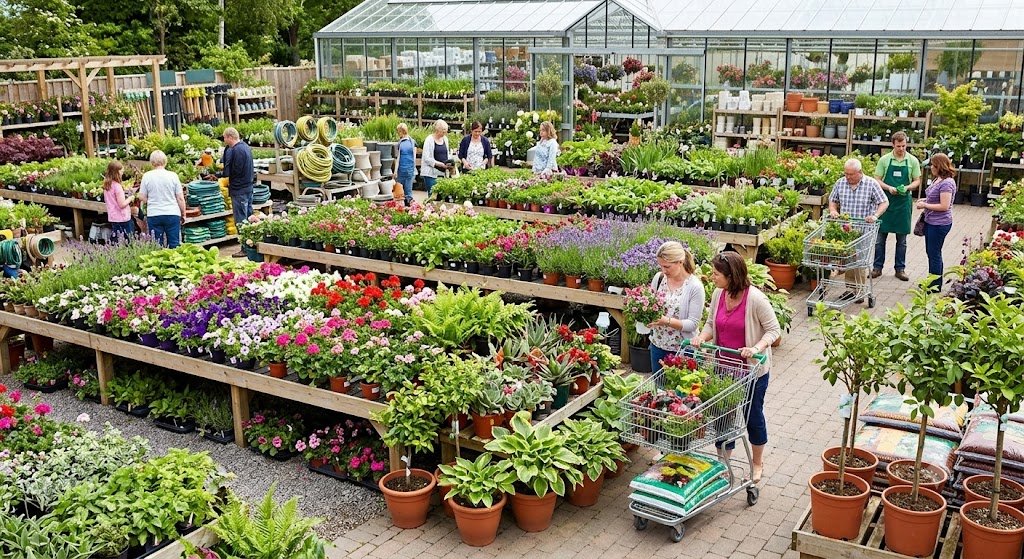
Creating a beautiful outdoor space begins with selecting healthy plants that match your landscape and local growing conditions. Whether you are starting your first flower bed, upgrading your backyard, or adding seasonal color, choosing the right plants makes a significant difference. Appleton’s changing seasons require thoughtful planning, making it important to understand what to look for before bringing plants home. A successful garden is built on healthy roots, proper care, and smart plant selection.
Shopping at garden centers in Appleton, WI, gives you access to a wide variety of trees, shrubs, flowers, vegetables, and gardening supplies suited to the local climate. Instead of choosing plants based only on appearance, take time to inspect their health, understand their growing requirements, and select varieties that will thrive in your yard. Making informed choices helps reduce maintenance while improving long-term growth and curb appeal.
Why Healthy Plants Matter for Long-Term Success
Healthy plants establish stronger root systems, adapt more quickly after planting, and are less likely to develop diseases or pest problems. Before purchasing any plant, inspect it carefully. Look for bright, evenly colored leaves without spots or discoloration, strong stems that stand upright, roots that are not circling excessively or emerging heavily from drainage holes, and foliage free from visible insects, mold, or significant damage. A plant with roots that are tightly circling the container is considered root-bound and may struggle after transplanting. Avoid plants with wilted leaves, broken branches, or other obvious signs of stress.
Select Plants That Match Appleton’s Climate
Every landscape performs better when plants are suited to the local environment. Appleton is currently classified in USDA Plant Hardiness Zone 5b, with winter temperatures that can reach approximately -15°F to -10°F. This makes climate compatibility an important consideration when selecting perennial plants, shrubs, and trees. Look for plants that are rated for Zone 5b or colder and consider varieties such as serviceberry, red maple, black-eyed Susan, purple coneflower, and bee balm when their sunlight, soil, and moisture requirements match your yard. Choose plants based on sunlight availability, soil type and drainage, water requirements, mature plant size, and seasonal temperature changes.
Appleton’s average last frost window is around May 11 to May 20, while the average first frost occurs around October 1 to October 10. Tender annuals and warm-season vegetables are generally best planted outdoors after the threat of spring frost has passed, while cold-hardy plants may be planted earlier when local conditions allow. Checking the weather before planting is still important because actual frost dates can vary from year to year. Native and climate-adapted plants generally require less maintenance and are better equipped to handle local weather conditions throughout the year.
Plan Your Garden Before You Shop
A little preparation prevents unnecessary purchases and helps create a balanced landscape design. Before visiting a garden center, consider areas receiving full sun or shade, available planting space, desired colors throughout each season, privacy or decorative goals, and existing plants and landscape features. Planning ahead allows you to select plants that complement one another while avoiding overcrowding as they mature.
Don’t Overlook Soil and Mulch
Healthy plants depend on healthy soil. Even premium plants can struggle if planted in poor-quality soil with inadequate nutrients or drainage. Improve planting success by using nutrient-rich garden soil, organic compost, quality mulch for moisture retention, and proper fertilizers when needed. These simple additions encourage stronger root development while reducing weed growth and helping maintain consistent soil moisture.
Ask Questions Before Purchasing
Knowledgeable garden professionals can help you make better decisions for your landscape. Ask how much sunlight a plant requires, how often it should be watered, what its expected mature size will be, whether it is resistant to common pests, and what seasonal maintenance is recommended. Understanding proper care before planting helps prevent common gardening mistakes and improves long-term success.
Seasonal Gardening Creates Year-Round Interest
A well-designed landscape offers color and texture throughout every season instead of blooming only during spring. Spring flowering bulbs such as tulips and daffodils can provide early color, while summer annuals and perennials such as marigolds, coneflowers, and black-eyed Susans can keep beds vibrant. Fall ornamental grasses and shrubs add texture later in the year, while evergreen trees provide structure through winter. A thoughtful seasonal approach keeps your landscape attractive while supporting healthy plant growth throughout the year.
Conclusion
Choosing quality plants is one of the most important steps toward building a beautiful and sustainable landscape. By selecting healthy specimens, matching plants to local growing conditions, improving soil quality, and planning your layout carefully, you can enjoy lasting results with less maintenance. Whether you are refreshing existing flower beds or starting a completely new landscape, visiting garden centers in Appleton, WI, with a clear plan will help you make confident decisions that support healthy growth for years to come.
Ready to create a healthier, more attractive landscape? Visit a local garden center in Appleton, WI, to explore plants, soil, mulch, and gardening supplies, and speak with garden professionals about the best choices for your yard and growing conditions.