A healthy sewer system plays a major role in keeping your home or business clean, safe, and functional. Over time, grease, soap residue, tree roots, and other debris can build up inside underground sewer lines, creating slow drainage and unexpected plumbing problems. Regular maintenance helps prevent these issues before they become expensive repairs. Understanding how sewer systems work also allows you to recognize early warning signs and take action before small concerns grow into major disruptions.
Ignoring sewer line maintenance can lead to unpleasant odors, recurring drain backups, and even water damage inside your property. Scheduling sewer cleaning in Iowa City, IA, as part of routine plumbing maintenance helps remove stubborn buildup and keeps wastewater flowing efficiently throughout the year. Whether you own an older home or a newer property, preventive sewer maintenance reduces the risk of emergency plumbing situations while extending the life of your underground pipes.
Why Sewer Lines Become Clogged
Many everyday activities contribute to sewer blockages without homeowners realizing it. Kitchen grease, food scraps, paper products, mineral buildup, and invasive tree roots are among the most common causes.
Some common reasons sewer lines clog include:
- Grease and cooking oil hardening inside pipes
- Tree roots entering small pipe cracks
- Flushing items that should never enter drains
- Mineral deposits narrowing pipe openings
- Accumulated debris from years of normal use
Recognizing these causes helps you adopt better habits that protect your plumbing system.
Warning Signs You Should Never Ignore
Sewer issues often begin with subtle symptoms before becoming major problems. Paying attention to these early warning signs can save you significant repair costs.
Watch for:
- Multiple drains emptying slowly
- Gurgling sounds from sinks or toilets
- Unpleasant sewer odors indoors or outdoors
- Water backing up into tubs or floor drains
- Frequent toilet clogs throughout the property
If several of these symptoms appear simultaneously, your main sewer line may require professional cleaning.
Sewer Cleaning Methods Professionals Use
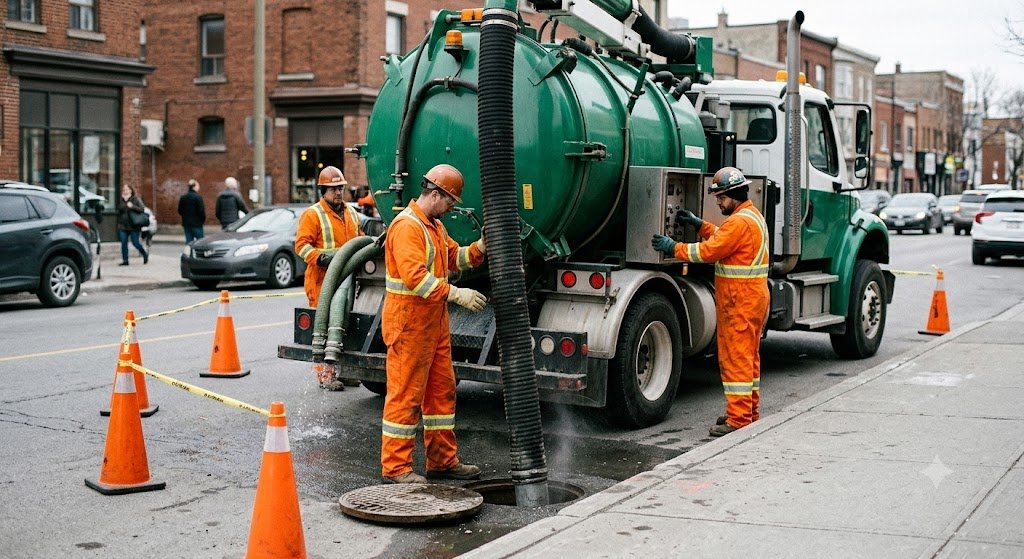
Different types of sewer blockages require different cleaning methods. Hydro jetting uses high-pressure water to break apart grease, sludge, and stubborn buildup along the inside of sewer pipes. Cabling or rodding uses specialized equipment to break through or remove blockages when a more targeted approach is needed.
A sewer camera inspection can also help professionals locate blockages, damaged sections, root intrusion, or other problems inside underground lines without unnecessary digging. When tree roots are responsible for recurring problems, root cutting can remove the intrusion, while specialized foaming treatments may help manage root growth inside sewer lines.
Benefits of Routine Sewer Cleaning in Iowa City
Regular maintenance offers more than just improved drainage. It helps protect your plumbing investment while reducing the chances of emergency repairs.
Some important benefits include:
- Improved wastewater flow
- Reduced risk of unexpected backups
- Longer lifespan for sewer pipes
- Lower maintenance costs over time
- Better plumbing performance throughout your property
Preventive maintenance also allows plumbing professionals to identify developing issues before they require costly excavation or pipe replacement.
Practical Maintenance Tips for Homeowners
Simple maintenance habits can significantly reduce the likelihood of sewer problems.
Follow these best practices:
- Dispose of cooking grease in containers instead of sinks.
- Avoid flushing wipes, paper towels, or hygiene products.
- Schedule periodic sewer inspections for aging properties.
- Install drain strainers to catch debris.
- Address slow drains before they worsen.
These small steps help maintain consistent drainage and reduce unnecessary strain on your sewer system.
How Often Should Sewer Lines Be Cleaned?
There is no single cleaning schedule that works for every property. Homes with older plumbing, mature trees, recurring backups, or a history of sewer blockages may benefit from more frequent inspections and cleaning. Properties without recurring problems may only need periodic professional evaluation.
A plumbing professional can recommend a service interval based on the age and condition of the pipes, previous blockages, root intrusion, and overall usage. Scheduling maintenance before problems become severe can help reduce the likelihood of emergency service.
Understanding Sewer Cleaning Costs
The cost of sewer cleaning can vary depending on the severity and location of the blockage, the cleaning method required, accessibility, and whether additional inspection or root removal is necessary. In Iowa City, homeowners may commonly encounter costs ranging from roughly $150 to $500 for standard sewer cleaning, while more complex services can cost more.
A professional inspection and upfront estimate can help determine the appropriate service and avoid unexpected expenses.
Lateral Line vs. City Main: Who Is Responsible?
It is important to understand the difference between a private sewer lateral and the city-owned sewer main. The lateral line generally carries wastewater from a property to the public sewer system, while the city main serves multiple properties.
Responsibility for repairs and cleaning can depend on the exact location of the problem and local regulations. If a blockage is in your private lateral, the property owner may be responsible. Problems involving the public main may fall under the local utility or municipality. Confirming the location of the blockage before beginning major work can help determine who should address it.
Sewer Cleaning vs. Septic Tank Pumping
Sewer cleaning and septic tank pumping are different services. Sewer cleaning addresses blockages and buildup inside sewer pipes connected to a municipal wastewater system. Septic tank pumping removes accumulated solids from a private septic tank.
Properties connected to municipal sewer systems generally do not require septic tank pumping, while properties using septic systems require scheduled tank maintenance. Knowing which system your property uses helps ensure you receive the appropriate service.
Why Local Conditions Matter
Properties in Iowa City experience seasonal weather changes that can affect underground sewer lines. Heavy rainfall, freezing temperatures, and shifting soil may increase stress on aging pipes. Homes with mature landscaping may also experience root intrusion more frequently because roots naturally seek moisture inside sewer lines.
Routine inspections combined with scheduled maintenance help identify these local challenges before they lead to significant plumbing failures.
Conclusion
Maintaining a clean sewer system is one of the smartest ways to protect your property from costly plumbing emergencies. By recognizing warning signs early, practicing good drain habits, and scheduling routine maintenance, you can improve system performance and extend the life of your sewer lines. Investing in sewer cleaning in Iowa City provides long-term peace of mind, helping your plumbing system operate efficiently while reducing the likelihood of unexpected repairs. If you are experiencing slow drains, recurring backups, sewer odors, or other warning signs, contact a professional sewer cleaning service to inspect your system and determine the right maintenance solution before a minor blockage becomes a major plumbing problem.