Laser hair removal has become a popular option for people looking to reduce unwanted hair without relying solely on repeated shaving, waxing or other temporary methods. However, choosing a treatment is not simply about finding a laser clinic and booking an appointment.
Skin type, hair characteristics, treatment area and the technology being used can all influence how a treatment is planned. This is why personalised assessment is an important part of professional laser hair removal.
Why Does Skin Type Matter?
Laser hair removal works by directing light energy towards the hair follicle. The pigment in the hair absorbs this energy, allowing the follicle to be targeted.
Because skin also contains pigment, treatment settings need to be selected carefully. Skin tone can influence how the laser interacts with the skin, which means the same approach may not be appropriate for every individual.
A professional consultation helps identify relevant skin characteristics before treatment begins. The Laser Suite states that it uses the Fitzpatrick Skin Type Scale to personalise treatment settings for different skin tones.
What Is the Fitzpatrick Skin Type Scale?
The Fitzpatrick scale is commonly used by professionals to classify skin according to its response to sun exposure. It ranges from Type I through Type VI, covering a broad range of skin tones.
For laser hair removal, understanding skin type can help practitioners select suitable settings and treatment approaches. However, skin type is only one part of the assessment.
Hair colour, hair thickness, treatment area, previous tanning and individual circumstances can also be relevant when planning treatment.
Does Hair Type Affect Treatment?
Yes. The characteristics of the hair being treated can influence the treatment process.
Laser energy is attracted to pigment within the hair, so the colour and structure of the hair can affect how it responds. Coarser, darker hair may respond differently from finer or lighter hair.
This is one reason why results should not be judged from another person’s experience. Two people having treatment on the same body area can have different treatment plans and outcomes.
Why Is a Consultation Important?
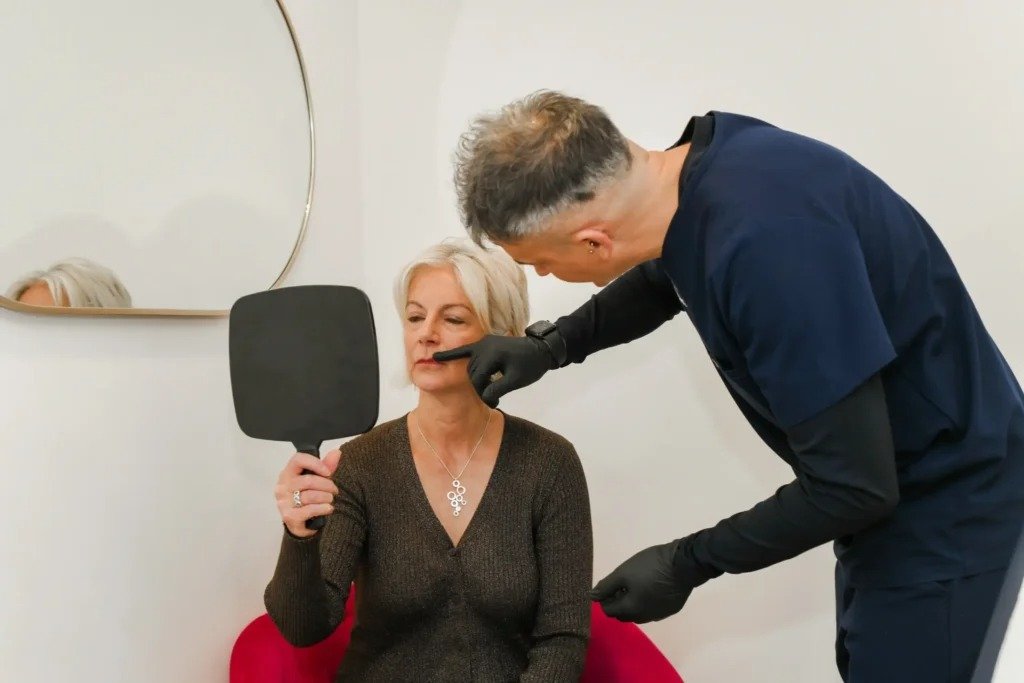
A consultation gives both the client and practitioner an opportunity to establish whether treatment is appropriate.
The practitioner can discuss the area being treated, skin characteristics, hair growth, previous hair-removal methods and expectations. It is also a good time to discuss preparation, possible side effects, aftercare and the likely number of sessions.
The Laser Suite describes its approach as personalised, with treatments tailored according to individual skin type and requirements.
A consultation should also provide an opportunity to ask questions rather than simply being a step towards booking treatment.
Different Body Areas Need Different Considerations
Laser hair removal can be used on several areas, but treatment requirements can vary considerably.
The face may require a more precise approach because of the smaller treatment area and characteristics of facial hair. Larger areas such as the legs, back and chest require a different treatment strategy.
Underarms and bikini areas can also be treated, although sensitivity and individual comfort should be discussed beforehand.
The Laser Suite currently offers treatments across areas including the face, legs, bikini, underarms, chest and back, as well as full-body options.
What About Treatment Technology?
Not all laser systems are identical. Different devices use different technologies and may offer different approaches to treating hair and skin.
The Laser Suite uses the Soprano ICE Titanium Special Edition and states that its system incorporates cooling technology and is used for personalised treatments across different skin types.
Technology is important, but it should not be the only factor considered. The experience of the practitioner, appropriate assessment and correct treatment settings are equally important considerations.
How Many Treatments Are Usually Needed?
Laser hair removal is normally carried out as a course of treatments because hair grows through different phases.
Not every follicle is equally responsive during every appointment, so sessions are generally spaced according to the treatment plan. The Laser Suite states that many clients require around six to eight sessions, although individual requirements vary according to factors such as hair type, skin tone and treatment area.
There is no universal number of sessions that guarantees the same outcome for everyone.
What Should You Look for in a Clinic?
When searching for a laser hair removal clinic, consider more than the equipment or advertised package.
Look at the practitioner’s qualifications, experience, consultation process and approach to individual treatment planning. It is also worth checking whether the clinic explains potential risks clearly and provides appropriate preparation and aftercare information.
The Laser Suite is led by Liv, who has 10 years of experience in the laser industry and holds a Level 4 qualification in Laser and IPL treatments. The clinic also states that she is a member of the Joint Council for Cosmetic Practitioners.
Making a More Informed Choice
Laser hair removal can be a useful option for people looking to reduce unwanted hair, but the treatment should always be approached as an individual process.
Skin tone, hair characteristics, treatment area, technology and practitioner experience all deserve consideration before starting a course. Rather than choosing a treatment based purely on price or online photographs, take time to understand how the procedure will be tailored to you.
For people researching professional laser hair removal in Winchester, The Laser Suite provides personalised treatment plans from its Winchester clinic.
A proper consultation is ultimately one of the most useful steps you can take before deciding whether laser hair removal is suitable for your individual needs.