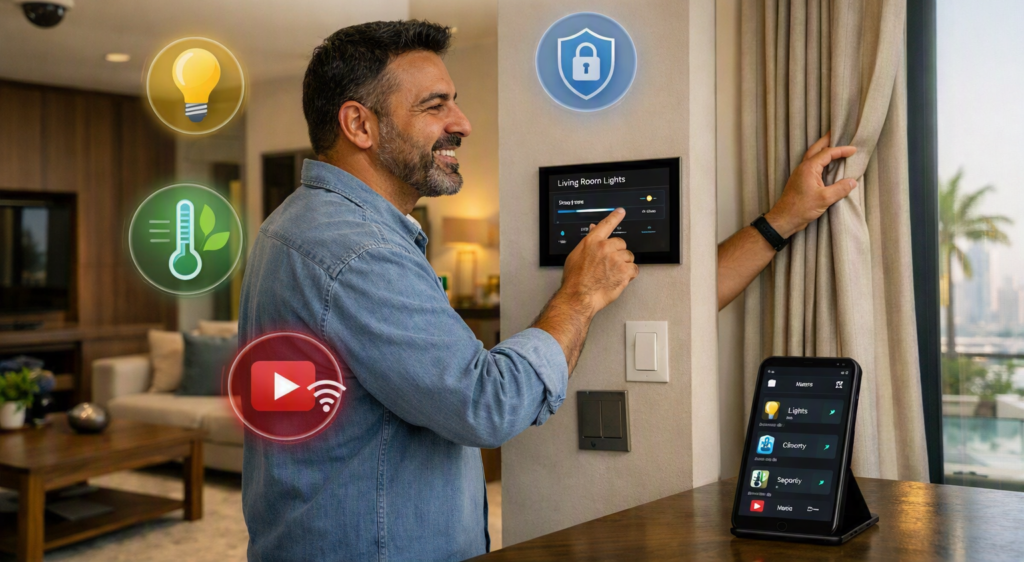
Planning a smart home requires some thought before choosing devices or setting up a system. Automation companies in Dubai often work with different types of homes, but the basic planning points remain similar. Understanding your needs, home layout, budget, devices, and future plans can help you create a system that is practical and easy to use.
Start With Your Main Needs
The first step is to decide what you want the automation system to do. Some homeowners may want better lighting control, while others may focus on security, climate control, entertainment, or energy use.
Make a simple list of daily tasks you would like to control automatically. For example, you may want lights to turn off when you leave a room or curtains to open at a set time. Clear goals make it easier to decide which devices are useful.
Consider the Size and Layout of Your Home
Every home has a different layout. The number of rooms, walls, doors, windows, and floors can affect how an automation system works.
Before installation, look at where devices will be placed and how they will communicate with each other. A larger home may need additional network equipment or different connection methods. Planning this early can help avoid problems later.
Set a Realistic Budget
Home automation can range from a small setup with a few smart devices to a complete system covering many areas of a home. Setting a budget helps you decide which features should be installed first.
It is useful to separate essential features from optional ones. Lighting, security, and temperature control may be more important than features that are used only occasionally. A planned budget also leaves room for future additions.
Check Device Compatibility
Not every smart device works with every control system. Before buying equipment, check whether the devices can communicate with each other and whether they support the same control platform.
Compatibility is especially important when combining products from different manufacturers. Choosing compatible devices can make everyday control simpler and reduce technical problems.
Think About Internet and Network Requirements
Many smart home devices depend on a reliable network. Cameras, smart locks, sensors, speakers, and other connected equipment may need a stable connection to work properly.
Check your Wi-Fi coverage in all areas where devices will be installed. Larger homes may require additional network equipment. A strong and well-planned network can support smoother communication between connected devices.
Plan Wiring Before Installation
Some automation devices can work wirelessly, while others may need wired connections. This is an important point to consider during home construction or renovation.
Planning wiring in advance can make installation cleaner and reduce the need for changes later. It is also helpful to consider power points, network cables, and locations for control panels and other equipment.
Consider Security and Privacy
Connected devices can collect or transmit information, so security should be part of the planning process. Use strong passwords and keep device software updated.
For security cameras and smart locks, think carefully about where the devices will be placed and who can access them. Access should be limited to trusted users, and account settings should be reviewed regularly.
Keep Daily Use Simple
A smart home should not be difficult to operate. If controlling basic functions requires too many steps, the system may become inconvenient.
Think about how different family members will use the system. Simple controls, clear labels, and useful automatic settings can make the technology easier for everyone.
Plan for Future Changes
Your home automation needs may change over time. You may later want to add more lights, cameras, sensors, speakers, or climate controls.
Choosing a system that can support future additions can prevent the need to replace the entire setup. Leave enough network capacity and suitable connection points for possible upgrades.
Check Maintenance Requirements
Smart devices need occasional updates, cleaning, battery replacement, or technical checks. Some sensors may use batteries, while other equipment may need software updates.
Before selecting devices, understand their basic maintenance needs. Keeping a record of installed devices can also make future troubleshooting easier.
Think About Energy Use
Automation can help manage how different systems are used throughout the home. Timers, motion sensors, and automatic controls can reduce unnecessary use of lights or other equipment.
For example, lights can be set to switch off when a room is empty. Temperature controls can also be adjusted based on schedules or occupancy. These small changes can make everyday energy use easier to manage.
Make a Simple Plan Before Buying Devices
Avoid buying smart devices without first deciding how they will work together. Create a basic room-by-room plan showing the devices you need, where they will be installed, and how they will be controlled.
This approach makes it easier to compare options and avoid unnecessary equipment. It also gives installers a clearer understanding of the planned setup.
Careful planning can make a home automation project easier to manage and use. By considering your needs, home layout, budget, compatibility, network, security, wiring, and future requirements, you can build a system that fits your home without making it unnecessarily complicated. These points are also useful when comparing Automation companies in Dubai and understanding how different home automation approaches may suit your requirements.